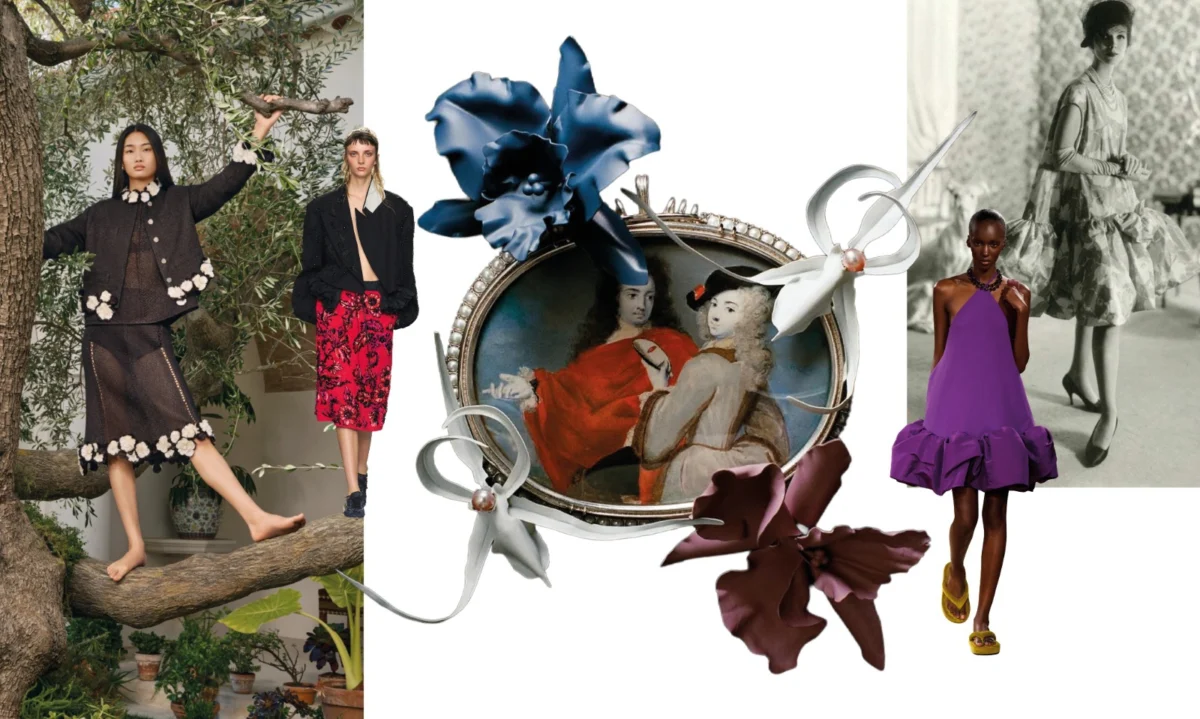
In the high-stakes landscape of contemporary fashion, a persistent thread has emerged across the global runways of Paris, Milan, and New York: the profound influence of nostalgia. Leading luxury fashion houses are no longer merely looking toward an abstract future; instead, they are looking backward, meticulously excavating their archives, curating their histories, and transforming legacy into something that feels both avant-garde and deeply rooted. This shift marks a departure from the "innovation at all costs" mentality of the early 2000s, moving toward a philosophy where the past is not a weight, but a springboard for modern relevance.
Archives have evolved far beyond the status of dusty documents stored in climate-controlled basements. They have been reimagined as living references—dynamic bridges that connect the historical weight of a brand with the demands of the modern consumer. By blending the aesthetic markers of the past with contemporary technology and social sensibilities, designers are creating a "palimpsest" of style, where the traces of the original creators remain visible beneath the layers of new interpretation.
The New Guard and the Language of the Archive
The recent wave of creative director appointments has signaled a new era of archival reverence. When a new designer takes the helm of a heritage house, the primary challenge is no longer just to create "new" clothes, but to translate the brand’s established DNA into a vernacular that resonates with today’s global audience.
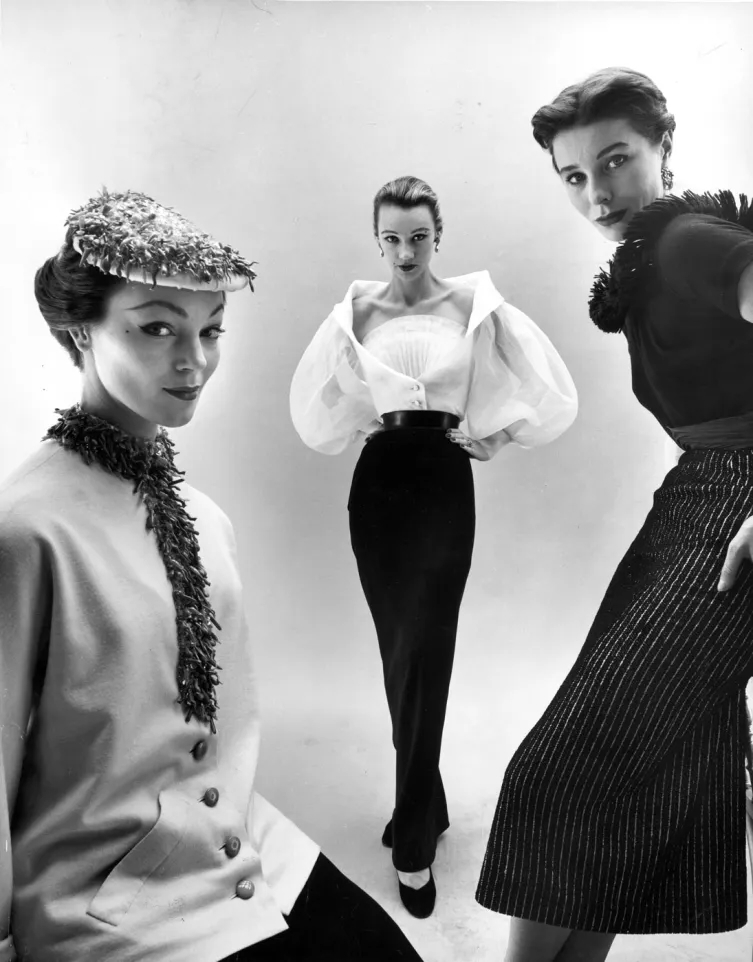
At Givenchy, the appointment of Sarah Burton has ushered in a period of "aristocratic humanism." Burton, known for her masterful tenure at Alexander McQueen, has applied her signature precision in tailoring to the Givenchy archives. Her approach does not merely replicate the mid-century silhouettes of Hubert de Givenchy; rather, she interprets his classic elegance through a lens that is more emotional and human. By softening the rigid structures of 1950s couture and imbuing them with a modern sense of movement, Burton bridges the gap between the house’s aristocratic origins and the lived experience of the modern woman. This "humanizing" of the archive is a strategic move, making high-luxury items feel accessible and wearable without sacrificing their prestige.
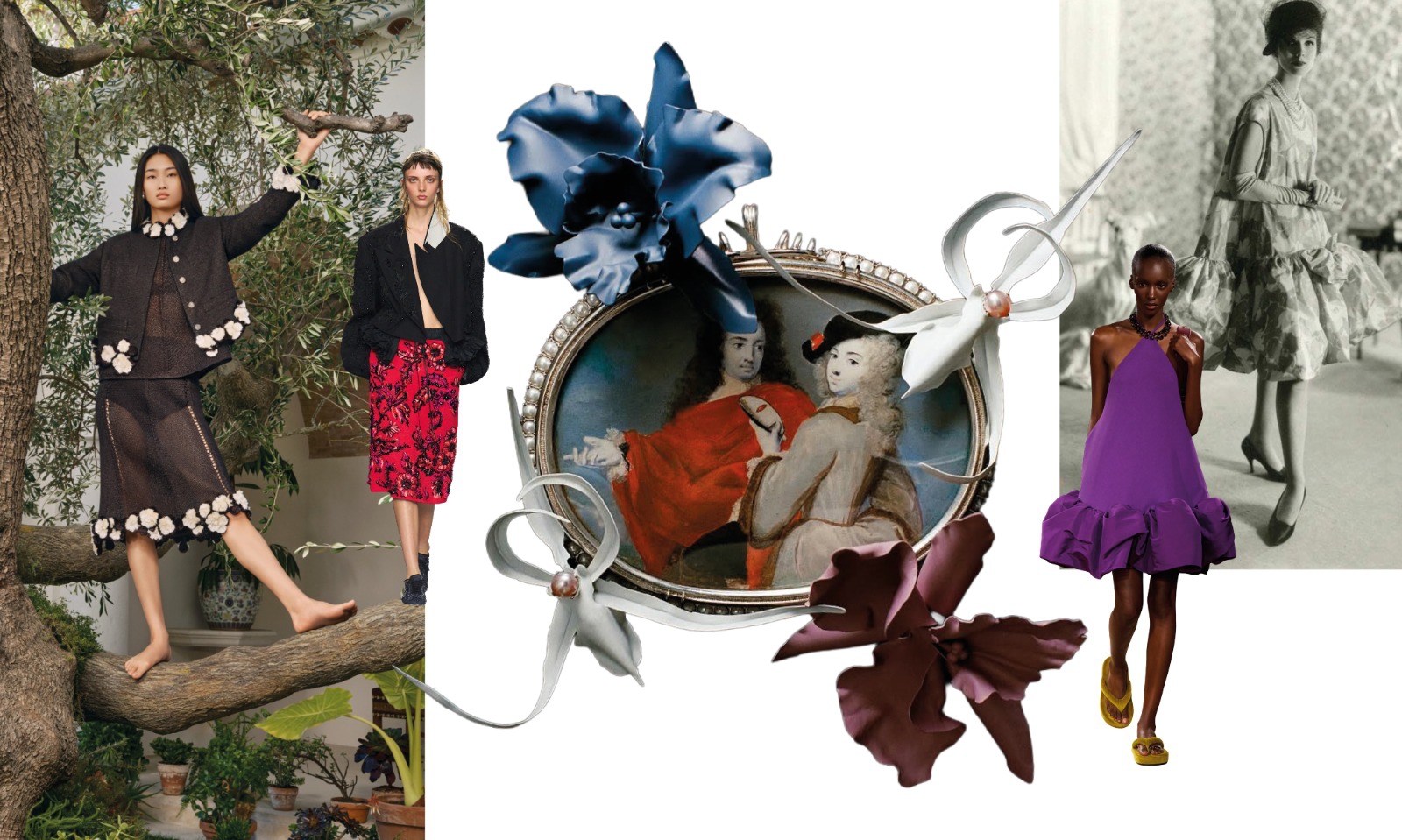
Similarly, at the house of Dries Van Noten, the transition to Julian Klausner’s creative leadership has been defined by a poetic exploration of the past. Klausner has utilized nostalgia as a tool for storytelling, focusing on the intricate interplay of textiles and motifs that have defined the Belgian brand for decades. By layering historical patterns and experimenting with complex fabrications, Klausner creates a visual narrative that feels timeless. This approach suggests that fashion does not need to be "of the moment" to be relevant; instead, it can exist in a space that transcends specific eras, appealing to a consumer base that values craftsmanship over fleeting trends.
Reinterpreting Iconic Silhouettes for a Modern Audience
One of the most significant challenges in archival design is the reinterpretation of "The New Look"—the revolutionary silhouette introduced by Christian Dior in 1947. In the contemporary context, Jonathan Anderson’s work for Dior (as seen in recent experimental cycles) has focused on making this historically restrictive structure more inclusive and flexible. The original New Look was defined by a cinched waist and voluminous skirts, symbolizing a return to feminine opulence after the austerity of World War II. However, in the 2020s, the "New Look" must accommodate the rhythm of modern life. Anderson’s interpretation focuses on structural fluidity, using modern textiles to create the illusion of the classic Dior shape while providing the comfort and adaptability required by today’s diverse consumer base.
This evolution is mirrored at Chanel, where Matthieu Blazy has taken on the task of maintaining the vision of Gabrielle "Coco" Chanel for the Cruise 2026/2027 collections. Blazy’s strategy is one of fierce loyalty to the brand’s core symbols: the tweed jacket, the camellia, and the gold chain. However, his "modern vision" lies in the subtle recalibration of these icons. By adjusting proportions and integrating sustainable material innovations, Blazy ensures that Chanel’s visual codes remain dominant in an era that increasingly demands both heritage and corporate responsibility.
The Cultural Anchor: Versace and the Italian Identity
In Milan, Dario Vitale’s work for Versace demonstrates how archives can be used to anchor a brand in its cultural roots. Versace has always been synonymous with a specific brand of Italian glamour—bold, provocative, and deeply tied to the Mediterranean aesthetic. Vitale has delved into the house’s archives to reclaim these cultural markers, but he has stripped away the excess of the 1990s to reveal a cleaner, more modern core.
By rooting the collection in the "Italianity" of the brand—focusing on craftsmanship and the specific light and color of the Italian landscape—Vitale creates a sense of authenticity that is difficult to replicate. This strategy responds to a growing consumer desire for "provenance." In a saturated market, shoppers are looking for brands that have a clear sense of place and history. The archive provides the evidence of that history, acting as a seal of quality and cultural significance.
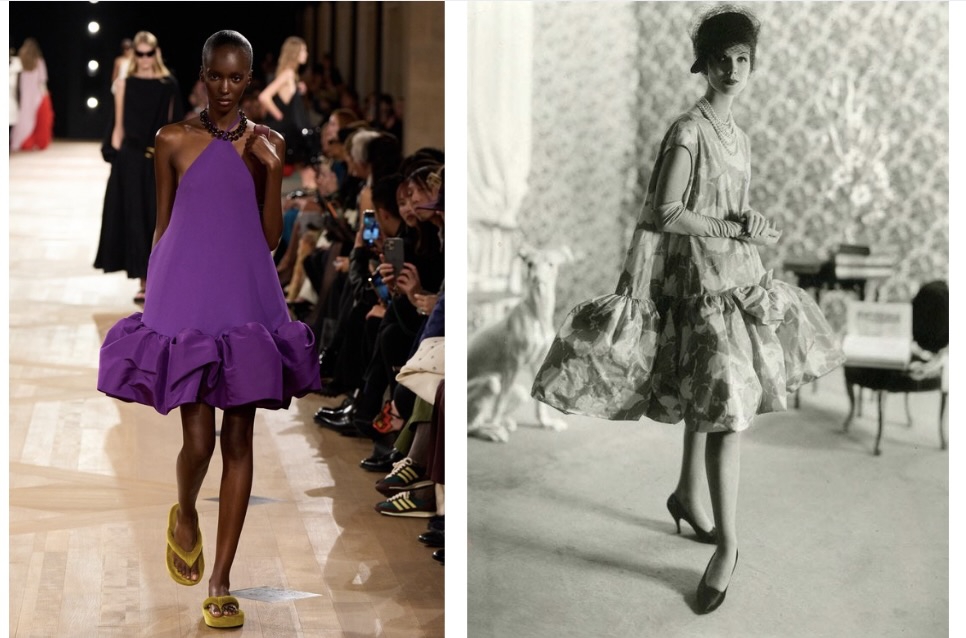
The Economic and Conceptual Logic of Nostalgia
The industry’s turn toward the archive is not merely an aesthetic choice; it is a pragmatic response to the blistering speed of the fashion cycle. With the rise of "ultra-fast fashion" and the constant pressure of social media trends, luxury designers find themselves in a race they cannot win through sheer volume of "newness."
By utilizing archives, designers adopt a more sustainable conceptual approach. Instead of starting from scratch every season, they build upon an existing foundation. This method offers several strategic advantages:
- Brand Equity Preservation: Consistently referencing archival codes strengthens the brand’s identity, making it instantly recognizable in a crowded market.
- Sustainability: Focusing on "timeless" archival pieces encourages a move away from disposable fashion, aligning luxury houses with the growing "slow fashion" movement.
- Consumer Trust: For the luxury consumer, a purchase is often an investment. Pieces that are rooted in history are perceived to have a higher long-term value than those based on fleeting seasonal fads.
The concept of the palimpsest—a parchment on which later writing has been superimposed on effaced earlier writing—is the perfect metaphor for this movement. In modern fashion, the "earlier writing" of the founding couturiers is never fully erased. It remains a ghost-like presence beneath the work of the current creative director, providing a depth and richness that purely "new" designs often lack.
Analysis of Implications: Can History Sustain the Future?
The central question remains: can a brand’s history truly be translated into a vision that is entirely new, or will it eventually lose its context? The success of designers like Burton, Klausner, and Blazy suggests that the archive is a renewable resource. However, the risk of "stagnation through nostalgia" is real. If a designer relies too heavily on the past without adding a significant modern perspective, the brand risks becoming a museum piece—admired but no longer worn.
The data suggests that the "archival" approach is currently winning the market. According to recent luxury market reports, "heritage" brands—those that successfully market their history alongside modern innovation—have seen a 15-20% higher retention rate among Gen Z and Millennial consumers compared to brands that lack a clear historical narrative. These younger demographics are particularly drawn to "archival" fashion, often seeking out vintage pieces that mirror the designs they see on current runways.
Conclusion: The Enduring Power of the Retrospective
Fashion is not just about innovation for the sake of change. As the industry moves further into the 21st century, it is becoming clear that the most effective way to move forward is often to look back. The history of a fashion house is not a static record of what has been done; it is a living, breathing set of possibilities that can be reimagined for every new generation.
The "Back to the Future" phenomenon in fashion proves that history never truly goes out of style. It merely waits for the right hands to reshape it. As long as designers continue to treat the archive as a playground for experimentation rather than a sacred tomb, the dialogue between the past and the present will continue to produce the most compelling and enduring style of our time. In the world of high fashion, the past is not behind us—it is the very fabric from which the future is being cut.