The secondary automotive market in Indonesia is undergoing a significant transformation, shifting from a price-sensitive landscape to one increasingly defined by consumer trust, transparency, and long-term relationships between buyers and dealerships. While the allure of lower entry costs compared to brand-new vehicles remains the primary driver for many, industry data suggests that the decision-making process for modern buyers has become considerably more nuanced. Factors such as the physical condition of the vehicle, alignment with specific lifestyle requirements, and, most importantly, the reputation of the seller have overtaken mere affordability as the primary determinants for purchasing pre-owned automobiles.
The Evolution of the Pre-Owned Car Industry
Historically, the used car market in Indonesia was often perceived as a "caveat emptor" or "buyer beware" environment. Prospective owners were frequently wary of hidden defects, tampered odometers, or opaque legal documentation. However, the maturation of the market—fueled by the rise of professional dealerships and digital transparency—has forced a paradigm shift.
In 2026, the industry is seeing a consolidation of trust. Dealerships that offer comprehensive vehicle history reports, certified inspections, and post-purchase warranties are reporting higher customer retention rates than those competing solely on price. This trend mirrors global automotive patterns, where the "trust economy" has become a competitive advantage. When a consumer walks onto a lot, they are no longer just looking for a car; they are looking for a risk-mitigation strategy.
Case Study: Loyalty in the Secondary Market
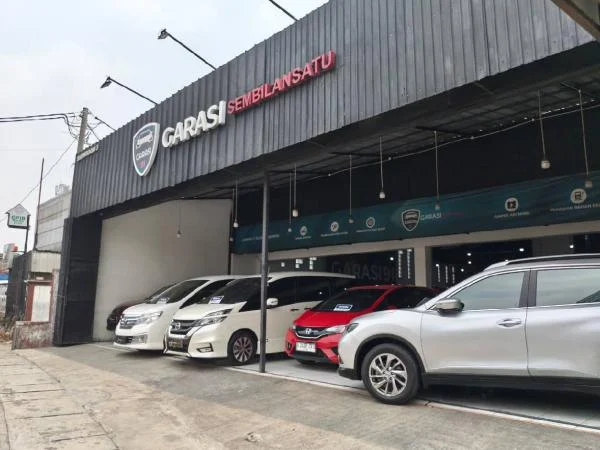
The experience of Retno Ayu, a long-term consumer of the dealership Garasi 91, serves as a quintessential example of this shift. Since 2017, Ayu has returned to the same dealer six times to purchase vehicles. Her decision to return was not dictated by a single discount or a temporary promotion, but by a track record of reliability and professional conduct established over nearly a decade.
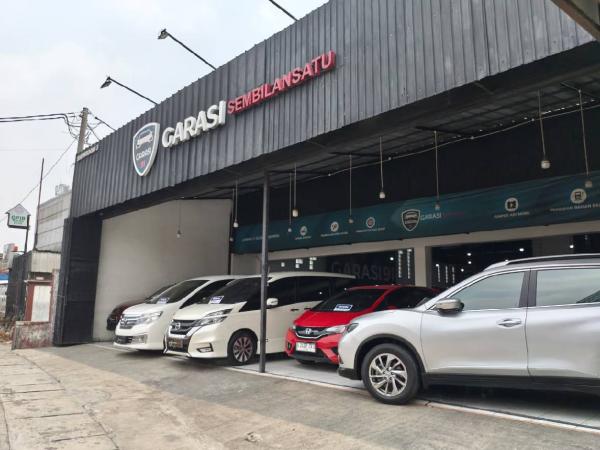
"I have purchased six vehicles from Garasi 91 since 2017," Ayu noted during the recent ‘Ngopi Asik Bareng Garasi 91’ event. "Returning to the same place is an easy decision because I have built a foundation of trust and have consistently positive experiences from my previous transactions."
This level of customer loyalty is the gold standard for modern dealerships. It suggests that once a seller removes the "fear factor" associated with used goods, the buyer becomes a recurring revenue source, effectively reducing the dealership’s customer acquisition costs and stabilizing its long-term business model.
Market Dynamics and Economic Context
The used car sector does not operate in a vacuum. It is heavily influenced by the performance of the new car market. According to industry reports from August 2026, total new vehicle sales in Indonesia reached approximately 599,000 units. This volume creates a steady pipeline of trade-ins and secondary market inventory.
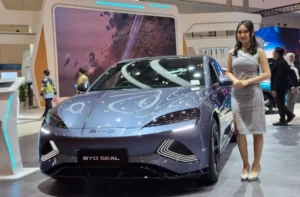
Furthermore, the rising interest in electric vehicles (EVs) is beginning to impact the secondary market. As manufacturers like Changan scale up the delivery of models such as the Nevo Q05, the used market is forced to adapt to a new category of assets. The influx of EVs into the secondary market introduces new variables: battery health, charging infrastructure compatibility, and software updates. Dealers who can confidently navigate these technical aspects are likely to gain a significant share of the market, as consumers remain apprehensive about the longevity of used battery-electric vehicle technology.
The Anatomy of a Successful Transaction
For consumers, the decision to purchase a pre-owned vehicle involves a complex mental checklist. Market analysts point to four pillars that define a successful dealership experience today:

- Verification and Certification: Third-party inspections are no longer optional. Buyers prioritize vehicles that come with detailed documentation regarding accident history, flood damage, and service logs.
- Price-to-Value Ratio: While lower than new cars, the price must reflect the current market conditions. Overpriced used cars are increasingly ignored by savvy, research-driven buyers who have access to real-time market data through online aggregators.
- Post-Purchase Support: The presence of a warranty or a clear return policy is the most effective way for a dealer to signal confidence in their inventory.
- Relationship Capital: As evidenced by the Garasi 91 case, personal interactions and professional engagement build a "relationship capital" that prevents the buyer from shopping around at competitors.
Implications for the Automotive Industry
The transition toward trust-based purchasing has profound implications for the industry at large. First, it forces smaller, less transparent dealers to professionalize or exit the market. As consumers become more sophisticated, the "grey market" of individual sellers and unreliable small-scale dealers is being squeezed by organized entities that offer better consumer protections.
Second, the secondary market is becoming a critical component of the national economic landscape. By facilitating the movement of vehicles from high-income to middle-income tiers, the used car market acts as a catalyst for upward mobility and mobility access. When a reliable, used car is sold, it often represents a first-time vehicle purchase for a young professional or a family looking to improve their transportation logistics.
Third, the environmental impact of a healthy secondary market cannot be overstated. By extending the lifecycle of a vehicle, the industry inherently reduces the carbon footprint associated with the manufacturing of new steel, aluminum, and plastics. Every car kept on the road for an extra three to five years through responsible maintenance is a contribution to a more sustainable automotive lifecycle.
A Look Ahead
As we move toward the final quarter of 2026, the intersection of technology and consumer behavior will continue to dictate the health of the automotive sector. Digital platforms that allow for virtual walk-throughs, transparent service records, and real-time financing approvals are becoming the baseline.
However, as the case of Retno Ayu illustrates, technology is merely the facilitator; human trust remains the closer. Whether it is a traditional internal combustion engine vehicle or an emerging electric model, the consumer’s primary question remains: "Is this purchase safe for my finances and my family?"

Dealerships that can answer this question with consistency, transparency, and a commitment to long-term service will be the ones that thrive. The era of the "transactional sale" is slowly being replaced by the "relational sale," a shift that promises a more stable, honest, and efficient automotive market for all stakeholders involved.
In conclusion, while the price gap between new and used cars remains the initial hook for the average buyer, the sustainability of the pre-owned market in Indonesia is firmly rooted in the credibility of the seller. By fostering environments where buyers feel secure—such as the one demonstrated at Garasi 91—the industry is not only selling cars but is building a culture of reliability that supports the broader economic and social mobility of the nation. As the market continues to evolve, the focus will undoubtedly remain on reducing friction and maximizing the long-term utility of every vehicle sold, ensuring that trust remains the primary currency of the road.