
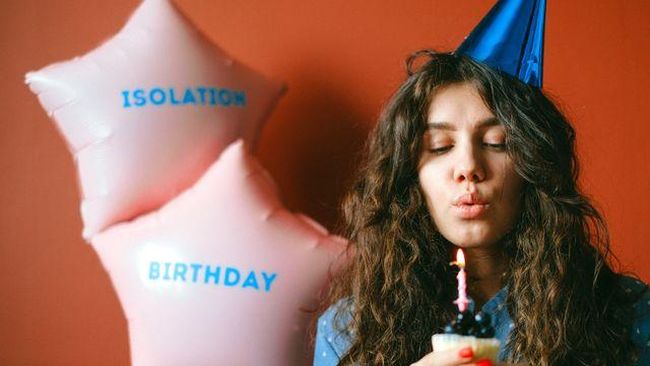
In modern society, birthdays are culturally codified as high-stakes social events characterized by extravagant gatherings, public acknowledgments, and collective celebration. However, a growing demographic of individuals is choosing to diverge from these societal expectations, opting instead to spend their birthdays in solitude. This departure from the traditional celebratory model is frequently misinterpreted by peers and family as a sign of social isolation or loneliness. Conversely, psychological analysis suggests that for many, the preference for solitude on one’s birthday is a deliberate, proactive choice rooted in personality traits that prioritize internal reflection and emotional regulation over external validation.
The Shift in Celebratory Paradigms
Historically, the celebration of a birthday served as a communal ritual intended to solidify social bonds and reinforce group identity. In the contemporary era, the proliferation of digital social platforms has further intensified this, with "birthday notifications" creating a performance-based expectation for public interaction. According to data from recent sociological surveys on social habits, approximately 20% to 25% of adults in urban settings report a preference for low-key or solo birthday observances, citing "social burnout" and "the need for authentic personal time" as primary motivators.
This shift does not necessarily indicate a lack of interpersonal connections. Rather, it represents a recalibration of how individuals derive meaning from life milestones. By stripping away the logistical complexities of event planning, catering, and social performance, these individuals claim the autonomy to curate their own environment, thereby transforming a social obligation into a day of genuine rest and introspection.

Defining the Solitary Birthday Profile: Key Characteristics
Psychologists and behavioral experts have identified several consistent personality indicators among those who gravitate toward solitary birthday celebrations. These traits are not indicative of antisocial behavior but rather reflect a distinct approach to self-care and mental health.
1. Prioritization of Meaningful Experiences over Social Performance
Individuals who prefer solitude often evaluate the value of their time based on the "depth of experience" rather than the "breadth of social engagement." For these individuals, the effort required to coordinate a group gathering—managing expectations, navigating schedules, and engaging in performative social rituals—frequently diminishes the intrinsic joy of the day. Instead, they opt for activities that align with their personal values, such as solitary travel, intellectual pursuits, or creative hobbies. This shift from social obligation to personal enrichment is a hallmark of individuals who derive higher satisfaction from autonomy.
2. Self-Sufficiency and Emotional Regulation
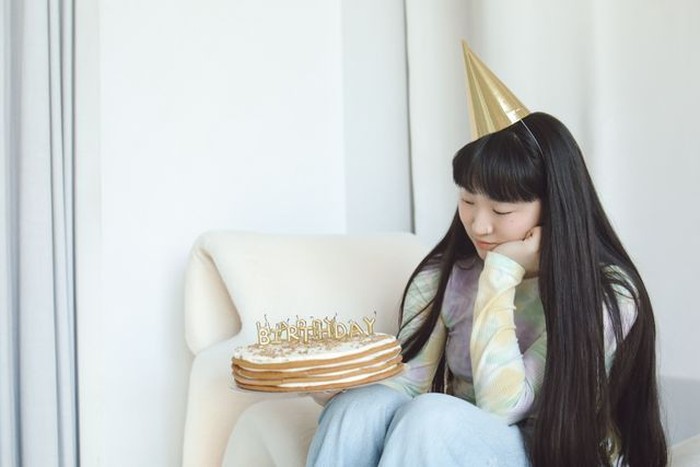
The ability to enjoy one’s own company—a state often referred to as "positive solitude"—is a significant psychological marker. Individuals who feel comfortable being alone on their birthday demonstrate a high level of emotional self-regulation. They do not require external stimuli to confirm their worth or to validate the significance of the day. This comfort with oneself allows for a more profound engagement with one’s own inner life, providing the mental space to evaluate personal growth and set intentions for the upcoming year.
3. The Need for Cognitive and Sensory Recovery
For those in high-stress professions or those who spend their daily lives in highly social environments, the birthday often becomes a designated day for recovery. The concept of "social energy depletion" is well-documented in occupational psychology. After months of navigating collaborative work environments, meetings, and networking, a birthday can act as a circuit-breaker. By choosing to withdraw from social obligations, these individuals are essentially performing a form of mental triage, allowing their cognitive resources to replenish in a quiet, controlled environment.
4. Rejection of Extraneous Social Standards
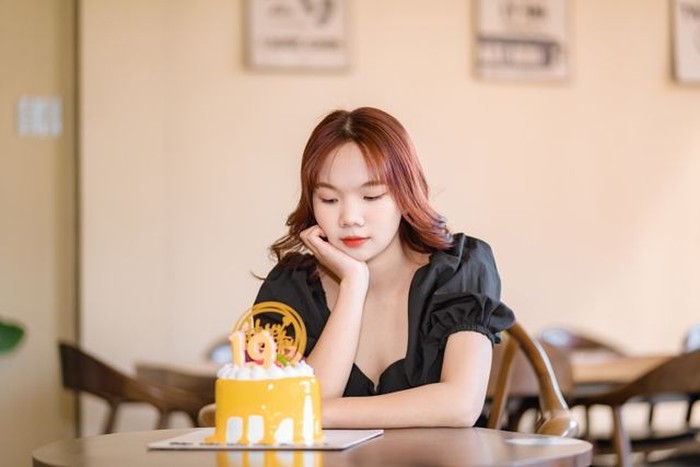
There is a prevailing cultural narrative that equates the number of attendees at a celebration with the popularity or "success" of the individual. Those who choose to spend their birthdays alone are effectively opting out of this measurement. By rejecting the necessity of an audience, they regain control over the narrative of their life. This is not a rejection of their friends or family, but a rejection of the "performative nature" of modern celebrations. They prefer to acknowledge their birthday through private rituals, such as cooking a specific meal or visiting a place of personal significance, which provides a level of satisfaction that group celebrations often fail to offer.
Chronology of Intent: The Evolution of Birthday Rituals
The transition from a communal birthday to a solitary one often follows a predictable progression. In early life, the social pressure to conform to birthday norms is strongest. As individuals enter adulthood, they often find that the labor involved in organizing a "perfect" celebration exceeds the emotional return.
- Phase One (Expectation): Early adulthood, where social capital is often tied to group visibility.
- Phase Two (The Realization): Mid-20s to early 30s, where the realization of professional burnout or social exhaustion leads to a reassessment of personal boundaries.
- Phase Three (The Refinement): Establishing personal rituals that replace the need for external validation, leading to the intentional choice of solitude.
This trajectory suggests that the preference for a solo birthday is often a sign of maturity, indicating that the individual has successfully transitioned from seeking external approval to cultivating internal stability.
Expert Perspectives and Behavioral Implications
Mental health professionals note that while solitude is beneficial, it is essential to distinguish between "intentional solitude" and "avoidant behavior." Dr. Helena Vance, a consultant in behavioral wellness, states: "When a person chooses solitude to engage in meaningful reflection or necessary rest, it is an act of self-preservation. However, if the avoidance of social interaction stems from fear of judgment or severe social anxiety, it may require professional attention. The key is in the agency of the individual—is the solitude a result of a desire for peace, or a result of a struggle to connect?"
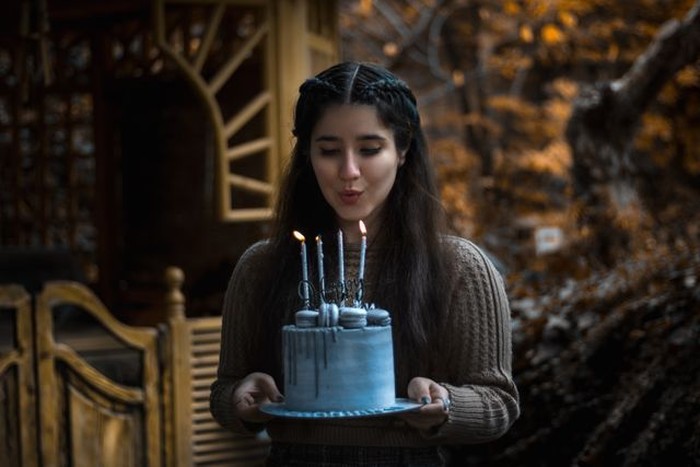
The implications of this trend are significant for how we structure our social contracts. As more people value individual agency over collective tradition, there is a broadening of the definition of what constitutes a "successful" life milestone. Organizations and social groups are beginning to recognize that "mandatory fun" or forced social interaction during personal milestones can be counterproductive to the well-being of their members.
The Broader Impact on Social Dynamics
The trend of solitary birthdays reflects a larger societal shift toward individualism and the prioritization of mental health. It challenges the conventional view that social presence is the only metric of a life well-lived. By choosing to spend their birthday in solitude, individuals are effectively setting a boundary that dictates their worth is not contingent upon their ability to perform for others.
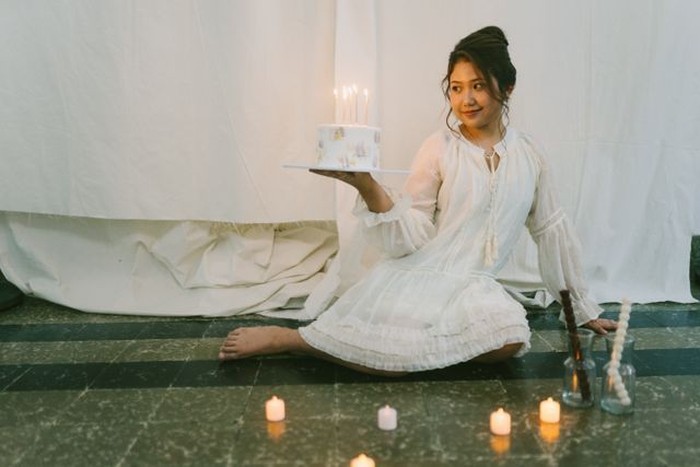
Furthermore, this practice fosters a culture of respect for boundaries. When individuals communicate their preference for a quiet birthday, they are establishing an important precedent for their personal relationships. This honesty allows friends and family to express affection in ways that are actually desired, such as sending a thoughtful note or a small, meaningful gift, rather than forcing the individual into a social environment that may cause them discomfort.
Ultimately, the choice to spend a birthday alone is a testament to the individual’s comfort with their own identity. It is an acknowledgment that the most important relationship one will ever have is the one they have with themselves. Whether one chooses to celebrate with a crowd or in quiet contemplation, the validity of the birthday remains intact. The shift toward solitary celebration is not an indication of a social crisis, but rather a sign of an evolving, more nuanced understanding of personal happiness in a complex, high-pressure world. By embracing this choice, individuals are not just celebrating another year of life; they are celebrating their autonomy, their self-awareness, and their capacity to find peace on their own terms.