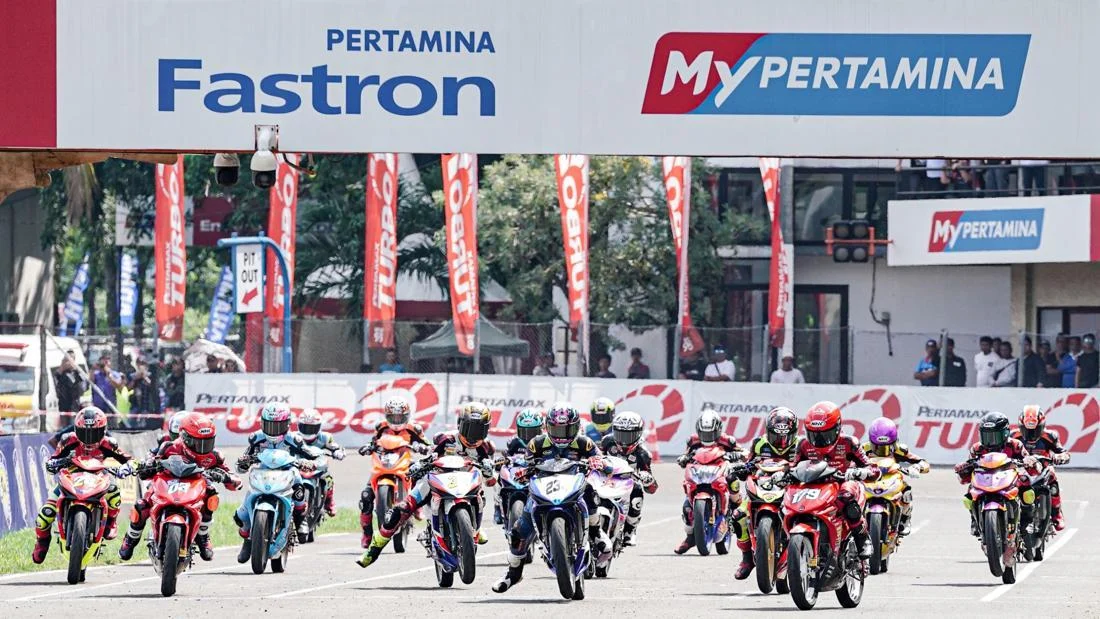
The curtains have officially closed on the 2026 Pertamax Turbo MotoPrix season, marking a significant milestone for Indonesia’s domestic motorcycle racing scene. Held at the Sentul International Karting Circuit in Bogor, West Java, on November 21–22, the Grand Final served as the ultimate proving ground for the country’s most promising riders. As the pinnacle of the national championship, the event underscored the synergy between high-performance automotive technology and athletic ambition, solidifying its status as a vital incubator for international-caliber talent.
The competition, supported by PT Pertamina Patra Niaga through its flagship fuel product, Pertamax Turbo, drew top-tier riders from across the Indonesian archipelago. By providing an official fuel partnership, the organization aimed to ensure technical consistency across all competing machines, thereby allowing rider skill to remain the primary variable in determining the championship outcomes.
A Crucible for Racing Excellence
The Pertamax Turbo MotoPrix 2026 was not merely a series of races but a structured developmental program designed to elevate the standards of local motorsport. The championship featured a diverse array of classes, ranging from entry-level categories to highly technical professional divisions. These included the Moto Mini and Pocket Bike classes—essential for nurturing young riders—as well as the competitive Bebek 4T TU 150cc Expert, Novice, and Beginner classes. Additionally, the inclusion of the Matic class provided a platform for specialized motorcycle configurations, reflecting the diverse landscape of the Indonesian motorcycle market.
The competition trajectory spanned several months, starting with regional qualifying rounds that tested participants on various track layouts, climatic conditions, and mechanical setups. This progression culminated in the two-day Grand Final in Bogor, where only the most consistent performers were crowned national champions.
Chronology of the 2026 Season
The 2026 season was marked by rigorous technical scrutiny and high-stakes racing. The calendar, which traversed multiple major cities, was designed to test the endurance and adaptability of the riders.
- Early Season (Q1-Q2): The regional qualifying series established the base performance metrics for riders across Sumatra, Java, and Kalimantan. During this phase, technical teams worked closely with fuel partners to calibrate engines for optimal output using Pertamax Turbo.
- Mid-Season (Q3): As the competition intensified, the focus shifted to technical consistency. Mechanical failures, a common hurdle in high-revving racing engines, were monitored, with data suggesting that the fuel’s high octane rating contributed to reduced engine detonation and thermal stability.
- The Grand Final (November 21–22): The final showdown at Sentul featured a high-pressure environment. With national titles on the line, the final day saw intense maneuvering in the Expert and Matic categories, ultimately crowning seven general champions across the various designated classes.
The Human Element: Perspectives from the Podium
The success of the championship was best exemplified by the riders who navigated the technical challenges of the circuit. Mochamad Arkana Ardin Kurniawan, the champion of the Bebek 150cc class, highlighted the importance of fuel reliability in a sport where millisecond differences determine the victor.
"Securing the top spot on the podium is the culmination of months of preparation," Ardin noted. "In a race where the engine is pushed to its absolute limit, the reliability of the fuel is non-negotiable. Pertamax Turbo provided the necessary acceleration out of the corners, which was critical for maintaining my lead during the final laps."
Similarly, Eca Sabana, who clinched the title in the Matic Women’s category, emphasized the technical stability provided by the fuel. "Professional racing is a battle of consistency. Engine stuttering or power loss due to low-quality fuel can ruin a season’s work. Throughout this year’s series, the performance was remarkably stable, which allowed me to focus entirely on my racing lines and tactical overtakes," Sabana said.
Corporate Strategy and Motorsport Ecosystems
PT Pertamina Patra Niaga’s involvement in the MotoPrix extends beyond mere branding. As the Director of Retail Marketing, Eko Ricky Susanto, explained, the partnership is a strategic commitment to the growth of the national sports economy.
"Our involvement in the Grand Final is a manifestation of our commitment to building a sustainable motorsport ecosystem in Indonesia," Susanto stated. "By serving as the official fuel partner, we ensure that every rider—from the beginner level to the expert—has access to high-grade fuel that meets international standards. This creates a level playing field and allows the true potential of our local talents to shine."
The company’s data suggests that providing a standardized fuel source helps teams lower their research and development costs related to engine mapping, as they can rely on a consistent chemical composition across all race venues. This creates a more accessible environment for smaller teams, which is essential for the democratization of motorsport in the region.
The Broader Implications for Indonesian Motorsport
The success of the 2026 MotoPrix serves as a barometer for the health of Indonesia’s racing industry. Historically, local riders have struggled to transition into international competitions such as the Asia Road Racing Championship (ARRC) or the FIM World Championship series due to gaps in early-career technical training and exposure to high-level competition environments.
By standardizing the championship and providing institutional support, the MotoPrix acts as a bridge. The implications of this are three-fold:
- Technical Standardization: By mandating high-performance fuel, organizers are forcing teams to adopt more sophisticated tuning methodologies, which elevates the technical literacy of Indonesian mechanics and crew chiefs.
- Professionalization: The structured nature of the championship, complete with rigorous officiating and clear class hierarchies, mimics the professional environment found in Europe and Japan, preparing riders for the psychological demands of international racing.
- Economic Growth: The motorsport industry is a significant driver of local economic activity. From specialized tuning shops to racing apparel manufacturers, the success of a national championship creates a ripple effect, fostering innovation and job creation within the automotive sector.
Looking Toward 2027 and Beyond
As the 2026 season concludes, the focus now turns to the future. With a new cohort of champions emerging, the goal for stakeholders is to provide these winners with pathways to international entry. Industry experts suggest that the next phase of development should involve stronger ties with international racing bodies, potentially leveraging the success of the MotoPrix to secure wild-card slots for top riders in regional championships.
The consensus among stakeholders is that the "Grand Final" was not an end, but a catalyst. The success of the event has solidified the Sentul International Karting Circuit’s position as the heart of national motorcycle racing and has validated the strategy of integrating corporate sponsorship with athletic development.
For the young riders currently in the Pocket Bike and Beginner classes, the 2026 season provided a glimpse of what is possible. With continued support, the current generation of Indonesian riders is well-positioned to break into the global stage, turning the "Pertamax Turbo" branding into a symbol of regional racing supremacy.
As the final engines cooled at the Sentul circuit, the message from the organizing committee was clear: the foundation is set, the talent is present, and the roadmap for future success has been firmly established. The challenge now lies in maintaining this momentum and ensuring that the transition from a local champion to a global contender is supported by an equally robust infrastructure. The 2026 Pertamax Turbo MotoPrix will likely be remembered as the year that Indonesian motorcycle racing stopped merely participating in the sport and began actively shaping its own competitive destiny.