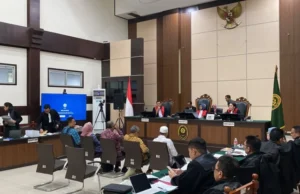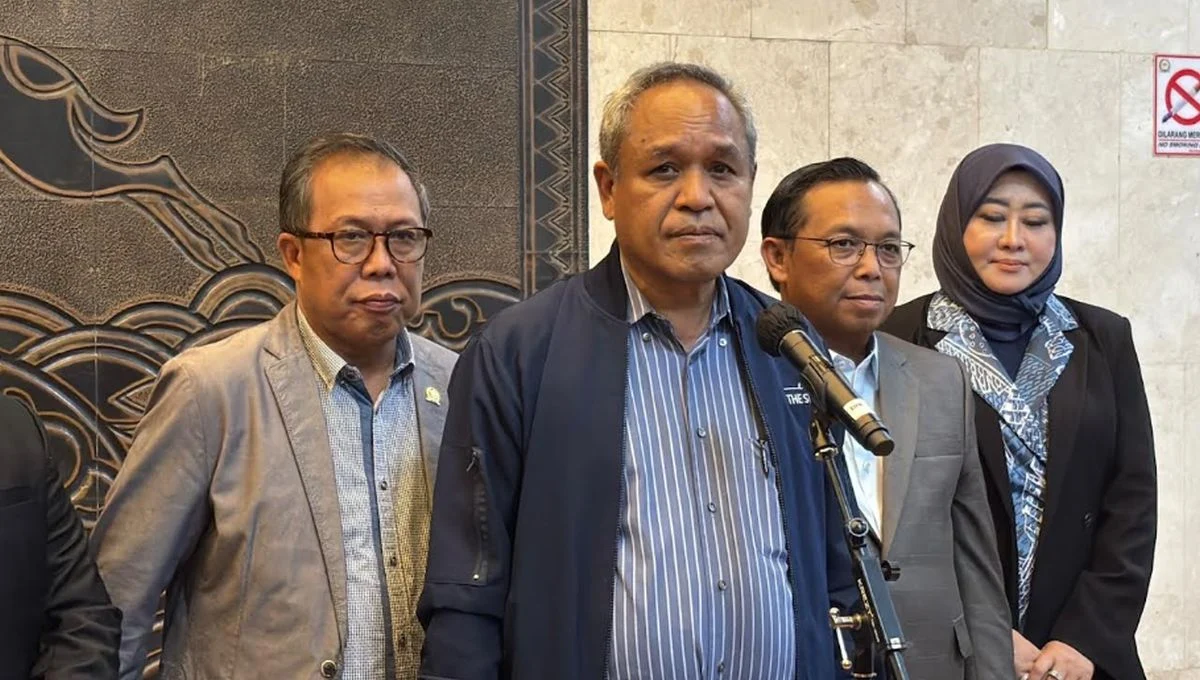
The political landscape in Indonesia has entered a period of heightened scrutiny following the formal activation of the Panitia Ad Hoc (PAH) or Ad Hoc Committee by the People’s Consultative Assembly (MPR RI). This specialized body has been tasked with navigating the constitutional complexities surrounding the vacancy in the Office of the Vice President of the Republic of Indonesia. The position became vacant on November 12, 2026, following the unexpected resignation of Gibran Rakabuming Raka. As the nation watches, the MPR’s deployment of this temporary committee underscores the gravity of the constitutional vacuum and the legal procedural requirements necessary to ensure executive continuity.
Understanding the Ad Hoc Mechanism
In administrative and legal parlance, the term "Ad Hoc" originates from Latin, translating literally to "for this" or "for this purpose." In the context of Indonesian governance, an Ad Hoc body is a temporary entity established to address a specific, often urgent, mandate that falls outside the scope of permanent bureaucratic or legislative structures. Unlike standing committees, which have continuous oversight duties, an Ad Hoc committee is dissolved once its primary objective—in this instance, the recommendation and procedural management of the Vice Presidential succession—has been fulfilled.
The creation of the PAH by the MPR is not a deviation from standard governance but rather a constitutional safeguard. When the existing legislative framework does not provide an automated mechanism for a mid-term succession of this magnitude, the Ad Hoc committee serves as the primary vehicle for deliberation, public consultation, and procedural formulation. By design, these committees are granted specific, time-bound authorities to prevent the concentration of power and to ensure that the process remains transparent and legally grounded.
Chronology of the Constitutional Vacancy
The events leading to the current deliberations began with a significant shift in the executive branch. On November 12, 2026, Vice President Gibran Rakabuming Raka submitted a formal resignation letter. While the internal reasons cited remained within the realm of personal discretion, the constitutional impact was immediate. Under the Indonesian Constitution (UUD 1945), the stability of the executive office is paramount.
Following the notification of the resignation, the MPR RI acted in accordance with constitutional mandates to initiate the succession process. By mid-November 2026, internal consultations within the MPR leadership paved the way for the formation of the Ad Hoc Committee. The committee was officially chartered in late November 2026, with a mandate to evaluate potential candidates, review the legislative requirements for a Vice Presidential election, and present a procedural roadmap to the plenary session of the MPR.
The Broader Context of Ad Hoc Structures in Indonesia
While the current committee is focused on the Vice Presidency, the concept of "Ad Hoc" is deeply embedded in the Indonesian legal and judicial system. Perhaps the most prominent application of this concept is the "Ad Hoc Judge" (Hakim Ad Hoc). As stipulated in Law Number 48 of 2009 concerning Judicial Power, an Ad Hoc judge is an individual appointed for a temporary term to handle specific types of cases—typically those requiring high-level technical expertise that permanent judges may not possess.
For instance, in the Corruption Court (Tipikor) or the Industrial Relations Court, Ad Hoc judges are brought in to provide specialized insights into complex financial crimes or labor disputes. They are governed by the same code of ethics as career judges but serve only for the duration of specific proceedings or on a contract basis. This mirrors the logic of the MPR’s current committee: when a specialized, non-recurring problem arises, the state creates a specialized, temporary solution. This ensures that the permanent institutions remain focused on their long-term mandates while the Ad Hoc bodies provide the necessary focus to resolve high-stakes crises.
Procedural Challenges and Constitutional Requirements
The PAH currently faces a multi-layered challenge. First, they must interpret the relevant articles of the Constitution regarding the election of a Vice President when the vacancy occurs mid-term. This involves analyzing the interaction between the MPR, the President, and the political parties that formed the original coalition during the previous general election.

Second, the committee must establish criteria for eligibility. The Indonesian constitutional framework requires that a Vice President must meet the same qualifications as the President, including citizenship, age, and health requirements. However, the process for nominating these candidates in the event of a mid-term vacancy involves a complex negotiation between the President—who proposes the candidates—and the MPR, which holds the final authority to elect the replacement via a plenary session. The Ad Hoc committee acts as the moderator and administrative facilitator of these negotiations.
Official Responses and Political Implications
The formation of the Ad Hoc committee has drawn reactions from across the political spectrum. Pro-government factions have emphasized the need for "expediency and constitutional compliance" to prevent a prolonged vacancy that could lead to policy stagnation. Conversely, opposition members and civil society observers have called for "transparency in the selection process," urging the committee to ensure that the nomination process does not become a closed-door political transaction.
Economists and political analysts suggest that the market and the public at large are waiting for a swift resolution. A vacuum in the Vice Presidency, even if the executive branch remains functional under the President, creates a sense of uncertainty that can impact investor confidence and public service continuity. Therefore, the timeline established by the Ad Hoc committee—which aims to conclude its deliberations by early 2027—is seen as a critical benchmark for national stability.
Analytical Perspective: Why Ad Hoc is Essential
From a governance perspective, the use of an Ad Hoc body is a testament to the flexibility of the Indonesian democratic system. If the MPR were to force this task onto a permanent standing committee, it would likely conflict with the committee’s existing workload and mandate. By separating the Vice Presidential succession into an Ad Hoc committee, the MPR is effectively "quarantining" this high-stakes political issue, allowing for a focused debate that is protected from the day-to-day legislative pressures.
Furthermore, the Ad Hoc structure allows for the inclusion of independent experts and advisors who may not be part of the MPR’s permanent membership. This interdisciplinary approach—combining legal experts, constitutional scholars, and senior politicians—is intended to add a layer of legitimacy to the final recommendation. As history has shown, the legitimacy of a successor is as important as the legality of the process; without a widely accepted and transparent procedure, the incoming Vice President may face difficulties in exercising their authority effectively.
Future Outlook and Procedural Conclusion
As the committee moves forward, the public will likely see a series of public hearings and formal communications from the MPR regarding the progress of the nomination framework. The outcome of these proceedings will not only determine the next occupant of the Vice Presidential palace but will also set a legal precedent for how the Indonesian government handles executive vacancies in the future.
The reliance on the Ad Hoc mechanism highlights a fundamental principle of modern Indonesian statecraft: the ability to adapt institutional structures to meet unforeseen constitutional demands. As the nation navigates this transition, the work of the PAH remains the focal point of the country’s legal and political discourse. Whether the committee succeeds in providing a seamless transition will depend largely on its ability to balance political pragmatism with the rigid requirements of the Constitution.
For now, the mandate of the Ad Hoc committee is clear: to ensure that the Office of the Vice President is filled in a manner that honors the democratic process, upholds the rule of law, and maintains the integrity of the executive branch. As the committee members finalize their internal regulations and move toward the formal nomination phase, the eyes of the nation remain fixed on the MPR. The conclusion of this process will be a defining moment for the current administration and a testament to the resilience of Indonesia’s constitutional democracy in the face of sudden political change.