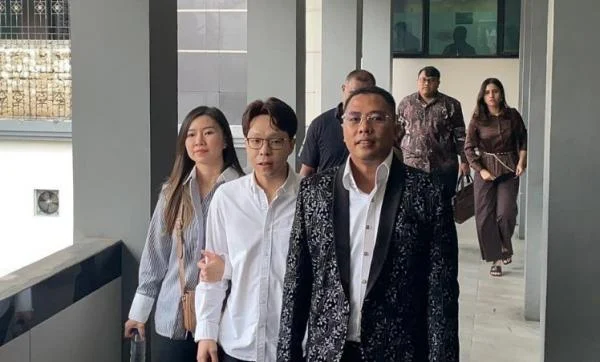
The legal representation for prominent aesthetics doctor and entrepreneur Richard Lee has formally raised serious concerns regarding an alleged security breach within law enforcement channels. Faizal Hafied, serving as the lead counsel for Richard Lee, expressed profound astonishment and dismay after discovering that confidential investigative materials from a recent police examination—conducted under the jurisdiction of regional law enforcement authorities—were reportedly leaked and publicized by his client’s vocal rival, an internet personality operating under the pseudonym Dokter Detektif, commonly known as Doktif.
The core of the controversy centers on the strict legal and procedural confidentiality mandated during active police interrogations and witness examinations. According to the defense team, the specific topics, inquiries, and disclosures made during the closed-door questioning session should have remained strictly internal between the investigators and the legal defense team. However, within a remarkably short window of less than twenty-four hours, elements of the confidential session allegedly surfaced on digital platforms utilized by the rival commentator, prompting immediate plans for formal legal recourse and internal complaints by Richard Lee’s legal representatives.
This development marks a new escalation in an ongoing, high-profile public feud and series of legal battles involving the medical aesthetics industry, regulatory disputes, social media commentary, and overlapping criminal and civil allegations. As the defense prepares to file official complaints regarding the alleged breach of confidentiality, legal analysts and observers are scrutinizing the protocols governing information security within investigative bodies and the broader societal implications of public digital feuds intersecting with formal judicial proceedings.
Background Context of the Dispute and Public Rivalry
To understand the gravity of the current controversy, one must examine the protracted conflict between Richard Lee and the social media persona Dokter Detektif. Over the past several years, Richard Lee has established himself as a dominant figure in the Indonesian beauty and skincare industry, operating a widespread network of aesthetic clinics and maintaining a massive digital footprint across platforms such as YouTube, Instagram, and TikTok. His public profile has frequently placed him at the center of industry debates, consumer advocacy discussions, and commercial competition.
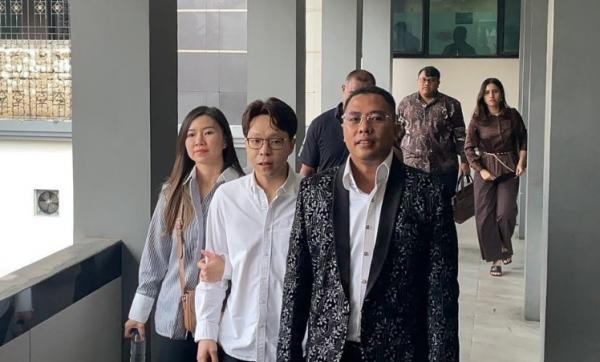
In parallel, accounts operating under pseudonyms such as Dokter Detektif gained substantial traction by publicly reviewing, analyzing, and often criticizing commercial skincare products, laboratory test results, and marketing claims made by various brands, including those associated with prominent industry figures. What began as online critiques and digital posturing quickly escalated into formal legal disputes, mutual accusations of defamation, regulatory complaints, and subsequent police investigations.
The intersection of trial-by-social-media and formal criminal investigations has created a uniquely volatile environment. Public figures embroiled in these disputes frequently find their legal battles played out in real-time before millions of online followers. In this high-stakes digital arena, the timely release of inside information regarding police examinations, court hearings, or prosecutorial demands serves as a powerful tool for narrative control, public posturing, and reputational pressure. The alleged leak of confidential interrogation notes is the latest manifestation of this broader struggle for public perception.
Chronology of the Alleged Information Leak
The timeline leading up to the defense team’s public statements highlights the rapid dissemination of sensitive information in the digital age. According to statements provided by Faizal Hafied outside the Tangerang District Court, the sequence of events unfolded rapidly over the course of a few critical days:
- The Police Examination: Investigators from the West Java Regional Police (Polda Jabar) conducted a formal examination session involving Richard Lee and his legal counsel. The session was designed to gather specific statements and documentation regarding ongoing inquiries, touching upon operational matters, talent management, and related business practices.
- The Confidentiality Window: Under Indonesian criminal procedure and standard law enforcement protocols, the content of witness and suspect examinations is classified as confidential material intended exclusively for the dossier being compiled by investigators, prosecutors, and the defense.
- The Alleged Breach: Within less than twenty-four hours of the conclusion of the closed-door questioning, specific details, terminology, and themes discussed exclusively inside the interrogation room allegedly appeared on social media channels managed by or affiliated with Dokter Detektif.
- The Public Discovery: Members of Richard Lee’s legal team monitoring public commentary discovered the overlap between the private police examination and the public commentary, triggering immediate internal consultations.
- The Legal Response: Faizal Hafied publicly addressed the media, expressing shock at the speed and precision of the alleged leak and announcing the defense’s intention to file formal administrative and legal complaints to investigate the source of the security failure.
Legal Implications of Compromised Investigative Materials
The integrity of any criminal justice system relies heavily on the strict adherence to confidentiality rules during the investigative phase. When details from ongoing examinations are prematurely leaked to external parties—particularly adversaries in a high-profile dispute—several foundational legal principles are brought into question.

Under standard legal frameworks, premature disclosure of investigative materials can compromise the integrity of ongoing evidence gathering, prejudice public opinion, infringe upon the presumption of innocence, and potentially violate internal codes of conduct governing law enforcement personnel. If sensitive details regarding strategy, questioning lines, or business operations discussed solely with police officers find their way into the hands of a hostile third party, it suggests potential vulnerabilities in the chain of custody for information within the investigative agency.
Legal experts note that such leaks, if verified, can lead to several administrative and legal remedies:
- Internal Professional Ethics Probes: The internal affairs division of the police force (Propam) may be called upon to investigate officers who had direct access to the examination room to determine if protocols regarding information handling were breached.
- Formal Objections and Motions: Defense attorneys can file formal objections with supervisory authorities, demanding greater transparency and security measures regarding how investigative records are stored, transmitted, and discussed.
- Potential Civil or Criminal Actions: Depending on the nature of the leaked material and the manner of its acquisition, affected parties may explore legal avenues addressing the unlawful dissemination of confidential data.
Broader Industry and Public Reactions
The ongoing legal battles surrounding Richard Lee have consistently generated extensive media coverage, reflecting the immense public interest in the intersection of influencer culture, consumer protection, and the legal system. Previous milestones in the broader legal saga—such as prosecutorial demands, court appearances, and public commentary from rival figures—frequently trend across digital platforms within minutes of publication.
In previous instances, public commentary from figures like Dokter Detektif has ranged from analytical breakdowns of legal documents to pointed rhetorical commentary regarding the outcomes of court hearings and prosecutorial demands. The ability of external commentators to quickly obtain, analyze, and comment upon granular details of judicial and investigative processes underscores the porous nature of information boundaries in modern high-profile cases.
Public relations and crisis management specialists observe that in disputes involving influential digital creators, the battle is fought simultaneously on two distinct fronts: the formal courtroom and the court of public opinion. While legal teams focus on statutory defenses, procedural rules, and evidentiary standards, public figures often leverage digital narratives to maintain brand loyalty, sway public sentiment, and exert psychological pressure on opponents. Consequently, the control of information—and the prevention or execution of strategic leaks—becomes a high-value tactical asset.

Next Steps and Expected Developments
As the legal team prepares to formalize its complaints regarding the alleged information leak, several key developments are anticipated in the near future:
- Formal Filing of Complaints: Faizal Hafied and the legal defense team are expected to submit formal inquiries and complaints to relevant supervisory bodies within the police force, requesting a transparent review of how examination details became public knowledge.
- Response from Law Enforcement: Oversight authorities within the regional police command will likely face pressure to issue a clarification or initiate an internal inquiry to address the public allegations made by the defense counsel.
- Continuation of Ongoing Judicial Proceedings: Parallel to the investigation into the alleged leak, the primary legal cases involving Richard Lee—including ongoing trials, appeals, and related civil or criminal matters—will continue to move through the judicial system at the Tangerang District Court and other relevant jurisdictions.
The unfolding situation serves as a stark reminder of the complex challenges facing modern legal practitioners, law enforcement agencies, and public figures as they navigate the blurring lines between traditional courtroom procedures and the fast-paced, highly scrutinized world of digital media advocacy and online rivalry.