For decades, the citrus family—most notably oranges, lemons, and grapefruits—has occupied the dominant narrative in public health discourse regarding vitamin C intake. This long-standing association has led many consumers to rely almost exclusively on citrus fruits or synthetic supplements to meet their daily nutritional requirements. However, nutritional science suggests that a broader approach to fruit consumption is not only more sustainable but potentially more beneficial due to the synergistic effects of various phytochemicals and fiber profiles found in non-citrus alternatives.
As public interest in preventative health and immune support continues to rise, particularly following global health challenges that have underscored the importance of robust immune function, understanding the diverse sources of essential micronutrients has become critical. Vitamin C, or ascorbic acid, is a water-soluble vitamin that the human body cannot synthesize on its own. It plays a foundational role in the synthesis of collagen, the absorption of non-heme iron, and the protection of cells against oxidative stress. With modern dietary guidelines increasingly emphasizing whole-food nutrition over isolated supplementation, identifying high-potency alternatives to the traditional orange is a priority for nutritionists and public health advocates alike.
The Nutritional Landscape of Vitamin C Sources
While the recommended dietary allowance (RDA) for vitamin C varies by age and sex—typically ranging from 75 mg to 90 mg per day for adults—many people fail to meet this threshold. Relying on oranges can become monotonous, and for individuals with specific digestive sensitivities to the high acidity of citrus, diversifying one’s fruit intake is a biological necessity.
The following five fruits represent some of the most potent, accessible, and nutrient-dense alternatives to citrus, offering not only high concentrations of ascorbic acid but also unique fiber profiles and secondary metabolites that support long-term physiological health.
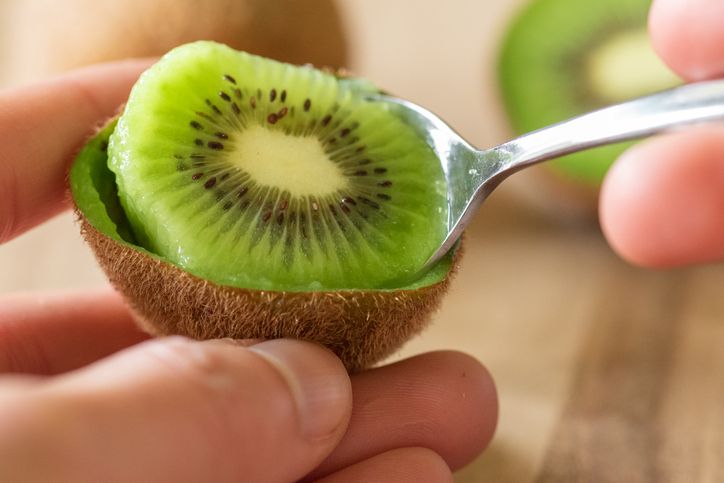
1. The Kiwi: A Small Powerhouse of Immunity
The kiwi fruit, often overlooked due to its unique texture and appearance, is arguably one of the most concentrated sources of vitamin C available in the produce aisle. According to recent nutritional analyses, a single medium-sized kiwi provides upwards of 60 to 70 mg of vitamin C. This quantity represents roughly 70% of the daily requirement for an average adult female and over 50% for an adult male.
Beyond its vitamin C content, the kiwi is a rich source of actinidin, a digestive enzyme that assists in the breakdown of proteins, which is why clinical nutritionists often recommend the fruit as a natural remedy for chronic constipation. The inclusion of kiwi in a daily diet is supported by research into metabolic health; its fiber content, specifically the combination of soluble and insoluble fibers, promotes a healthy gut microbiome. Furthermore, the skin of the kiwi—though often discarded—is edible and contains a significant portion of the fruit’s total antioxidant capacity, making it a zero-waste superfood when consumed properly.
2. Strawberries: The Antioxidant Powerhouse
Strawberries are frequently categorized as a "superfood" due to their impressive concentration of vitamin C and anthocyanins—the pigments that give them their vibrant red color. One cup of sliced strawberries, weighing approximately 144 grams, delivers roughly 90 mg of vitamin C. This effectively exceeds the RDA for most women and comes remarkably close to meeting the full daily requirement for men.
The implications of high strawberry consumption extend to dermatological health. Vitamin C is a critical cofactor in the hydroxylation of proline and lysine, two amino acids necessary for collagen production. Consequently, diets rich in strawberries are associated with improved skin elasticity and a reduction in the visible markers of photoaging. From a clinical perspective, the integration of strawberries into a diet is a highly effective strategy for managing systemic inflammation, as the flavonoids present in the berries have been shown in various peer-reviewed studies to assist in blood pressure regulation and the reduction of oxidative damage in vascular tissues.
3. The Nutritional Versatility of Papaya
Often underrated in Western diets, the papaya is a tropical fruit that offers a complex nutritional profile. A single cup of cubed papaya provides approximately 90 mg of vitamin C, placing it in direct competition with more commonly consumed fruits. However, what sets the papaya apart is the presence of papain, a proteolytic enzyme that aids in protein digestion and reduces bloating.
The immune-boosting potential of papaya is largely attributed to its concentration of vitamin C, which facilitates the production of white blood cells—the body’s primary defense mechanism against pathogens. Moreover, for populations residing in high-pollution or high-UV environments, the carotenoids and vitamin C found in papaya serve as a robust defense mechanism, protecting cellular DNA from the deleterious effects of environmental toxins. The regular consumption of papaya is, therefore, not merely a matter of vitamin intake, but a comprehensive approach to gastrointestinal and immune support.
4. Jambu Biji: The Ascorbic Acid Champion
Perhaps the most impressive entry on this list is the jambu biji, or guava. While many consumers reach for oranges, the guava actually contains significantly higher concentrations of vitamin C, often reaching levels of 130 mg per fruit. This single fruit can exceed the entire daily requirement for an average adult, making it one of the most efficient ways to bolster one’s immune system.
The clinical benefits of guava are multifaceted. Its high concentration of lycopene—a powerful antioxidant—has been the subject of extensive research regarding its role in prostate health and cardiovascular protection. Additionally, the fiber content in guava is exceptionally high, which assists in blood glucose management. By slowing the absorption of sugar into the bloodstream, guava serves as an ideal fruit for individuals managing pre-diabetes or metabolic syndrome. The combination of high vitamin C and high fiber makes it a standout choice for those looking to maximize the nutritional "bang for their buck."
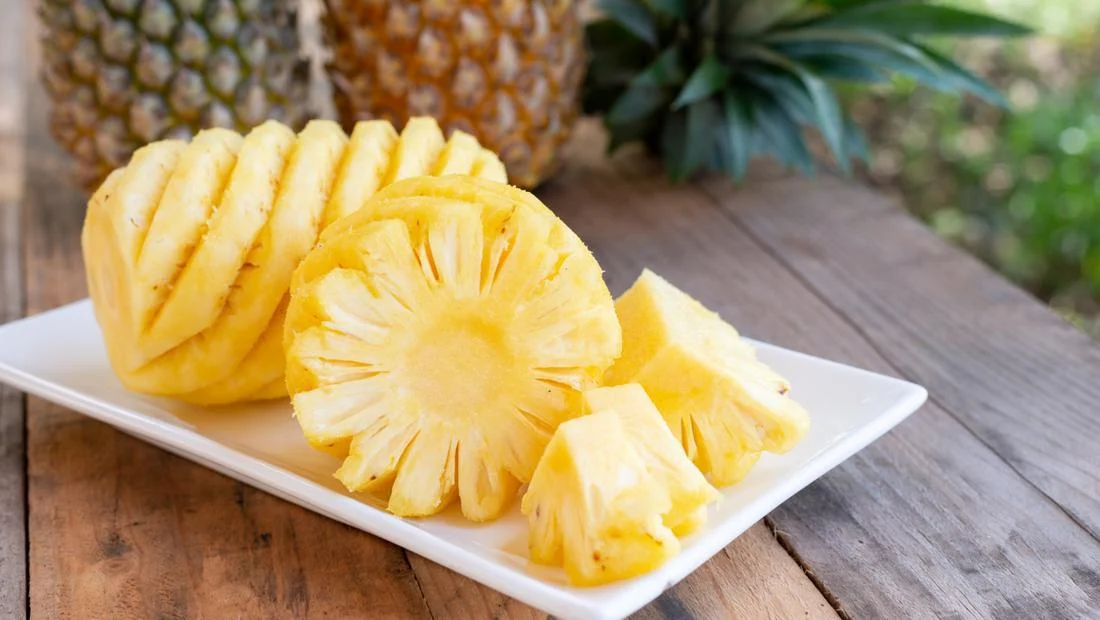
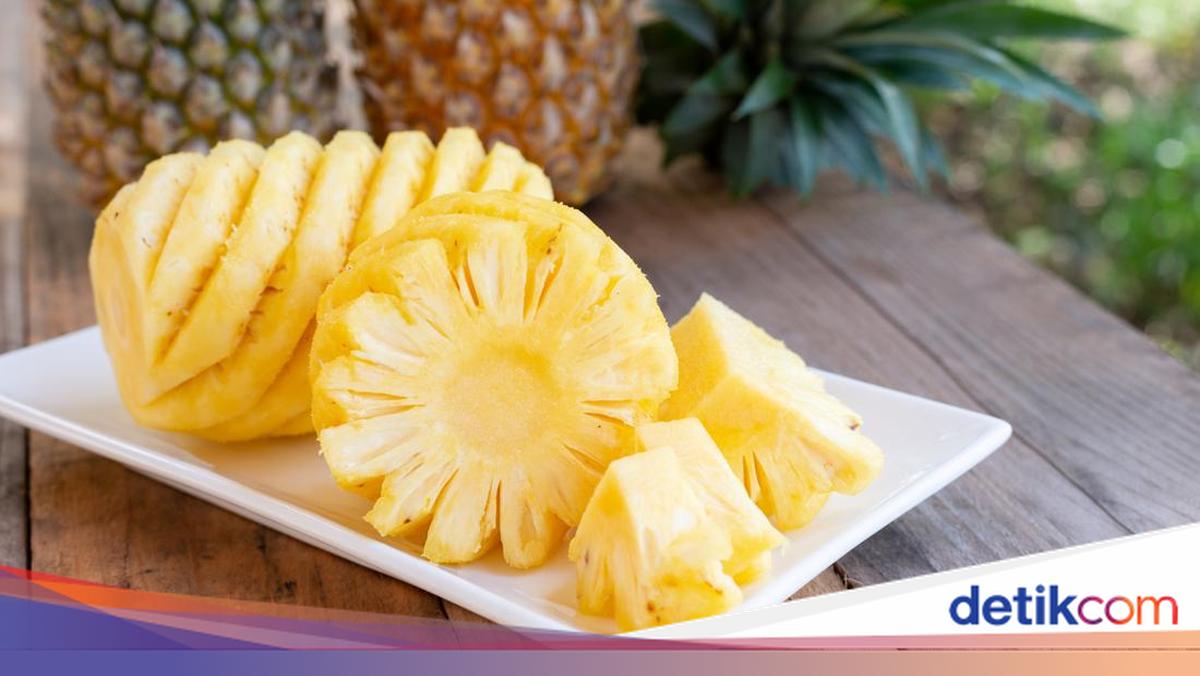
5. The Tropical Benefit of Pineapple
Pineapple contains approximately 78 mg of vitamin C per cup, placing it squarely within the range of optimal daily intake. What makes pineapple unique among the high-vitamin C fruits is its bromelain content. Bromelain is an enzyme complex known for its potent anti-inflammatory and analgesic properties, often used in sports medicine to assist in the recovery of muscle tissue post-exertion.
The application of pineapple for skin health is also noteworthy. The high levels of vitamin C and manganese stimulate collagen synthesis, which is essential for wound healing and skin structural integrity. Furthermore, the anti-inflammatory properties of bromelain help in reducing skin redness and inflammation associated with acne or sun exposure. By incorporating pineapple into a balanced diet, individuals can leverage these biochemical properties to manage systemic inflammation while simultaneously meeting their daily vitamin C quotas.

Analysis: Beyond the Supplement Industry
The shift toward sourcing vitamin C from whole fruits rather than synthetic supplements is supported by an emerging consensus in the medical community. Supplements often lack the "food matrix"—the intricate combination of fiber, polyphenols, and micronutrients—that dictates how a vitamin is absorbed and utilized by the body.
For instance, the absorption of iron from plant-based sources is significantly enhanced by the presence of vitamin C. When an individual consumes a meal rich in non-heme iron (such as spinach or legumes) alongside a fruit high in vitamin C (such as strawberries or pineapple), the bioavailability of that iron increases exponentially. This biological synergy is a phenomenon that supplements cannot replicate.
Furthermore, the economic and environmental implications of favoring whole fruits are significant. The global market for vitamin supplements is a multi-billion dollar industry, yet much of it is driven by marketing rather than therapeutic necessity for the general, healthy population. By diversifying fruit intake, consumers can lower their reliance on processed supplements, thereby reducing the environmental footprint associated with manufacturing, packaging, and shipping synthetic vitamins.
Conclusion: A Sustainable Nutritional Strategy
The evidence is clear: while the orange remains a convenient and reliable source of vitamin C, it is by no means the singular answer to human nutritional needs. Through the deliberate inclusion of kiwi, strawberries, papaya, guava, and pineapple, individuals can create a robust, flavorful, and nutritionally diverse diet that supports immune function, skin health, and digestive wellness.
As public health guidance moves toward a more holistic view of nutrition, the emphasis must remain on the accessibility and efficacy of whole-food sources. By viewing these five fruits not as mere snacks, but as essential components of a proactive health strategy, consumers can effectively mitigate the risks of vitamin deficiency and its associated health complications. The objective for the modern consumer should be the cultivation of a dietary pattern that prioritizes variety, thereby ensuring a wide spectrum of micronutrients that act in concert to maintain physiological homeostasis.