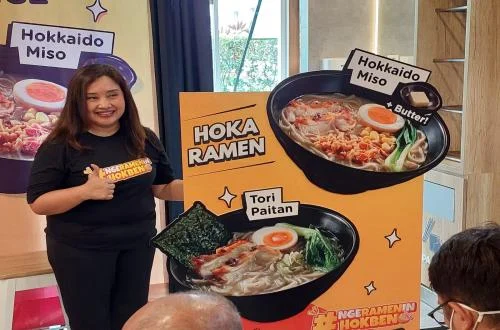
HokBen, the prominent Indonesian-based fast-food chain specializing in Japanese-style cuisine, has officially announced the expansion of its noodle category with the introduction of "Spicy Ramen." This strategic move, unveiled on February 14, 2023, by PT Eka Bogainti (the parent company of HokBen), aims to cater to the deep-seated preference of Indonesian consumers for spicy and bold flavor profiles. The launch follows the successful debut of the Hoka Ramen line in late 2022, signaling a significant shift in the brand’s product development strategy as it seeks to diversify beyond its traditional bento-style offerings and solidify its position in the competitive Japanese fusion market.
The introduction of Spicy Ramen is not merely an addition to the menu but a calculated response to market trends. According to Francisca Lucky, General Manager of Marketing at PT Eka Bogainti, the spicy variant was specifically inspired by the culinary habits of the Indonesian populace, where heat and chili-based flavors are often a staple of daily meals. By integrating these local preferences with traditional Japanese ramen techniques, HokBen aims to bridge the gap between authentic Japanese culinary art and local taste expectations. This "glocalization" strategy—adapting global products to fit local contexts—has been a cornerstone of HokBen’s longevity in the Indonesian food and beverage industry for nearly four decades.
Technical Composition and Flavor Profile
The Spicy Ramen is crafted using a robust chicken-based broth, which provides a savory foundation for the added spice. Unlike the more traditional tonkotsu (pork-based) broths found in many Japanese ramen shops, HokBen utilizes a poultry-based stock to ensure the product remains accessible to the majority of the Indonesian population, adhering to strict halal standards. The dish is characterized by a rich, red-tinted soup that delivers a gradual heat, balanced by the umami of the chicken fat and seasonings.
To complete the dish, HokBen has curated a selection of toppings that offer a variety of textures and nutritional balance. The Spicy Ramen features:
- Chicken Chasiu: Thinly sliced, marinated chicken breast that provides a tender, juicy protein source.
- Ni Tamago: A traditional Japanese soft-boiled egg, marinated to infuse the white with flavor while maintaining a creamy yolk.
- Pakcoy: Fresh Chinese cabbage that provides a crisp texture and nutritional value.
- Wood Ear Mushrooms (Jamur Kuping): Added for their unique, crunchy texture and ability to absorb the spicy broth.
- Green Onions: Used as a garnish to provide a fresh, aromatic finish.
The noodles themselves are engineered to maintain their elasticity and "bite" (al dente texture) even when submerged in hot broth for extended periods, a crucial factor for a restaurant that handles a high volume of take-away and delivery orders.
Strategic Pricing and Market Positioning
In an effort to remain competitive within the mid-range dining segment, HokBen has launched the Spicy Ramen in two distinct portion sizes. The "Regular" portion is priced at Rp 38,000, while the "Large" portion is available for Rp 48,000 (prices may vary slightly depending on the region and tax applications). This pricing strategy positions HokBen as an affordable alternative to high-end ramen boutiques located in major shopping malls, which often charge upwards of Rp 70,000 to Rp 100,000 per bowl.
By offering a high-quality ramen experience at a price point under Rp 50,000, HokBen is targeting a broad demographic, including students, office workers, and families. This move is particularly significant given the current economic climate in Indonesia, where consumers are increasingly looking for "value-for-money" options without sacrificing the experience of eating trendy, international cuisines.
Chronology of the Hoka Ramen Evolution
The launch of Spicy Ramen is the latest chapter in a broader menu evolution that began in the fourth quarter of 2022. Previously, HokBen operated primarily as a bento and fried-food specialist. However, recognizing the "ramen boom" that has swept across Indonesian urban centers over the last decade, the company decided to enter the noodle market.
- Late 2022: HokBen introduced the "Hoka Ramen" series, initially featuring two main variants: Hokkaido Miso Ramen and Tori Paitan Ramen. The Hokkaido Miso variant offered a fermented soybean base known for its rich, salty, and slightly sweet notes, while the Tori Paitan offered a creamy, white chicken broth.
- February 14, 2023: On Valentine’s Day, the company leveraged the high foot traffic of the holiday to launch the Spicy Ramen. This timing was likely intentional, as holiday launches often benefit from increased social media visibility and "date night" dining trends.
- Post-Launch Phase: Following the introduction of the spicy variant, HokBen has integrated these ramen options across its extensive network of hundreds of stores nationwide, ensuring that the product is not just a seasonal promotion but a permanent fixture of the brand’s identity.
The Cultural Significance of Spicy Food in Indonesia
The decision to focus on a spicy variant is supported by significant consumer data within the Southeast Asian region. Indonesia is one of the world’s largest consumers of chili peppers. Culinary research suggests that the sensation of "pedas" (spiciness) is so integral to the Indonesian palate that many consumers feel a meal is incomplete without it.
In the fast-food industry, this has led to the rise of "pedas levels" in various dishes, from fried chicken to noodles. By entering this arena, HokBen is competing not just with other Japanese restaurants, but with local noodle chains and international fried chicken franchises that have also launched spicy-themed products. The Spicy Ramen serves as a strategic bridge, offering the novelty of a Japanese dish with the familiar comfort of Indonesian heat levels.
Implications for the Japanese Fast-Food Industry
HokBen’s aggressive expansion into the ramen market has several implications for the broader food and beverage industry in Indonesia:
- Increased Competition for Specialized Ramen Shops: As a massive chain with high brand awareness, HokBen’s entry into ramen puts pressure on smaller, specialized ramen shops to innovate. HokBen’s advantage lies in its vast distribution network and established supply chain, allowing for lower price points.
- Standardization of Japanese Flavors: For many Indonesians in secondary cities (outside of Jakarta or Surabaya), HokBen might be their first introduction to ramen. The brand, therefore, plays a role in defining what "Japanese food" tastes like for a large portion of the population.
- Diversification of Fast-Food Menus: The success of Spicy Ramen may encourage other fast-food chains to look beyond their core products (like burgers or fried chicken) and experiment with more complex, bowl-based meals that require different kitchen logistics.
Supply Chain and Quality Assurance
Maintaining the quality of a dish as complex as ramen across hundreds of outlets requires a sophisticated logistics operation. PT Eka Bogainti has emphasized that the ingredients for the Spicy Ramen are sourced with a focus on consistency. The chicken chasiu and broth bases are produced in centralized kitchens to ensure that a bowl of ramen in Medan tastes the same as one in Bali.
Furthermore, HokBen’s commitment to Halal certification is a critical factor in its market dominance. In a country with the world’s largest Muslim population, the "Halal" label is a prerequisite for mass-market success. By ensuring that their ramen—a dish traditionally associated with pork in its country of origin—is 100% halal, HokBen removes a significant barrier to entry for millions of potential customers.
Future Outlook and Conclusion
The launch of Spicy Ramen is a testament to HokBen’s ability to evolve while staying true to its core identity. Since its founding in 1985, the company has transformed from a single storefront in Kebon Kacang, Jakarta, into a national powerhouse. This latest menu expansion suggests that the company is not content with resting on its laurels but is actively seeking to capture the younger, trend-conscious "Gen Z" and "Millennial" demographics who are the primary drivers of the ramen trend.
As the Indonesian economy continues to recover and the food and beverage sector grows, HokBen’s move into spicy, specialized noodles appears to be a well-timed investment. The success of the Spicy Ramen will likely be measured not just by sales volume, but by its ability to enhance the brand’s image as a versatile, modern Japanese restaurant that understands the unique nuances of the Indonesian heartland.
In conclusion, the Spicy Ramen is more than just a new menu item; it is a symbol of the ongoing fusion of cultures in the globalized food industry. It represents the intersection of Japanese culinary tradition and Indonesian sensory preference, packaged in a way that is affordable, accessible, and high in quality. As consumers continue to seek out bold flavors, HokBen’s latest offering is well-positioned to remain a favorite in the competitive landscape of Indonesian casual dining.