
The global landscape of consumer behavior has undergone a seismic shift over the past decade, moving away from the traditional accumulation of physical assets and toward the acquisition of lived experiences. For the millennial generation and their successors in Gen Z, travel has transitioned from a seasonal luxury into a fundamental lifestyle requirement, often prioritized over conventional financial milestones such as homeownership or vehicle acquisition. This phenomenon, frequently described by economists as the "Experience Economy," suggests that for modern youth, the internal return on investment provided by global exploration is significantly more valuable than the depreciating value of material goods.
The emergence of this lifestyle is not merely a trend but a structural change in how young adults define success and personal fulfillment. While previous generations, particularly Baby Boomers and Gen X, focused heavily on the "American Dream" model—prioritizing the early purchase of real estate and long-term stability—millennials are increasingly allocating their disposable income toward international and domestic travel. This shift is driven by a combination of technological democratization, the rise of social media as a tool for discovery, and a growing recognition of the mental health benefits associated with breaking away from domestic routines.
The Evolution of the Experience Economy: A Chronological Perspective
The trajectory of travel as a primary lifestyle choice can be traced through several distinct phases over the last twenty years. In the early 2000s, international travel remained largely the domain of the wealthy or the "backpacker" subculture. However, the 2008 global financial crisis served as a critical turning point. As traditional paths to wealth—such as stable corporate careers and affordable housing—became increasingly out of reach for young graduates, a psychological shift occurred. If the traditional "future" was no longer guaranteed, the value of the "present" skyrocketed.
By 2012, the explosion of social media platforms like Instagram provided a visual catalyst for this movement. Suddenly, remote destinations were no longer abstract concepts found in dusty guidebooks; they were real-time, high-definition aspirations shared by peers. Between 2015 and 2019, the travel industry saw record-breaking numbers of millennial travelers, with the World Tourism Organization (UNWTO) noting that young travelers accounted for approximately 23% of the over one billion international tourists traveling each year.
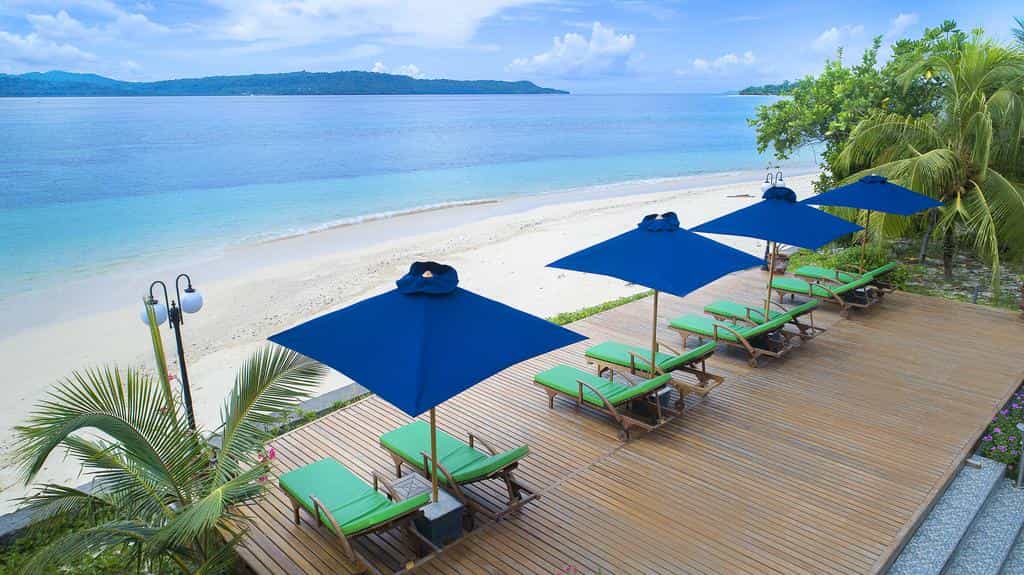
The COVID-19 pandemic, while temporarily halting movement, actually served to solidify travel’s status as a priority. The period of forced isolation created a "pent-up demand" and a renewed realization of the fragility of freedom. Post-pandemic data from 2022 and 2023 indicates that "revenge travel"—the act of traveling more frequently to make up for lost time—has become a permanent fixture of millennial spending habits. Today, the lifestyle is characterized by a "work from anywhere" ethos, facilitated by the rise of remote work and digital nomadism.
Economic Data: Comparing Assets to Experiences
Statistical analysis supports the claim that millennials are the most "travel-hungry" generation in history. According to a 2023 report by American Express Travel, 86% of millennials and Gen Z travelers plan to spend more or the same amount on travel compared to the previous year. Furthermore, data from the Federal Reserve and various consumer sentiment indices indicate that while the homeownership rate for millennials at age 30 is lower than that of previous generations at the same age, their spending on "recreational services" and "transportation" has seen a 15% higher growth rate relative to inflation.
This is not necessarily an indication of financial recklessness, as some critics suggest, but rather a calculated reallocation of capital. With the skyrocketing costs of urban real estate in global hubs, many young professionals view a $500,000 mortgage as a daunting, 30-year shackle, whereas a $5,000 trip to Southeast Asia or South America offers immediate "cultural capital" and personal development. Analysts at McKinsey & Company have observed that this generation views experiences as a form of social currency. In the digital age, a story of a week spent trekking in the Himalayas often holds more social prestige than the possession of a luxury sedan.
Psychological and Social Drivers of the Travel Lifestyle
The motivation behind "lifestyle traveling" extends beyond simple leisure. Sociologists point to several core drivers that make this path particularly appealing to the modern workforce:
- Self-Actualization and Identity: In an increasingly homogenized world, travel offers a way to distinguish one’s identity. By navigating foreign environments and overcoming language barriers, individuals engage in a form of "forced growth" that traditional office environments rarely provide.
- Mental Health and Burnout Mitigation: The modern work culture is characterized by high levels of stress and digital fatigue. Travel serves as a necessary "reset" button. The shift in perspective gained from viewing different societal structures often helps travelers re-evaluate their own life choices and reduce anxiety.
- The Search for Authenticity: In a world of digital filters, there is a profound hunger for the "real." Engaging with local cultures, tasting authentic cuisines, and witnessing natural wonders firsthand provide a level of sensory fulfillment that digital experiences cannot replicate.
Implementing the Travel Lifestyle: Strategies for Success
Transitioning from an occasional tourist to a lifestyle traveler requires a shift in mindset and logistics. Based on the experiences of long-term travelers and industry experts, three primary pillars define a successful travel-centric life:

Cultivating Resilience and Financial Courage
The primary barrier for most aspiring travelers is the fear of financial instability. However, lifestyle traveling does not necessarily require a massive inheritance or a lottery win. It requires the courage to "survive with what you have." This involves adopting a "minimalist" approach to life—reducing fixed costs like expensive subscriptions or high-end car payments—to maximize "liquid" funds for travel. Financial experts recommend the "50/30/20" rule, but with a travel twist: 50% for needs, 20% for future savings, and 30% specifically for the "experience fund."
Agile Planning and Cultural Integration
Unlike traditional vacations where every hour is scheduled, lifestyle traveling thrives on flexibility. The goal is to "follow the flow" of the local environment. This means having a general destination but remaining open to local recommendations that might lead to hidden gems not found in tourist brochures. This agility allows travelers to learn "local wisdom" and adapt to the rhythm of the place they are visiting, leading to a much deeper and more meaningful connection than a superficial sightseeing tour.
The Necessity of Adaptability
To make travel a sustainable lifestyle, one must master the art of adaptation. This includes the ability to navigate different social norms, dietary habits, and infrastructure levels. Travelers who succeed in the long term are those who view challenges—such as a missed train or a cultural misunderstanding—as part of the adventure rather than a failure of the plan. This adaptability is a highly transferable skill that often makes travelers more effective and resourceful in their professional careers.
Industry Responses and the Shift in Hospitality
The travel industry has been forced to evolve to meet the demands of this "experience-first" demographic. Traditional luxury hotels are being challenged by "lifestyle hotels" and "coliving spaces" that prioritize communal areas, high-speed internet, and local cultural programming. Companies like Airbnb have shifted their marketing focus from "places to stay" to "experiences to have," reflecting the millennial desire for immersion over isolation.
Airlines have also adjusted, introducing more flexible booking options and "multi-city" search tools to cater to those who may be traveling for months at a time rather than just a weekend. Furthermore, the rise of "slow travel"—the practice of staying in one location for weeks or months to truly understand the culture—is a direct response to the burnout associated with traditional, fast-paced tourism.

Broader Implications and Future Outlook
The long-term implications of this shift are profound. On a macroeconomic level, the "Experience Economy" is driving significant investment into the tourism sectors of developing nations, providing a vital source of foreign exchange and job creation. However, it also presents challenges such as "over-tourism" and the environmental impact of increased air travel. The next phase of the travel lifestyle will likely be defined by "Sustainability and Conscious Travel," where millennials seek to minimize their carbon footprint while still satisfying their nomadic urges.
From a social perspective, the prioritization of travel over material assets may lead to a more globally-minded and empathetic population. As more individuals step out of their "comfort zones" to engage with the world, the barriers of prejudice and isolationism tend to erode.
In conclusion, the rise of traveling as a lifestyle is a testament to a changing value system. For the modern generation, the "investment" is not in the brick and mortar of a house, but in the memories, skills, and perspectives gained from the road. While the financial structures of the past may have favored the accumulation of goods, the future belongs to those who recognize that a life well-lived is measured not by what one owns, but by where one has been and who they have become in the process. Traveling, once a temporary escape, has now become the very fabric of a meaningful life.