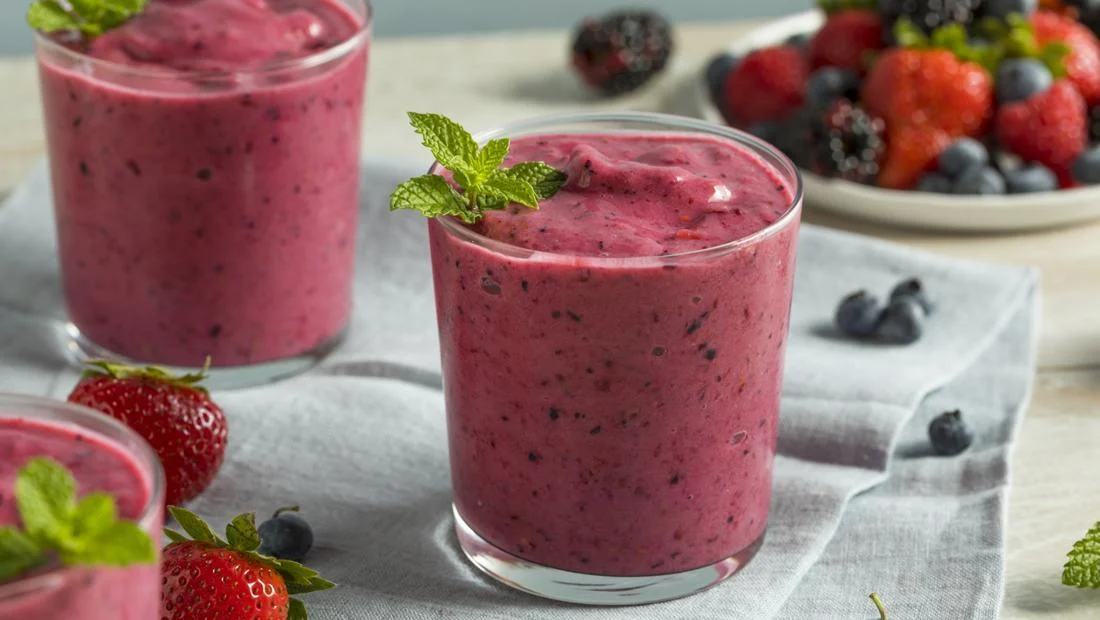
Smoothies have maintained their status as a cornerstone of the modern health-conscious diet, offering a convenient and efficient method for individuals to consume a concentrated dose of essential nutrients in a single serving. While the popularity of these blended beverages continues to rise globally, culinary experts and nutritionists are increasingly emphasizing the importance of ingredient selection and preparation methods to maximize both health benefits and sensory appeal. The transition from a standard fruit blend to a nutritionally optimized meal replacement requires a strategic approach to balancing macronutrients and micronutrients while ensuring a desirable, creamy consistency. Recent insights from nutritional experts, including recommendations highlighted by BBC Food and other major health outlets, suggest that the secret to a superior smoothie lies in a specific three-component architecture: a liquid base, a fruit component, and a strategic thickening agent.
The Architecture of a Nutritious Smoothie
A professionally crafted smoothie is more than just a mixture of blended produce; it is a calculated combination of flavors and textures designed to provide sustained energy. According to culinary guidelines, the ideal smoothie should avoid the pitfalls of excessive sugar, which often plagues commercially available versions. The reliance on artificial syrups, refined sugars, or high-calorie additives can transform a health drink into a high-glycemic beverage that leads to energy crashes and inflammatory responses. Instead, the focus remains on whole food sources, including fresh fruits, leafy greens, high-quality proteins, and healthy fats.
The nutritional profile of a well-balanced smoothie is formidable. By incorporating a variety of colorful fruits and vegetables, consumers can provide their bodies with a spectrum of vitamins, including Vitamin C for immune support and Vitamin A for ocular health. Furthermore, the inclusion of folate is vital for DNA synthesis and repair, while potassium serves as a critical electrolyte for heart health and muscle function. Perhaps most importantly, the presence of various antioxidants helps neutralize free radicals—unstable molecules that can cause cellular damage and contribute to chronic diseases and aging.
The Chronology of Preparation: A Step-by-Step Methodology
The order in which ingredients are added to a blender is not merely a matter of preference but a technical requirement for both the longevity of the appliance and the quality of the final product. Experts suggest a chronological approach to ensure a smooth, lump-free texture.
The process begins with the liquid base. Pouring the liquid—whether it be dairy milk, unsweetened almond milk, soy milk, or coconut water—into the blender first is essential. This creates a "vortex" effect that allows the blades to move freely, pulling solid ingredients down into the spinning assembly. This technique prevents the motor from straining and ensures that the fruit and thickeners are processed evenly.
Following the liquid, the fruit component is introduced. A standard recommendation is approximately three-quarters of a cup of selected fruit. Bananas are frequently cited as the gold standard for smoothies due to their high pectin content, which provides a naturally creamy and "fluffy" texture that other fruits struggle to replicate. However, the versatility of the smoothie allows for a wide range of additions, including antioxidant-rich berries, tropical mangoes, peaches, plums, and even grated apples or pears for added fiber.
The final stage involves the addition of a thickener. This component is what elevates a thin, watery juice into a satiating smoothie. While many use ice, experts suggest that ice can often dilute the flavor and create a gritty texture. Instead, the use of high-protein thickeners is recommended to improve the mouthfeel and nutritional density of the beverage.
The Role of Greek Yogurt as a Nutritional Powerhouse
One of the most significant recommendations for enhancing smoothie quality is the integration of Greek yogurt. Unlike regular yogurt, Greek yogurt undergoes a straining process that removes excess whey, resulting in a thicker, more concentrated product. From a culinary perspective, Greek yogurt provides a rich, velvety texture that mimics the indulgence of a milkshake without the associated health drawbacks.
From a nutritional standpoint, Greek yogurt is a powerhouse of protein. Protein is a critical addition to any smoothie because it slows the absorption of fruit sugars into the bloodstream, preventing rapid insulin spikes and promoting long-term satiety. A single small cup of Greek yogurt can significantly boost the amino acid profile of the drink. Furthermore, many Greek yogurts contain probiotics—beneficial bacteria that support gut health and the microbiome. For those who do not prefer yogurt, alternatives such as peanut butter or almond butter can provide healthy fats and proteins, though they contribute a different flavor profile and higher caloric density.
Data and Market Trends: The Rise of the "Clean Label" Smoothie
The shift toward homemade, nutrient-dense smoothies is reflected in broader global market data. The global smoothie market, valued at approximately USD 6.68 billion in 2021, is projected to grow at a compound annual growth rate (CAGR) of 7.2% through 2030. This growth is driven by an increasing consumer preference for "clean label" products—foods and drinks made with recognizable, natural ingredients and no artificial additives.
Data suggests that as consumers become more educated about the hidden sugars in "healthy" labeled retail products, there is a marked increase in the sale of high-powered home blenders and frozen fruit products. In the United Kingdom and North America, the demand for Greek yogurt has also seen a steady climb, partly due to its versatility as a health supplement in breakfast routines. This trend indicates a systemic move toward functional nutrition, where every ingredient in a meal is chosen for a specific health purpose.
Strategic Ingredient Sourcing and Waste Reduction
A practical tip for regular smoothie consumers is the utilization of frozen fruits. Experts from BBC Food suggest that keeping a variety of fruits in the freezer is not only a matter of convenience but also a strategy for maintaining nutritional integrity. Fruits are often frozen at the peak of their ripeness, which locks in vitamins and minerals that might otherwise degrade during the transport and shelf-life of fresh produce.
Using frozen fruit also serves a functional purpose in the blending process. Because the fruit is already at a sub-zero temperature, it acts as a cooling agent, eliminating the need for added ice. This results in a more concentrated flavor and a thicker consistency. Furthermore, this approach helps in reducing food waste, as overripe bananas or softening berries can be peeled, chopped, and frozen for future use rather than being discarded.
Implications for Public Health and Longevity
The adoption of a daily nutrient-dense smoothie can have long-term implications for public health. In an era where processed foods dominate the average diet, the smoothie represents an accessible way to meet the daily recommended intake of fruits and vegetables. Public health officials have long advocated for "five a day," and a single smoothie can often account for two or three of those servings.
Moreover, the inclusion of natural sweeteners such as honey, maple syrup, or agave—when used sparingly—provides a healthier alternative to the high-fructose corn syrup found in many snacks. By controlling the ingredients at home, individuals can manage their caloric intake while ensuring they are not consuming hidden preservatives or dyes. The cumulative effect of these choices contributes to better weight management, improved digestive health, and a lower risk of metabolic disorders.
Expert Analysis and Final Thoughts
The evolution of the smoothie from a simple blended fruit drink to a sophisticated nutritional tool reflects a broader understanding of how food impacts human physiology. The recommendation to prioritize protein-rich thickeners like Greek yogurt and to structure the blending process logically highlights a move toward culinary science in the home kitchen.
While the ingredients may vary based on personal taste or dietary restrictions—such as using plant-based yogurts or protein powders—the underlying principles remain the same: balance, quality, and the avoidance of refined additives. As research continues to highlight the importance of antioxidants and fiber in the prevention of chronic illness, the homemade smoothie stands out as a versatile and potent weapon in the pursuit of holistic wellness. By following these expert-backed guidelines, individuals can ensure that their morning routine is not only delicious but also a foundational element of a healthy lifestyle.