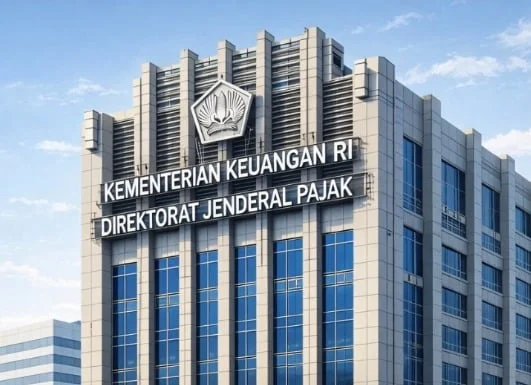
The Directorate General of Taxes (DJP) of Indonesia has officially announced a groundbreaking initiative to bolster tax compliance across the archipelago, enlisting the support of Bintara Pembina Desa (Babinsa), the village supervisory non-commissioned officers from the Indonesian Army, and Bhayangkara Pembina Keamanan dan Ketertiban Masyarakat (Bhabinkamtibmas), the community policing officers from the National Police. This unprecedented collaboration, formalized through Circular Letter Number SE-8/PJ/2026 issued on July 15, 2026, by Director General of Taxes Bimo Wijayanto, aims to foster continuous taxpayer compliance within the nation’s self-assessment taxation system. The move signals a significant expansion of the DJP’s enforcement and outreach capabilities, leveraging the extensive grassroots network of Indonesia’s security forces to enhance the accuracy of tax data and broaden the tax base.
Background to a Crucial Fiscal Initiative
Indonesia, like many developing nations, faces persistent challenges in optimizing tax revenue collection. Despite robust economic growth in recent decades, the country’s tax-to-GDP ratio has historically hovered below its potential, often lagging behind regional peers. This "tax gap" – the difference between the amount of tax theoretically collectible and what is actually collected – stems from various factors, including a large informal sector, low tax literacy, complex administrative procedures, and issues with compliance and enforcement. The self-assessment system, where taxpayers are responsible for calculating and paying their own taxes, relies heavily on voluntary compliance, which necessitates strong oversight and effective educational campaigns.
The DJP has continually sought innovative strategies to address these challenges. Previous efforts have focused on digitalization, integrating data from various government agencies (such as land registries, vehicle registration, and financial institutions), and streamlining tax processes. However, a persistent hurdle remains the reach into remote areas and the ability to verify reported data against on-the-ground realities, especially concerning unregistered businesses, undeclared assets, and the vast informal economy. This is where the involvement of Babinsa and Bhabinkamtibmas becomes a strategic pivot.
Babinsa and Bhabinkamtibmas are integral parts of Indonesia’s local governance structure. Babinsa, under the Indonesian Army’s territorial command, are present in virtually every village, responsible for community development, security, and disaster response. Similarly, Bhabinkamtibmas officers serve as the primary link between the police and local communities, focusing on crime prevention, conflict resolution, and maintaining public order. Their deep local knowledge, established community trust (in many areas), and extensive reach make them uniquely positioned to assist the DJP in its mission. This collaboration, while not entirely new in terms of state agency cooperation, marks a novel application of security forces in direct support of tax administration, underscoring the government’s commitment to strengthening fiscal foundations.
The New Framework: Circular Letter SE-8/PJ/2026
Director General Bimo Wijayanto’s Circular Letter SE-8/PJ/2026, dated July 15, 2026, lays out the comprehensive guidelines for this integrated oversight scheme. The overarching objective, as stated in the circular, is to "foster continuous compliance" by ensuring taxpayers fulfill their obligations within the self-assessment framework. This continuous compliance is crucial for stable state revenue, enabling the government to fund critical public services, infrastructure development, and social welfare programs.
The circular specifically targets three primary groups for oversight:
- Registered Taxpayers: Individuals and entities already enrolled in the tax system. The focus here is on verifying the accuracy of their reported income, assets, and transactions, ensuring consistency with their economic activities and lifestyle.
- Unregistered Taxpayers: This group includes individuals or businesses operating without a Taxpayer Identification Number (NPWP) or who have not formally declared their taxable activities. The aim is to identify these potential taxpayers and facilitate their registration and integration into the formal tax system.
- Region-Based Oversight: This approach focuses on specific geographical areas, scrutinizing local economic activities, property ownership, and business operations to identify potential tax discrepancies or undeclared taxable objects, particularly concerning Land and Building Tax (PBB).
The involvement of Babinsa and Bhabinkamtibmas is envisioned to be primarily facilitative and coordinative. They are not empowered to conduct tax audits, issue tax assessments, or directly collect taxes. Instead, their role is to assist DJP officers in various capacities, leveraging their local presence and knowledge. This includes helping identify new potential taxpayers, verifying the existence of businesses or properties, assisting in the delivery of official tax documents such as the Surat Permintaan Penjelasan atas Data dan/atau Keterangan (SP2DK), and raising general tax awareness within their communities.
Mechanisms of Enhanced Oversight
The operational mechanisms detailed in the circular emphasize data clarification and verification. One of the primary tools is the SP2DK, a formal request for clarification or explanation regarding data and information possessed by the DJP. The DJP accumulates vast amounts of third-party data from various sources – banks, land registries, vehicle ownership records, business permits, and even social media for high-net-worth individuals. When discrepancies arise between this data and a taxpayer’s declared income or assets, an SP2DK is issued.
With the involvement of Babinsa and Bhabinkamtibmas, the efficiency and effectiveness of SP2DK delivery and follow-up are expected to significantly improve, particularly in areas difficult for DJP officers to access regularly. These local officers can confirm addresses, verify the existence of businesses, and facilitate communication between taxpayers and the DJP. Their presence can also lend a degree of official gravity to the request, encouraging taxpayers to respond promptly and accurately.
Another critical area of focus is the oversight of Land and Building Tax (PBB). PBB is a significant revenue source for local governments, but often suffers from underreporting or non-reporting of taxable objects. The local knowledge of Babinsa and Bhabinkamtibmas is invaluable here. They can identify properties that are not yet registered, verify the actual use and characteristics of declared properties, and cross-reference information with local community leaders. This on-the-ground verification can help uncover undeclared land and buildings, leading to a broader and more accurate PBB base. For instance, a Babinsa might notice a newly constructed commercial building that has not yet appeared on local tax rolls, or a Bhabinkamtibmas officer might observe a significant expansion of an existing property that has not been updated in tax records. Such observations, channeled to the DJP, can trigger further investigation and ensure proper taxation.
Chronology and Implementation
The issuance of Circular Letter SE-8/PJ/2026 on July 15, 2026, marks the formal commencement of this integrated tax compliance strategy. While the circular provides the legal and operational framework, the actual implementation is expected to be phased. Initial stages will likely involve intensive training programs for Babinsa and Bhabinkamtibmas personnel on basic tax principles, the specifics of their roles, ethical conduct, data privacy protocols, and how to effectively coordinate with DJP field officers. These training sessions would cover topics such as identifying common tax evasion indicators, understanding the purpose of an SP2DK, and proper communication techniques with taxpayers.
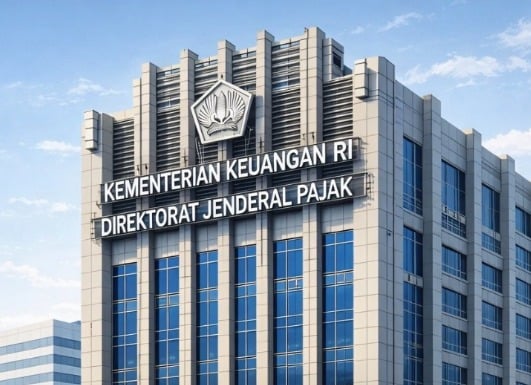
Prior to this formal circular, the DJP might have conducted pilot projects or informal collaborations in select regions to gauge the effectiveness and identify potential challenges of such an approach. These pilot phases would have provided valuable insights into the logistical requirements, the necessary level of training, and strategies for managing public perception. The nationwide rollout will then follow, requiring robust coordination between the Ministry of Finance (DJP), the Ministry of Defense (TNI), and the National Police (Polri) at both central and regional levels. A clear chain of command and communication protocols will be essential to ensure smooth operation and accountability.
Statements and Reactions
The announcement has garnered various reactions from stakeholders across Indonesia.
Directorate General of Taxes (DJP): Director General Bimo Wijayanto, while not directly quoted beyond the circular’s text, would likely emphasize the necessity of this initiative to foster a stronger tax culture and ensure fiscal sustainability. DJP officials are expected to highlight that the collaboration is not about intimidation but about enhancing reach, improving data accuracy, and promoting voluntary compliance through education and clearer communication. They would stress the importance of fair and transparent implementation, assuring taxpayers that their rights will be protected.
Ministry of Finance: As the parent ministry, the Ministry of Finance would express strong support for the DJP’s strategic move, viewing it as a critical step towards achieving the national revenue targets and reducing the persistent tax gap. Officials would underscore how increased tax compliance directly translates into greater capacity for government spending on public services and economic development, crucial for long-term national prosperity.
TNI and Polri Leadership: Leaders from the Indonesian National Armed Forces (TNI) and the National Police (Polri) are anticipated to frame their involvement as a commitment to national development and a demonstration of their role in supporting civilian government programs. They would likely emphasize that their personnel are acting in a supportive, facilitative capacity, leveraging their community presence for national benefit, rather than engaging in direct tax enforcement, which remains the sole purview of the DJP. Their statements would stress the importance of maintaining public trust and adhering to strict ethical guidelines.
Tax Experts and Academics:
- Proponents see the initiative as a pragmatic and potentially effective solution to the challenge of tax evasion and avoidance, particularly in the informal sector and remote areas. They argue that the local presence of Babinsa and Bhabinkamtibmas can significantly broaden the tax base, improve data accuracy, and increase tax literacy at the grassroots level. The human element, combined with digital data, could be a powerful combination.
- Critics and those with concerns raise questions about potential overreach, the specialized nature of tax law which security personnel may lack, and the risk of abuse of authority. They emphasize the critical need for comprehensive training, clear Standard Operating Procedures (SOPs), and robust accountability mechanisms to prevent harassment or intimidation of taxpayers. Concerns about data privacy and the blurring of lines between civilian tax administration and security functions are also likely to be voiced. The delicate balance between enforcement and maintaining public trust will be a key challenge.
Business Community and Taxpayer Associations: These groups are likely to express a mix of cautious optimism and apprehension. While acknowledging the need for fair tax collection, they would call for transparent implementation, clear communication, and a focus on education rather than punitive measures. Small and medium-sized enterprises (SMEs) and informal businesses, in particular, might voice concerns about potential bureaucratic burdens or feeling unduly scrutinized. They would advocate for accessible channels for clarification and dispute resolution.
Broader Impact and Implications
The integration of Babinsa and Bhabinkamtibmas into tax compliance oversight carries significant broader implications for Indonesia.
Fiscal Revenue and Tax Base Expansion: The most direct impact is the potential for a substantial increase in state revenue. By identifying unregistered taxpayers and ensuring greater compliance from registered ones, the DJP could significantly narrow the tax gap. This expanded revenue base would provide the government with more resources to invest in critical sectors such as education, healthcare, infrastructure, and social safety nets, directly contributing to national development goals.
Governance and Public Trust: This initiative represents a novel approach to governance, involving security forces in a civilian administrative function. The success of this model will heavily depend on the careful execution of the strategy. It has the potential to enhance public trust in government institutions if implemented transparently, fairly, and with a strong emphasis on service and education. Conversely, any instances of perceived overreach, harassment, or lack of professionalism could erode public trust and undermine the entire program. Strict oversight and accountability mechanisms will be paramount.
Economic Impact: A more robust tax collection system can create a more level playing field for businesses. Businesses that comply with tax laws often face unfair competition from those in the informal sector or those that evade taxes. By bringing more entities into the formal tax system, the initiative could foster fairer competition and encourage formalization of the economy, which in turn can lead to better working conditions, access to finance, and overall economic growth.
Precedent for Inter-Agency Cooperation: This collaboration could set a precedent for future inter-agency cooperation in other administrative or development programs, leveraging the extensive networks of the TNI and Polri for non-security objectives. It highlights the government’s willingness to deploy all available state resources to achieve national priorities, albeit with the crucial need to maintain appropriate boundaries and roles.
Challenges Ahead:
- Training and Expertise: Ensuring that thousands of Babinsa and Bhabinkamtibmas personnel, whose primary training is in security and community order, are adequately equipped with basic tax knowledge and communication skills will be a monumental task.
- Coordination: Effective coordination between the DJP and the security forces at various administrative levels will be crucial. Clear communication channels, shared data protocols, and defined reporting structures are essential.
- Public Education: Extensive public education campaigns will be necessary to inform citizens about the new roles of Babinsa and Bhabinkamtibmas in tax matters, dispel misconceptions, and explain the benefits of compliance.
- Legal Frameworks: While the circular provides administrative guidance, ensuring the initiative operates strictly within existing legal frameworks for tax administration and human rights will be critical.
In conclusion, the DJP’s decision to involve Babinsa and Bhabinkamtibmas in tax compliance oversight is a bold and strategic move aimed at addressing Indonesia’s long-standing tax challenges. While promising significant potential for expanding the tax base and enhancing revenue collection, its success will ultimately hinge on meticulous planning, comprehensive training, transparent implementation, and a steadfast commitment to protecting taxpayer rights and fostering public trust. The coming months and years will reveal the full impact of this ambitious nationwide initiative on Indonesia’s fiscal landscape and its broader governance paradigm.