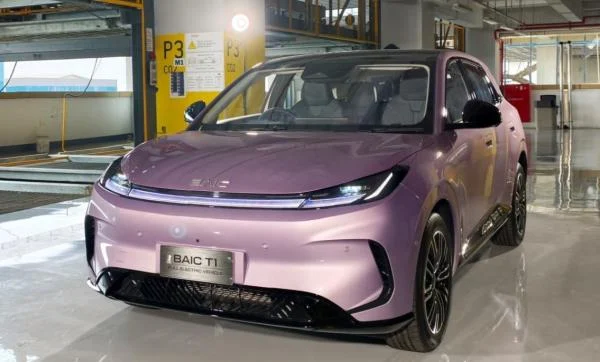
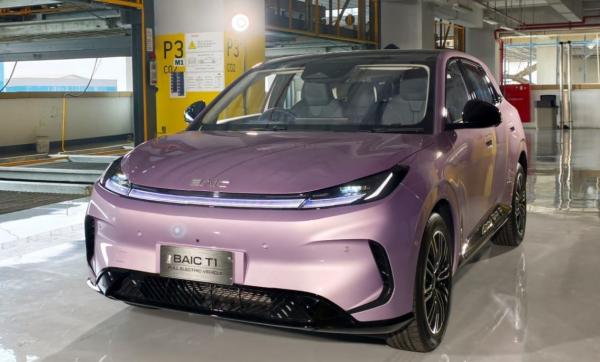
BAIC Indonesia has equipped its latest electric vehicle, the BAIC T1, with a suite of modern technologies designed to simplify the driving experience for users. Among its standout features is the Intelligent Parking Assist (IPA) system, which enables the vehicle to park itself autonomously, relieving the driver of the need to control the steering wheel or pedals. This advanced functionality is particularly beneficial in congested parking areas or tight spaces, offering a seamless solution for drivers navigating challenging parking scenarios.
The IPA system is engineered to handle both parallel and perpendicular parking maneuvers with precision. It takes full control of the vehicle’s steering, accelerator, and braking systems, executing the parking sequence automatically. This technological integration underscores BAIC’s commitment to leveraging innovation in electric mobility to enhance user comfort and safety.
Understanding the Intelligent Parking Assist System
The operational mechanism of the Intelligent Parking Assist system on the BAIC T1 is designed for user-friendliness and efficiency. The driver initiates the process by driving the vehicle at a low speed while searching for an available parking slot. Integrated sensors embedded within the BAIC T1 continuously scan the vehicle’s surroundings, identifying suitable and safe parking spaces.
Once a suitable spot is detected, the driver simply needs to interact with the vehicle’s head unit display. Tapping the "Parking Assistance" icon and confirming the selection by pressing a designated button activates the system. From this point forward, the BAIC T1 independently manages the entire parking maneuver, including precise steering adjustments, speed control, and braking, ensuring the vehicle is positioned accurately and safely within the designated space.
Upon successful completion of the parking process, the IPA system automatically engages the transmission into Park (P) mode, securing the vehicle. Furthermore, the system is not only adept at parking the vehicle but can also assist in maneuvering the car out of tight parking spots, mitigating concerns about limited spatial clearance and potential vehicle damage. This dual capability enhances the overall convenience and stress-free operation of the BAIC T1 in urban environments where parking can often be a significant challenge.
The Growing Demand for Advanced Driver-Assistance Systems in EVs
The inclusion of sophisticated features like Intelligent Parking Assist in the BAIC T1 reflects a broader trend within the automotive industry, particularly in the electric vehicle (EV) sector. As consumers increasingly embrace electric mobility, there is a growing expectation for EVs to offer not just environmental benefits but also cutting-edge technology that enhances convenience, safety, and the overall driving experience.
Advanced Driver-Assistance Systems (ADAS) have become a key differentiator for automakers. Features such as adaptive cruise control, lane-keeping assist, automatic emergency braking, and autonomous parking are no longer considered luxury add-ons but essential components for modern vehicles, especially those positioned in the premium or technologically advanced segments.
The global market for ADAS is experiencing substantial growth. Reports indicate a compound annual growth rate (CAGR) of over 10% for the ADAS market, driven by increasing vehicle safety regulations, consumer demand for enhanced safety features, and technological advancements in sensors, cameras, and artificial intelligence. The integration of such systems is crucial for automakers looking to capture market share and meet the evolving expectations of discerning buyers.
BAIC’s Strategic Vision for Electric Mobility in Indonesia
BAIC Indonesia’s introduction of the T1 with its advanced IPA system is a strategic move to position itself competitively in the burgeoning Indonesian EV market. Indonesia, with its large population and increasing awareness of environmental issues, presents a significant opportunity for electric vehicle adoption. The government has also been actively promoting the transition to EVs through various incentives and policies aimed at reducing carbon emissions and fostering domestic EV production.
The BAIC T1, by offering advanced features at what is presumably a competitive price point, aims to appeal to a wide range of consumers, from early adopters of technology to those seeking practical and convenient urban transportation solutions. The focus on parking assistance directly addresses a common pain point for drivers in densely populated urban areas like Jakarta, where parking can be a daily challenge.
The timeline for the BAIC T1’s market entry and its specific pricing strategy will be critical factors in its success. However, the emphasis on intelligent technology, coupled with the inherent benefits of electric propulsion – such as lower running costs and reduced emissions – provides a strong foundation for its appeal. BAIC’s investment in such features signals a commitment to providing vehicles that are not only environmentally friendly but also technologically sophisticated and user-centric.

The Future of Autonomous Parking and Its Implications
The continuous development and integration of autonomous parking systems like the one in the BAIC T1 point towards a future where driving becomes increasingly automated. While fully autonomous driving is still some years away from widespread public adoption, advanced parking assist features represent a significant step in that direction.
Key implications of such technologies include:
- Enhanced Safety: By reducing human error, which is a leading cause of vehicle accidents, autonomous parking systems can contribute to fewer collisions, especially in confined spaces.
- Increased Accessibility: These features can be particularly beneficial for elderly drivers or individuals with mobility challenges, making driving more accessible and less physically demanding.
- Optimized Urban Planning: As parking becomes more efficient, it could potentially lead to better utilization of urban space and reduced traffic congestion caused by drivers circling for parking.
- Technological Advancement: The ongoing refinement of these systems fuels innovation in areas like sensor technology, AI algorithms, and vehicle-to-everything (V2X) communication, paving the way for more advanced autonomous capabilities.
However, challenges remain. Ensuring the reliability and safety of these systems in all weather conditions and complex environments is paramount. Public trust and acceptance of autonomous features also need to be cultivated through education and proven performance. Regulatory frameworks will also need to adapt to accommodate the increasing levels of automation in vehicles.
Contextualizing BAIC’s Move within the Indonesian EV Landscape
The Indonesian government has set ambitious targets for EV adoption, aiming for a significant percentage of new vehicle sales to be electric in the coming years. This policy push, combined with a growing middle class and increasing environmental consciousness, has spurred interest from various automotive manufacturers, both local and international.
BAIC, as a Chinese automotive giant with a growing international presence, is strategically leveraging its technological capabilities to tap into this promising market. The BAIC T1’s introduction, therefore, should be viewed not just as the launch of a new car model, but as part of a larger strategy to establish a strong foothold in the Indonesian electric vehicle ecosystem.
The inclusion of features like the Intelligent Parking Assist is a deliberate choice to differentiate BAIC vehicles from competitors and to offer tangible benefits that resonate with Indonesian consumers. The Indonesian market, while growing, is also competitive, with established players and new entrants vying for market share. BAIC’s approach, focusing on technology and convenience, is a calculated strategy to capture attention and build brand loyalty.

Supporting Data and Market Trends
- Global EV Market Growth: The global electric vehicle market has witnessed exponential growth in recent years. Projections suggest that EV sales will continue to rise significantly, driven by declining battery costs, expanding charging infrastructure, and government support. For instance, the International Energy Agency (IEA) has reported record EV sales globally, indicating a strong upward trend.
- ADAS Market Expansion: The ADAS market is projected to reach hundreds of billions of dollars globally in the coming decade. This growth is fueled by increasing consumer demand for safety features and the push towards autonomous driving.
- Indonesian Government Initiatives: The Indonesian government has introduced policies such as tax incentives for EV manufacturers and buyers, the development of charging infrastructure, and targets for local EV production. These initiatives aim to accelerate the transition to electric mobility and position Indonesia as a regional hub for EV technology.
- Consumer Preferences in Indonesia: Surveys and market analyses in Indonesia often highlight consumer interest in fuel efficiency, advanced technology, and modern design when considering new vehicle purchases. Features that simplify daily driving, such as parking assistance, are likely to be well-received.
Analysis of Implications for Consumers and the Market
The introduction of the BAIC T1 with its advanced Intelligent Parking Assist system has several implications for consumers and the broader automotive market in Indonesia.
For Consumers:
- Increased Choice and Innovation: Consumers gain access to more technologically advanced electric vehicle options, pushing the boundaries of what is expected in this segment.
- Enhanced Driving Experience: The IPA system directly addresses common driving frustrations, offering a more relaxed and convenient experience, particularly in urban settings.
- Potential for Lower Entry Barriers to Advanced Tech: If priced competitively, BAIC could make advanced autonomous parking technology more accessible to a wider range of consumers.
For the Market:
- Competitive Pressure: The move by BAIC will likely pressure other manufacturers to enhance their offerings in terms of ADAS and other innovative features.
- Acceleration of EV Adoption: By offering attractive and technologically advanced EVs, BAIC can contribute to accelerating the overall adoption of electric vehicles in Indonesia.
- Shift in Consumer Expectations: As more vehicles equipped with sophisticated driver-assistance systems enter the market, consumer expectations regarding vehicle technology will continue to rise.
The BAIC T1’s Intelligent Parking Assist system is more than just a convenience feature; it’s a testament to the rapid evolution of automotive technology and BAIC’s commitment to delivering modern, user-centric electric vehicles to the Indonesian market. As the EV landscape continues to mature, features that enhance safety, convenience, and the overall driving experience will play an increasingly pivotal role in shaping consumer choices and driving market innovation.