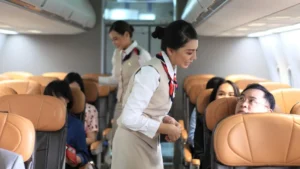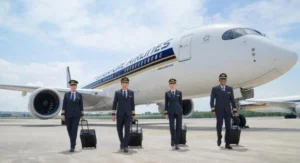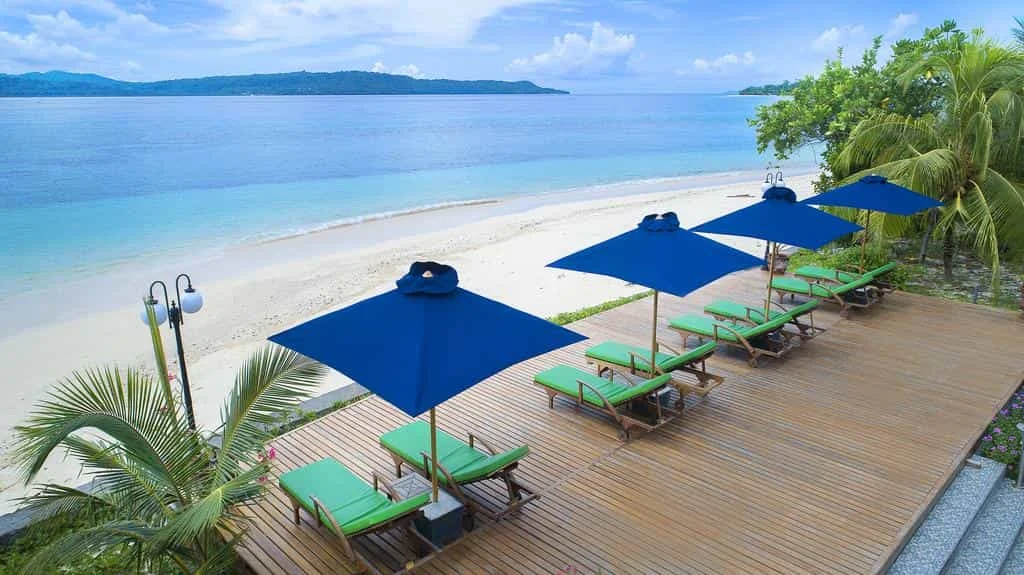
The paradigm of modern wealth accumulation and personal success has undergone a profound transformation over the past decade. While previous generations traditionally prioritized tangible financial milestones—such as securing long-term mortgages, purchasing automobiles, and building conservative savings portfolios—contemporary youth and millennial demographics are increasingly reallocating their disposable income toward experiential consumption. At the forefront of this cultural shift is lifestyle travel, a growing movement that views exploring the globe not merely as an occasional vacation, but as an essential form of self-investment and personal development.
This behavioral evolution has been accelerated by several converging socio-economic and technological factors. The proliferation of digital connectivity, remote work capabilities, and ubiquitous social media platforms has effectively dismantled traditional geographic barriers. At the same time, the global tourism sector has adapted to meet the demands of younger consumers by offering more accessible, decentralized, and adventure-oriented destinations. Consequently, exploring remote landscapes, navigating unfamiliar urban centers, and immersing oneself in foreign cultures have emerged as dominant aspirations for a generation that values memories and personal growth over material accumulation.
The Socio-Economic Drivers of Experiential Travel
To understand the rise of lifestyle travel, one must examine the broader economic landscape that has shaped the millennial and Generation Z mindset. Economic volatility, fluctuating housing markets, and changing employment structures have significantly altered how young adults perceive financial security. With traditional milestones like homeownership becoming increasingly difficult to attain in major metropolitan areas due to soaring real estate prices, younger demographics have recalibrated their financial goals. Rather than tying up capital in depreciating assets or long-term debt, they choose to invest in liquid experiences that yield immediate psychological and intellectual dividends.
Psychological research increasingly supports this behavioral shift. Numerous studies in behavioral economics indicate that experiential purchases—those made with the primary intention of acquiring a life experience—tend to provide longer-lasting happiness than material possessions. Experiences become integrated into an individual’s identity over time, fostering a deeper sense of personal fulfillment. For modern travelers, traversing unfamiliar terrains is viewed as an investment in adaptability, cross-cultural empathy, and global literacy—traits that are increasingly valued in an interconnected global economy.
Furthermore, the rise of the gig economy and remote employment models has provided unprecedented flexibility. A significant percentage of modern professionals are no longer bound by traditional nine-to-five office constraints, allowing them to adopt nomadic or semi-nomadic lifestyles. This structural change in the workforce has served as a primary catalyst for the mainstream adoption of lifestyle travel, transforming what was once considered a luxury reserved for retirees or the wealthy into an attainable lifestyle choice for working-class youth.
Shifting Paradigms: From Material Security to Psychological Enrichment
The divergence between historical financial strategies and contemporary priorities highlights a fundamental generational philosophy. Historically, financial literacy campaigns and societal expectations emphasized accumulation and preservation. Savings accounts, pension funds, and physical property served as the primary benchmarks of adulthood and stability.
However, modern sociological analyses suggest that contemporary generations place a higher premium on autonomy, self-actualization, and emotional well-being. The experiential economy thrives on the premise that youth is a fleeting period best utilized for active exploration rather than passive accumulation. Proponents of lifestyle travel argue that the knowledge gained from navigating foreign transit systems, overcoming language barriers, and witnessing diverse socio-economic realities provides an education that cannot be replicated within a classroom or office environment.
This mindset does not necessarily translate to fiscal irresponsibility; rather, it represents a calculated reallocation of resources. Many lifestyle travelers practice rigorous budgeting, adopting minimalist living standards in their daily routines specifically to maximize their travel funds. By cutting back on non-essential material consumption at home—such as fast fashion, dining out excessively, or purchasing luxury goods—they redirect those funds toward international or domestic exploration.
Practical Frameworks for Adopting Lifestyle Travel
Transitioning into a lifestyle centered around continuous travel requires more than mere wanderlust; it demands a deliberate shift in mindset, risk assessment, and logistical preparedness. Travel industry analysts and experienced nomads generally recommend several foundational pillars for individuals seeking to integrate travel deeply into their daily lives:

Cultivating Psychological Resilience and Overcoming Hesitation
The primary barrier preventing prospective travelers from embarking on extended journeys is often psychological rather than financial. Fear of the unknown, anxiety regarding safety, and societal pressure to maintain a conventional lifestyle frequently deter individuals from taking action. Successful lifestyle travelers emphasize the necessity of overcoming these mental roadblocks. The reality of modern global travel is that infrastructure in most parts of the world is remarkably well-developed, and remote areas are often far more welcoming and secure than mainstream media portrayals suggest. Developing a mindset of proactive problem-solving rather than passive worry is essential for anyone looking to step outside their comfort zone.
Adopting Fluid Itineraries and Adaptive Planning
While meticulous itinerary planning is standard practice for traditional holidaymakers, lifestyle travelers often advocate for a more flexible approach. Over-scheduling can lead to frustration when inevitable disruptions occur—such as transportation delays, inclement weather, or unexpected local events. Embracing a fluid schedule allows travelers to capitalize on spontaneous opportunities, linger longer in locations that resonate with them, and immerse themselves more authentically in local communities. This adaptability not only reduces travel-related stress but also opens doors to unique cultural exchanges that rigid itineraries frequently preclude.
Mastering Cross-Cultural Adaptability
A successful long-term travel lifestyle is fundamentally rooted in cross-cultural competence. Unlike short-term tourists who remain within insulated resort bubbles or guided tour groups, lifestyle travelers frequently interact directly with local populations, utilize public transportation, and engage with regional customs. Developing a high degree of cultural sensitivity, patience, and observational skill is critical. Whether navigating linguistic differences or respecting traditional social norms, the ability to adapt to diverse social environments is the single most valuable asset a modern traveler can possess.
Broader Impacts and Industry Implications
The mainstreaming of lifestyle travel has sent ripples across multiple commercial sectors, forcing traditional industries to adapt to shifting consumer demands. The hospitality industry, for instance, has witnessed a massive surge in demand for accommodations that cater to long-term stays, digital nomads, and solo travelers—such as boutique hostels, co-living spaces, and hybrid hotels equipped with robust co-working facilities.
Similarly, the aviation and transportation sectors have seen an increased demand for flexible booking options, open-jaw tickets, and regional connectivity. Travel insurance providers have also had to innovate, introducing specialized policies tailored to long-term international travelers, digital nomads, and adventure sports enthusiasts.

From a socio-cultural perspective, this trend has fostered greater global awareness among younger demographics. Exposure to diverse living conditions, environmental challenges, and socio-economic disparities often translates into heightened civic engagement and environmental consciousness. Many lifestyle travelers return from their journeys with a deeper commitment to sustainable practices, wildlife conservation, and support for local artisan economies.
Conclusion: The Enduring Value of the Journey
As the global landscape continues to evolve, the movement toward experiential living and lifestyle travel shows no sign of abating. By prioritizing personal growth, cross-cultural understanding, and psychological enrichment over traditional material assets, modern generations are redefining the very concept of wealth. While the logistical framework of travel requires courage, adaptability, and careful resource management, the dividends—measured in broadened perspectives, resilience, and lifelong memories—remain unmatched. Ultimately, lifestyle travel serves as a powerful reminder that the most enduring investments are those made in oneself.