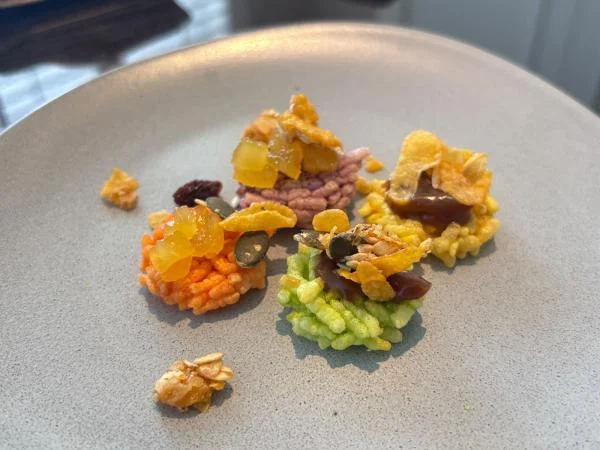
The exploration of authentic regional cuisine often leads travelers into the bustling heart of local night markets or the refined atmosphere of high-end culinary establishments. However, for those traversing the lush landscapes of Northern Thailand, the most profound gastronomic discoveries frequently occur in the most intimate of settings: the hotel suite. During a recent collaborative expedition between iNews.id and the airline Scoot, a unique encounter with Khao Taen at the Kahavadi Chiang Rai, Curio Collection by Hilton, revealed how modern luxury hospitality is increasingly leveraging traditional heritage to offer guests a deeper connection to local culture.
The Cultural Significance of Khao Taen
Khao Taen, often referred to as "Thai rice crackers," serves as a cornerstone of Northern Thai snacking culture. While visually reminiscent of the Indonesian rengginang—a sun-dried, deep-fried glutinous rice cracker—Khao Taen possesses a distinct profile defined by its regional provenance. Traditionally crafted by soaking sticky rice in watermelon juice, which imparts a subtle sweetness and acts as a binding agent, the rice is then pressed into circular molds and dried under the intense Northern Thai sun before being fried to a delicate, airy crispness.
In the context of Chiang Rai, a province historically rooted in the Lanna Kingdom, food is an expression of history. The transition of Khao Taen from a humble rural snack to a curated welcome amenity in luxury hospitality reflects a broader trend in the Thai tourism sector: the "localization" of the guest experience. By presenting this traditional snack, hotels are not merely providing refreshments; they are curating a sensory bridge between the international traveler and the Lanna heritage.
The Evolution of the Welcome Amenity
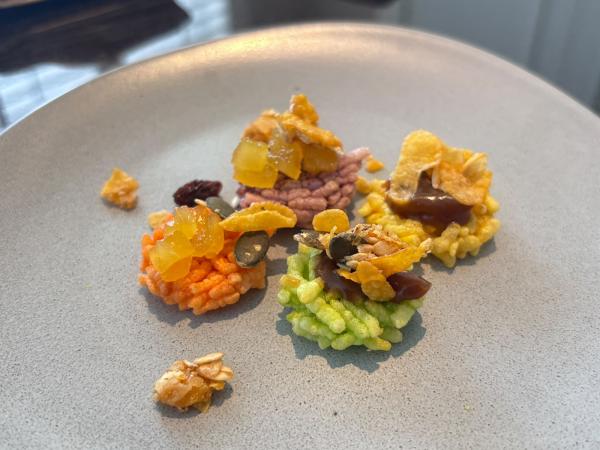
The shift toward interactive welcome amenities marks a departure from the static fruit baskets or generic chocolates that characterized luxury travel in the early 2000s. At the Kahavadi Chiang Rai, the management has opted for a "deconstructed" approach to the traditional snack. Instead of pre-assembled crackers, guests are presented with a blank canvas, allowing them to engage with the product through the application of various locally sourced toppings.
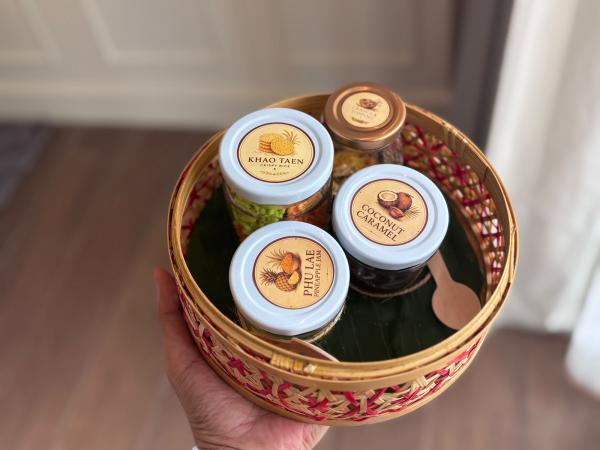
This strategy serves two primary functions: it minimizes the risk of the crackers losing their signature crunch due to pre-application of moisture-rich toppings, and it transforms a passive consumption experience into an active cultural engagement. The availability of three distinct toppings—Phu Lae pineapple jam, coconut caramel, and granola—highlights the agricultural diversity of the Chiang Rai region.
The Ingredients of the North: A Gastronomic Breakdown
The selection of toppings provided at the property is a deliberate showcase of Northern Thailand’s natural resources:
- Phu Lae Pineapple: Native to the Chiang Rai province, the Phu Lae pineapple is renowned for its petite size, intense sweetness, and low acidity. By processing this fruit into a jam, the hotel highlights the region’s agricultural prowess.
- Coconut Caramel: This component represents the bridge between Thai and Southeast Asian culinary traditions. The inclusion of palm sugar—derived from the sugar palm—provides a deep, earthy sweetness that balances the starch-heavy profile of the glutinous rice.
- Granola: While contemporary in its origin, the inclusion of granola speaks to the globalized palate of the modern luxury traveler, ensuring that the traditional base of the Khao Taen remains accessible to those unaccustomed to exclusively traditional flavor profiles.
Chronology of the Trip: An Integrated Travel Experience
The journey, facilitated by Scoot, underscores the logistical convenience of modern air travel in linking regional hubs like Chiang Rai with international tourism markets. The itinerary was designed to move beyond the superficial aspects of tourism, emphasizing "slow travel" and immersive experiences.

- Arrival and Immersion: Upon landing in Chiang Rai, the initial phase of the trip focused on acclimation to the Lanna lifestyle, starting with the hotel environment.
- The Culinary Showcase: The afternoon of the first day was dedicated to understanding the role of the hotel as a cultural mediator. The interaction with the Khao Taen amenity served as a quiet, reflective prelude to the more public culinary explorations planned for the following days, which included visits to local markets and traditional Lanna cooking workshops.
- Market Analysis: Observations at the local markets confirmed that Khao Taen remains a staple, yet its presentation in the hotel environment elevated its status, suggesting that even traditional snacks can be effectively repositioned as "gourmet" items through thoughtful curation.
Market Implications: Hospitality and Local Economies
The professionalization of traditional snacks like Khao Taen in luxury hotel settings has significant economic implications for local artisans. When large international hotel groups, such as the Hilton brand, incorporate local products into their high-end guest experience, they create a sustainable demand for traditional producers.
According to tourism industry analysts, this "farm-to-hotel" pipeline is essential for preserving indigenous culinary techniques. When producers see a consistent market for high-quality, traditionally prepared Khao Taen, they are more likely to resist the transition to mass-produced, chemically-stabilized alternatives. Furthermore, this trend aligns with the "Global Sustainable Tourism Council" (GSTC) criteria, which encourage hotels to support local livelihoods and promote cultural heritage.
Comparative Analysis: Indonesia and Thailand
The experience also invites a comparison between the culinary landscapes of Thailand and Indonesia. The mention of the Indonesian rengginang is not merely anecdotal; it underscores a shared Austronesian culinary heritage. Both nations utilize glutinous rice as a primary snack base, yet the execution varies based on regional topography and available ingredients.
Where Indonesian rengginang often relies on savory profiles such as shrimp paste or garlic, Thai Khao Taen frequently leans into the synergy between sweet, salty, and crunchy textures. This comparison is particularly relevant for the Indonesian traveler, as it creates a sense of familiarity—a "home away from home" sensation that is highly valued in the hospitality industry.

The Role of Connectivity in Modern Travel
The involvement of airlines like Scoot in promoting these experiences reflects a shift in the aviation industry. Airlines are no longer merely providers of transport; they are becoming curators of the entire travel narrative. By partnering with local tourism boards and boutique hotels, airlines can offer a cohesive experience that begins the moment a passenger steps onto the aircraft and continues until they check out of their accommodation.
The data supports the efficacy of this approach. According to recent travel sentiment surveys, millennial and Gen Z travelers prioritize "authentic local experiences" over traditional amenities. The rise of social media platforms, including the growing influence of WhatsApp channels for real-time travel updates, has made these niche culinary discoveries viral content, further incentivizing hotels to invest in unique, Instagrammable, and culturally relevant experiences.
Challenges and Future Prospects
While the integration of local snacks into hotel experiences is a positive development, it faces challenges regarding scalability and standardization. Maintaining the quality of a handmade product like Khao Taen while scaling up to meet the demands of a high-occupancy hotel requires a robust supply chain that does not compromise the artisan’s traditional methods.
Furthermore, there is a delicate balance to be struck between modernizing a product and diluting its authenticity. The inclusion of granola, for instance, is a successful adaptation for a global audience, but future iterations must ensure that the core identity of the snack remains rooted in the Lanna tradition.
Conclusion: A Reflection on Globalized Gastronomy
The simple act of assembling a snack in a hotel room in Chiang Rai serves as a microcosm of the modern travel experience. It reflects a world where international luxury standards meet local heritage, and where the guest is invited to participate in the storytelling of the destination.
As travelers continue to seek meaning beyond the standard sightseeing circuit, the role of such curated culinary moments will only grow in importance. The Khao Taen experience at the Kahavadi Chiang Rai is a testament to the fact that when hospitality is executed with intent, even the smallest of snacks can become a powerful vehicle for cultural exchange, economic empowerment, and personal discovery. In the quiet transition from the airport to the room, the discovery of a simple rice cracker becomes a profound realization: the essence of a destination is often found not in the grand monuments, but in the textures, tastes, and traditions offered in the palms of our hands.