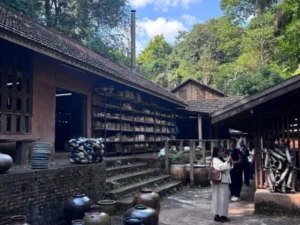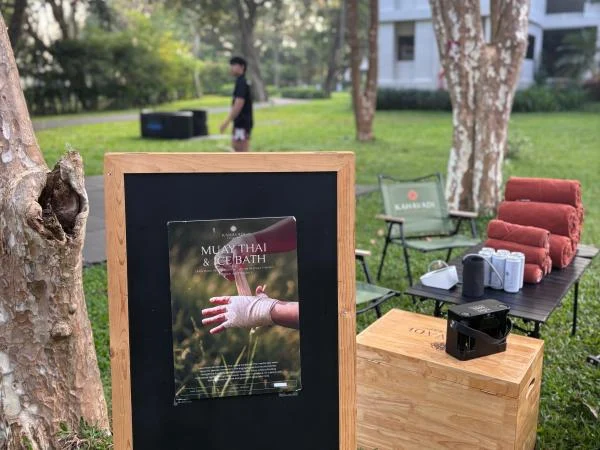
Visiting Thailand remains incomplete without engaging with its most profound cultural legacy, Muay Thai. Often referred to as the "Art of Eight Limbs," this martial art form serves as more than just a display of physical prowess; it is a sophisticated discipline that blends technical precision, mental fortitude, and profound self-control. During a recent media excursion to Chiang Rai in Northern Thailand, facilitated by Scoot, the experience of Muay Thai was redefined, moving away from the conventional, high-intensity atmosphere of a metropolitan gymnasium to the serene, verdant surroundings of the Kahavadi Chiang Rai Curio Collection by Hilton.
The Evolution and Cultural Significance of Muay Thai
Muay Thai, or "Thanon Thai," has evolved over centuries from a battlefield tactic used by Siamese soldiers into a globally recognized sport. Historically, it was developed during the Sukhothai period (roughly the 13th to 15th centuries) as a form of unarmed combat for warriors who had lost their weapons on the battlefield. The discipline utilizes punches, kicks, elbows, and knee strikes, utilizing the human body as a weapon system.
In modern Thailand, the sport is a cornerstone of national identity. It is not merely a method of defense but a pedagogical tool that teaches respect, discipline, and endurance. According to the Tourism Authority of Thailand (TAT), Muay Thai tourism has seen a significant surge in the post-pandemic era, as travelers increasingly seek "experiential tourism"—activities that allow them to participate in the local culture rather than merely observing it from the sidelines.
A Departure from Tradition: The Open-Air Training Experience
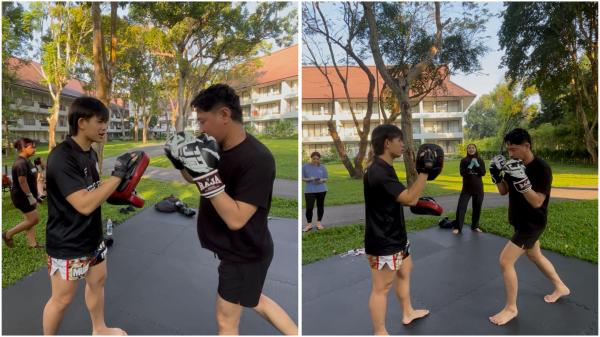
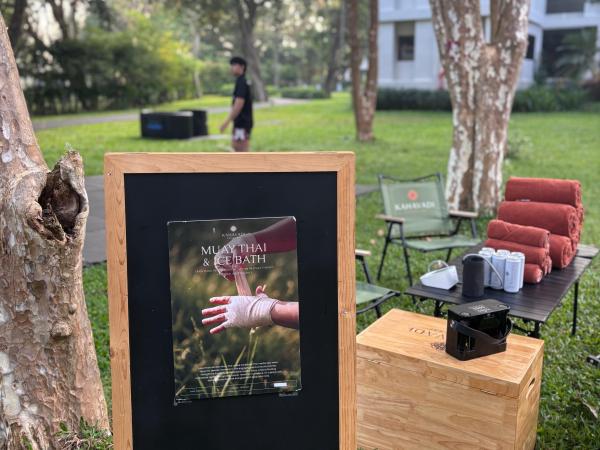
The training session in Chiang Rai provided a stark contrast to the traditional Muay Thai experience. Typically, training occurs in indoor "camps" or "gyms," where the environment is characterized by the rhythmic sound of heavy bags being struck, the sharp commands of trainers, and the palpable heat of concentrated exertion. However, the session at the Kahavadi Chiang Rai property took place in an open-air garden, framed by the lush foliage characteristic of Thailand’s northern highlands.
The timing of the session—early morning—was intentional. As the sun began to filter through the canopy, the grass remained damp with dew, and the ambient noise of the urban environment was replaced by the morning chorus of local birdlife. This setting offered a meditative quality to the physical exertion. For practitioners, the environment in which one trains can significantly alter the mental state. By moving the training to a natural, tranquil setting, the focus shifted from pure competitive intensity to a holistic approach, emphasizing the mind-body connection that is central to the philosophy of the sport.
The Mechanics of the Sport: Techniques and Discipline
The instructor-led session emphasized the foundational movements of Muay Thai. Despite the serene surroundings, the technical demands of the sport remained unchanged. Participants were guided through the "Wai Kru," a ritual dance performed by fighters before a match to show respect to their teachers and the sport’s spiritual roots.
The technical breakdown of the session included:

- The Stance (Jod Muay): Maintaining balance and protecting the body.
- The Jab and Cross: Establishing distance and setting up combinations.
- The Roundhouse Kick: The quintessential Muay Thai movement, requiring hip rotation and power transfer.
- The Clinch: A unique aspect of the sport involving upright grappling to control an opponent’s posture.
The integration of these techniques in a peaceful environment allowed for a deeper appreciation of the biomechanics involved. Experts in martial arts physiology note that training in natural, cooler environments—such as the elevated climate of Chiang Rai compared to the humid coastal regions—can improve endurance and focus, allowing for longer, more deliberate training sessions.
Economic and Tourism Implications of Martial Arts Tourism
The decision by luxury hospitality providers like the Curio Collection by Hilton to integrate Muay Thai into their guest programs reflects a broader trend in the hospitality sector. "Sport-cation" or "Wellness-tourism" is a growing segment of the global travel market, projected to grow at a compound annual growth rate (CAGR) of over 10% through 2030.
For Thailand, this represents a strategic effort to decentralize tourism. While Bangkok, Phuket, and Chiang Mai remain the primary hubs, the integration of high-value experiences in regions like Chiang Rai encourages longer stays and higher spending. By diversifying the tourism product, Thailand aims to attract a more diverse demographic, ranging from fitness enthusiasts to those seeking cultural enrichment.
Local Perspectives and Sustainable Growth
The inclusion of traditional crafts and martial arts in travel itineraries also serves a social function: the preservation of heritage. By employing local trainers and instructors, the tourism sector provides a sustainable economic lifeline for those who have dedicated their lives to the mastery of Muay Thai.

A local instructor involved in the program remarked that seeing foreigners engage with the art form in the open air allows them to understand that Muay Thai is not just about the aggression seen in stadium fights, but about the "Muay" (the discipline) and the "Thai" (the spirit of the nation). This sentiment is shared by cultural historians who argue that the internationalization of the sport, when done with cultural sensitivity, strengthens its legacy rather than diluting it.
Chronology of the Experience
The morning was structured to maximize both physical activity and cultural appreciation:
- 06:30 AM: Arrival at the garden, characterized by the cool morning mist of Northern Thailand.
- 07:00 AM: Commencement of warm-up exercises, incorporating Thai yoga (Reusi Dat Ton) to prepare the joints and muscles.
- 07:30 AM: Technical drills focusing on the "Eight Limbs," emphasizing form over force.
- 08:15 AM: Cool-down and meditation, allowing participants to reflect on the historical context of the movements learned.
- 09:00 AM: Conclusion of the session, transitioning to a traditional breakfast featuring local Northern Thai (Lanna) ingredients.
Analysis: Beyond the Physical
The shift toward "mindful martial arts" is an interesting development. Historically, the brutality of the ring has often overshadowed the spiritual and mental components of the discipline. However, the rise of holistic travel suggests that modern travelers are looking for activities that provide a sense of groundedness.
The Chiang Rai experience demonstrated that Muay Thai is inherently adaptable. Whether in a high-stakes stadium or a quiet garden, the core tenets—patience, respect, and the relentless pursuit of self-improvement—remain constant. This adaptability is likely what will ensure the sport’s continued relevance in the 21st century.
Conclusion
As the travel industry continues to evolve, the blending of traditional cultural practices with high-end, immersive travel experiences is set to become the gold standard. For the visitor, the opportunity to train in a way that respects the history of the land—away from the noise and into the stillness—provides a perspective that is impossible to replicate in a standard gym.
The experience in Chiang Rai serves as a microcosm for the potential of Thai tourism: a move toward deeper, more meaningful engagement with local traditions. As the sun rose higher over the trees, the physical fatigue of the training session was quickly forgotten, replaced by a sense of accomplishment and a deeper understanding of the "Art of Eight Limbs." For those seeking to truly understand the heartbeat of Thailand, looking beyond the popular tourist trails and into the disciplined, rhythmic world of Muay Thai is an essential step. Whether one is a novice or an experienced athlete, the lessons learned on the grass of a Northern Thai garden are as much about the self as they are about the sport.