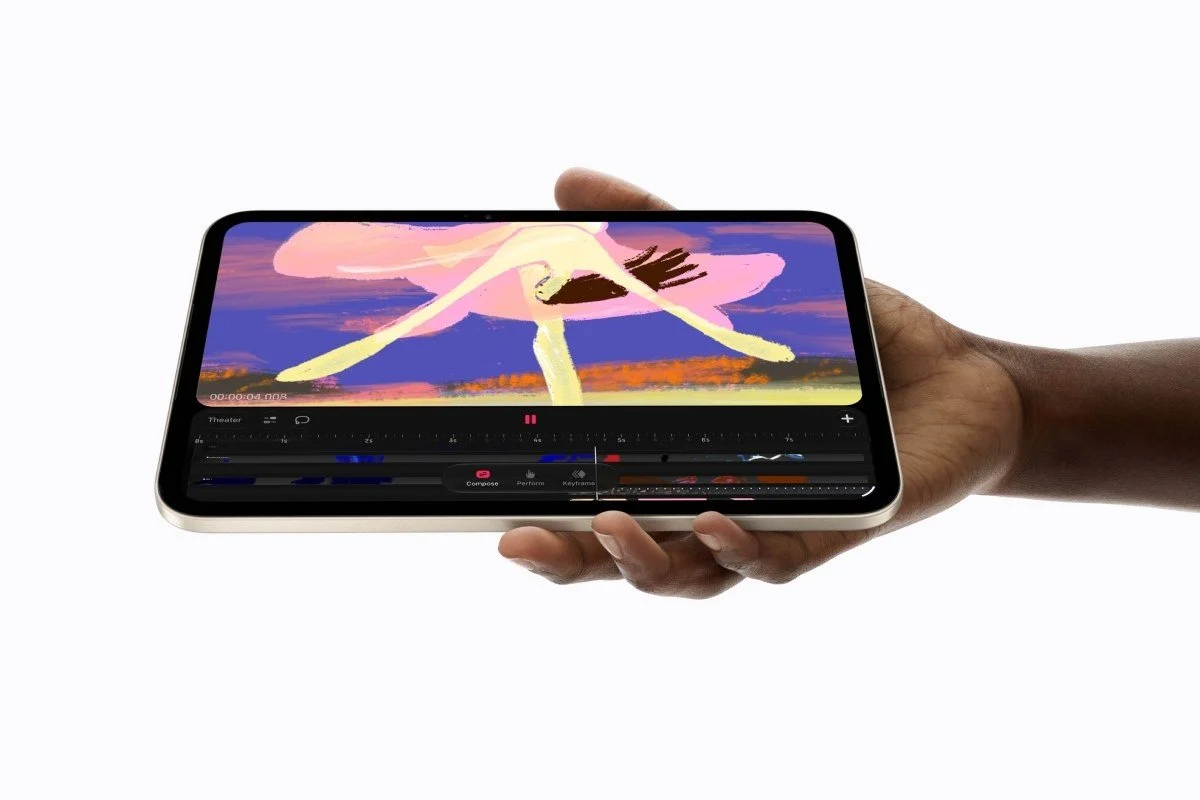
Apple has officially unveiled the latest iteration of its compact tablet, the iPad mini, marking a significant milestone for the product line by introducing OLED display technology for the first time. The new device, powered by the cutting-edge A20 Pro chipset, signifies a strategic shift in Apple’s hardware roadmap, positioning the smallest tablet in its portfolio as a high-performance productivity tool rather than a secondary media consumption device. By integrating advanced display technology and silicon performance that rivals its larger Pro siblings, Apple is addressing long-standing consumer demands for a more premium experience in a portable form factor.
The Evolution of the iPad Mini: A Historical Context
Since its inception in 2012, the iPad mini has occupied a unique niche in the tablet market. Initially designed as a more affordable, handheld alternative to the standard 9.7-inch iPad, it became a favorite among aviation professionals, field researchers, and mobile gamers. However, for several years, the line suffered from stagnation, with infrequent updates that often lagged behind the technical specifications of the flagship iPad Pro and even the iPad Air.
The previous iteration, released several years ago, brought a modern redesign but remained constrained by standard LCD technology. Industry analysts had long predicted that Apple would eventually transition its entire tablet lineup to OLED, following the successful implementation of the technology in its smartphone business. With the introduction of this new iPad mini, Apple has finally completed the cycle of bringing its most advanced display technology to the smaller chassis, effectively blurring the lines between the "mini" moniker and "pro" performance.
Technical Specifications and Performance Disparity
The inclusion of the A20 Pro chip is perhaps the most notable internal upgrade, providing the device with significant headroom for intensive tasks such as on-device machine learning, high-fidelity video editing, and complex graphic rendering. However, the release has sparked discussion regarding the hardware tiering strategy employed by Apple.
The new iPad mini is available in three storage configurations: 128GB, 256GB, and 512GB. Notably, the 128GB and 256GB models utilize a "binned" version of the A20 Pro CPU. While the top-tier 512GB model features a six-core CPU, the smaller storage models are limited to five cores. Furthermore, the base and mid-tier models feature a reduced NPU (Neural Processing Unit) capacity, offering only half the performance of the 512GB variant. This segmentation suggests that Apple is positioning the 512GB model as a "workstation-lite" device for creative professionals who require the full extent of the A20 Pro’s capabilities, while the lower storage tiers are marketed toward general consumers who prioritize portability over raw computing power.
Display Innovation: The OLED Transition
The centerpiece of this announcement is the 8.5-inch Super Retina XDR OLED display. Boasting a resolution of 2,316 x 1,512 pixels, the screen represents a significant leap in color accuracy, contrast ratios, and power efficiency compared to previous Liquid Retina LCDs. Despite the premium nature of the OLED panel, the device maintains a 60Hz refresh rate. The absence of ProMotion—Apple’s 120Hz variable refresh rate technology—remains a point of contention for power users, yet the visual fidelity provided by the OLED panel is expected to satisfy the vast majority of target users.
The display’s peak brightness of 1,200 nits ensures usability in high-glare environments, a critical feature for a device intended for mobile use. Additionally, the option for a nano-texture glass finish—previously reserved for high-end desktop monitors and the latest iPad Pro models—provides a matte-like anti-reflective surface that drastically improves readability under direct light. By thinning the bezels, Apple has managed to increase the active display area without increasing the overall footprint of the device, maintaining the "mini" form factor that has been the product’s primary selling point for over a decade.
Acoustic Engineering and Design Refinements
Beyond the internal silicon and display, the new iPad mini introduces a departure from traditional speaker placement. Apple has moved two of the integrated speakers to the area beneath the display, utilizing what the company describes as an "Acoustic Display" system. This configuration leverages the structural rigidity of the device to improve sound dispersion, resulting in a deeper bass response and higher volume ceiling compared to previous iterations.
A hidden tweeter, nestled between the protective glass and the aluminum chassis, provides high-frequency clarity that was previously difficult to achieve in such a compact design. This emphasis on audio quality suggests that Apple views the new iPad mini as a serious device for media creation and consumption, catering to users who demand professional-grade audio output without the need for external peripherals.
Accessory Ecosystem and Camera Integration
The device retains support for both the Apple Pencil Pro and the standard USB-C Apple Pencil, ensuring compatibility with the latest input tools. The front-facing 12MP camera, positioned in a landscape orientation, continues to feature the Center Stage functionality. This software-driven feature keeps users centered during video calls, which has become a standard requirement in the current hybrid-work environment. The integration of this camera orientation reinforces the intended use case of the device: landscape-first for meetings, creative work, and multimedia streaming.
Industry Implications and Market Strategy
Market analysts observing the launch have noted that Apple’s decision to segment the A20 Pro chip performance based on storage capacity is a strategic move to manage supply chain costs while simultaneously driving consumers toward higher-margin, high-capacity models. This "binned chip" strategy is not entirely new to the industry, but its application in the tablet market highlights the increasing complexity of Apple’s chip manufacturing processes.
Furthermore, the lack of ProMotion at this price point suggests that Apple is carefully guarding its "Pro" branding. By keeping the 120Hz display technology exclusive to the iPad Pro line, Apple maintains a clear hierarchy that guides purchasing decisions. However, the addition of the OLED display and the nano-texture option is expected to drive significant upgrade interest among current iPad mini users who have been waiting for a meaningful refresh.
Chronology of the iPad Mini Lineup
To understand the trajectory of this release, one must look at the timeline of the iPad mini’s development:
- 2012: Original iPad mini launches, defining the small-tablet category.
- 2013-2019: Incremental updates (Retina display, Touch ID, A-series chip upgrades) maintain the device’s relevance.
- 2021: A major chassis redesign introduces the USB-C port and removes the home button, modernizing the aesthetic.
- 2026: The current launch of the OLED iPad mini with A20 Pro chipsets, signaling the transition to professional-grade hardware for the small-form-factor segment.
Conclusion: A New Standard for Small Tablets
The introduction of the new iPad mini is a testament to the enduring appeal of the compact tablet. By prioritizing high-end display technology and the latest in silicon architecture, Apple has ensured that the device remains competitive in an era where mobile productivity is paramount. While the tiered performance specifications and the omission of a high-refresh-rate screen may frustrate some power users, the overall package offers an unparalleled combination of power, portability, and visual performance.
As the device reaches consumers, the focus will shift to how the A20 Pro’s performance manifests in real-world creative applications. With its sleek design, enhanced audio capabilities, and high-quality display, the latest iPad mini stands as a formidable entry in Apple’s lineup, proving that even the smallest devices in the ecosystem can benefit from the company’s most advanced technological innovations. Whether for professional creative work or advanced mobile computing, the new iPad mini represents a significant step forward, setting a new benchmark for what is possible in a handheld tablet.