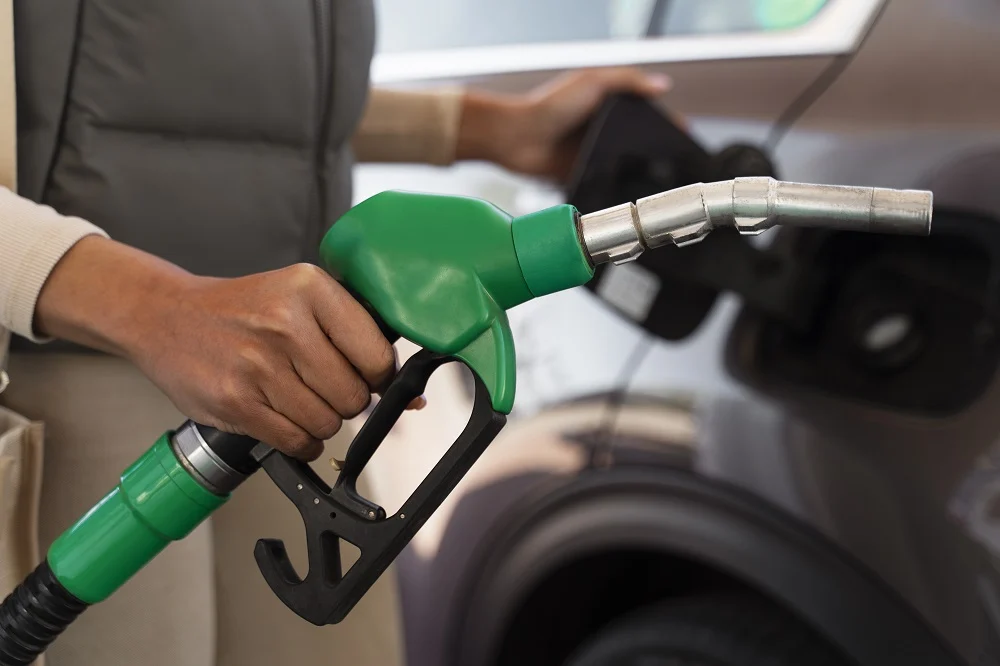
As of Friday, November 6, 2026, fuel prices across major retail stations in Indonesia—including state-owned Pertamina and private providers such as Shell, BP, and Vivo—remain stagnant. This stability marks a continuation of the pricing structure established at the beginning of the month, providing a brief period of predictability for consumers and businesses amidst the broader, often volatile landscape of global energy markets. For commuters and logistics operators, the lack of price adjustments at the pump is a notable data point in an economic climate where energy costs often dictate the inflationary trajectory of goods and services.
Current Market Landscape and Retail Pricing
The consistency in pricing observed this Friday reflects a strategic pause by fuel retailers, who are balancing domestic demand with the complexities of global oil price fluctuations. In Jakarta and surrounding areas, Pertamina—the primary market leader—continues to hold its retail prices steady across its diverse portfolio of products.
Pertamax, the most widely used gasoline for modern private vehicles, is currently retailing at Rp15,950 per liter. For those utilizing high-performance fuels, Pertamax Green 95 is positioned at Rp19,150 per liter, while the premium Pertamax Turbo remains at Rp19,600 per liter. The diesel segment, critical for the logistics and industrial sectors, sees Dexlite priced at Rp23,700 per liter, with the high-grade Pertamina Dex retailing at Rp25,200 per liter.
Crucially, the government-subsidized fuel products remain untouched. Pertalite, the most common gasoline variant in the country, holds its price at Rp10,000 per liter, and the subsidized Biosolar remains at Rp6,800 per liter. This pricing stability is a significant relief for lower-to-middle-income households and small-to-medium enterprises (SMEs) that rely heavily on these subsidized options for daily operations.
The Chronology of Pricing Stability
The current status quo follows a series of minor monthly adjustments that characterized the preceding quarter. Throughout 2026, the Indonesian fuel market has been under pressure from fluctuating geopolitical tensions in energy-producing regions and shifts in the global crude oil supply chain.
Retailers typically assess their pricing models on a monthly basis, often aligned with the mean of the Mean of Platts Singapore (MOPS) and the prevailing exchange rate of the Indonesian Rupiah against the United States Dollar. In October 2026, several providers implemented slight downward or upward revisions based on these metrics. However, entering November, the domestic market has seen a convergence where retailers have opted to maintain current levels rather than risk aggressive hikes or premature cuts. This synchronized inaction suggests that market players are currently observing global price trends before committing to their next strategic adjustment.
Comparative Analysis: Pertamina vs. Private Competitors
While Pertamina dominates the market share, the presence of Shell, BP, and Vivo provides a competitive benchmark. Private retailers often adjust their prices to compete with Pertamina’s offerings, frequently emphasizing fuel quality, additives, and service standards.
Historically, Shell and BP adjust their prices in lockstep with international market trends, sometimes acting faster than state-owned entities due to their private operational autonomy. On this particular Friday, the synchronization across all four major brands—Pertamina, Shell, BP, and Vivo—indicates a shared assessment of the current economic environment. When private retailers keep their prices steady alongside the state-owned giant, it generally signals that the cost of importing refined products has remained within a predictable range, allowing these companies to maintain margins without shifting the burden to the consumer.
Economic Implications and Inflationary Pressures
The price of fuel is intrinsically linked to the national Consumer Price Index (CPI). In Indonesia, where logistics are heavily dependent on road transport, any fluctuation in diesel or gasoline prices creates a ripple effect throughout the supply chain.

The decision to keep prices stable as of November 6, 2026, acts as a stabilizer for the national economy. When fuel prices are predictable, transportation costs for food, construction materials, and retail goods remain constant. This predictability allows businesses to plan their budgets with greater accuracy and helps prevent sudden spikes in the cost of living for the general public.
However, analysts note that while current stability is beneficial, the underlying pressure remains. The global energy sector is susceptible to sudden supply disruptions, and Indonesia’s dependence on fuel imports for a portion of its national demand means that this period of stability may be transitory. Economists continue to monitor the Indonesian Rupiah’s performance, as any significant weakening against the dollar could necessitate an increase in fuel prices in subsequent months to offset the cost of imports.
Government Policy and Subsidized Fuel Strategy
The government’s commitment to keeping subsidized fuel prices—Pertalite and Biosolar—constant is a cornerstone of its social protection policy. By maintaining these prices, the government effectively absorbs the potential impact of global oil price hikes that would otherwise disproportionately affect the poorest segments of the population.
This policy, however, carries a significant fiscal burden. The state budget (APBN) must allocate substantial funds to cover the price gap between the market cost and the subsidized retail price. Throughout 2026, the Ministry of Finance and the Ministry of Energy and Mineral Resources have engaged in rigorous monitoring to ensure that the distribution of subsidized fuel is targeted effectively. The government’s ability to maintain these prices depends on the country’s fiscal space and the overall health of the national economy.
Expert Perspectives on Future Trends
Energy analysts generally advise that consumers should not expect this period of stagnation to last indefinitely. The global energy market is currently navigating a period of supply-demand rebalancing. While current inventories are sufficient to meet demand, factors such as seasonal shifts in heating oil demand in the Northern Hemisphere and geopolitical instability in key oil-producing regions remain wildcards.
"The current pause is a reflection of market confidence in the short-term supply chain," noted a senior analyst in the energy sector. "However, fuel retailers are essentially holding their breath. If crude prices see a sustained rally over the next few weeks, we are likely to see a corresponding adjustment at the pump as retailers move to protect their operational margins."
For consumers, the advice remains consistent: while prices are stable today, fuel efficiency remains a critical aspect of personal and commercial budget management. The shift toward higher-grade fuels, like Pertamax Green 95, also reflects a broader, long-term trend of environmental consciousness and vehicle performance optimization among the urban middle class.
Preparing for Potential Volatility
As we move toward the end of the year, the public is encouraged to keep track of official announcements from the respective fuel retailers. Changes in fuel prices are typically communicated 24 to 48 hours in advance, allowing for a transition period.
In conclusion, the price of fuel on November 6, 2026, serves as a testament to the current stability of the retail market. With Pertamina, Shell, BP, and Vivo all maintaining their existing price structures, consumers can breathe a sigh of relief as they navigate their daily commutes and logistics requirements. While this stability offers a reprieve, it is framed within a broader context of global economic vigilance. The Indonesian government and private energy providers continue to manage the delicate balance between market affordability and the fiscal realities of a globalized energy sector. For now, the status quo prevails, providing a much-needed sense of security in the final quarter of the year.