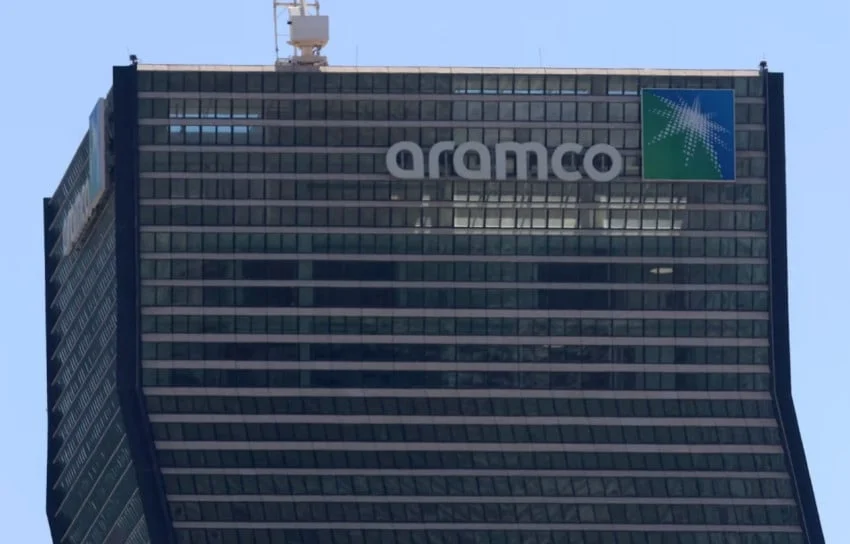
A facility belonging to the state-owned energy giant Saudi Aramco, located within Riyadh’s prestigious King Abdullah Financial District, sustained minor structural damage on Sunday, November 8, 2026, following a sophisticated aerial assault. While the Saudi Ministry of Energy confirmed that there were no casualties or injuries resulting from the incident, the strike has sent tremors through global energy markets, reigniting concerns regarding the vulnerability of critical infrastructure in the heart of the world’s leading oil-exporting nation. The attack, which involved the deployment of both ballistic and cruise missiles, underscores the escalating regional tensions that have persisted for over a decade.
Chronology of the Incident
The security breach began in the early hours of Sunday morning when air raid sirens echoed across Riyadh. According to official reports from the Saudi-led coalition tasked with restoring legitimacy in Yemen, the Kingdom’s air defense systems were activated to intercept multiple incoming projectiles. The coalition reported that several ballistic missiles and long-range cruise missiles were neutralized before reaching their primary targets. However, debris from the intercepted munitions rained down upon the capital, causing localized damage to the Saudi Aramco office complex.
The Houthi movement, an Iran-aligned insurgent group based in Yemen, swiftly claimed responsibility for the operation. A spokesperson for the Houthi military wing characterized the strike as a "legitimate defensive response" to ongoing military operations conducted by the Saudi-led coalition in Yemen. The group further alleged that their targets included not only the financial district but also strategic infrastructure at the Riyadh International Airport and various oil storage facilities situated in the capital’s outskirts.
The Regional Conflict Context
To understand the gravity of this event, one must consider the protracted nature of the conflict in Yemen. Since 2015, the Saudi-led coalition has been engaged in a multifaceted war against the Houthi rebels, who seized control of the Yemeni capital, Sanaa, in 2014. The conflict has evolved from a local civil war into a regional proxy confrontation, characterized by frequent cross-border attacks.
For the Houthi rebels, targeting Saudi Arabia’s economic nerve centers is a tactical choice designed to increase pressure on Riyadh. By aiming at assets belonging to Saudi Aramco—the world’s most profitable oil company—the insurgents seek to demonstrate the limitations of Saudi air defenses and inflict economic anxiety on the international community. This strategy has been employed intermittently over the past several years, with previous high-profile attacks on oil processing facilities, such as the 2019 Abqaiq-Khurais strike, temporarily slashing global oil production by half.
Implications for Global Energy Security
The immediate market reaction to the attack has been one of cautious volatility. As a primary supplier to global markets, any disruption to Saudi Aramco’s operations carries immediate weight. Analysts note that while the physical damage in this specific instance was described as "minor," the psychological impact on investors and energy traders is significant.
The global energy market remains highly sensitive to geopolitical developments in the Middle East. With the world navigating a delicate transition toward renewable energy while still heavily reliant on fossil fuels, the security of the Persian Gulf shipping lanes and production facilities remains a cornerstone of global macroeconomic stability. Any sustained threat to Saudi production capacity could lead to an upward spike in crude oil prices, potentially exacerbating inflationary pressures already present in the global economy.
Furthermore, the targeting of a facility in Riyadh—a city previously considered largely out of the reach of Houthi projectiles—marks a disturbing shift in the scope of the conflict. The ability of the insurgents to penetrate the capital’s airspace raises questions regarding the efficacy of current interceptor technology and the necessity for enhanced security measures around critical corporate infrastructure.

Official Responses and Security Measures
Following the incident, the Saudi Ministry of Energy issued a brief but firm statement clarifying the situation. "The building sustained minor damage due to falling debris, but there are no reports of fatalities or injuries," the statement read. Saudi officials have emphasized that production and distribution operations remain unaffected, attempting to reassure international partners and stakeholders that the integrity of the oil supply chain remains intact.
International observers and regional allies have expressed concern over the escalation. While direct official responses from major powers like the United States were not immediately issued, the incident is expected to prompt diplomatic consultations. The United Nations, which has long mediated peace efforts in Yemen, has repeatedly warned that such escalations threaten the fragility of existing ceasefires and humanitarian aid corridors.
Security experts suggest that the Saudi-led coalition will likely intensify its monitoring of the border regions and increase the deployment of advanced radar and interception batteries. However, the challenge remains the sheer volume and technical sophistication of the munitions being utilized by the Houthi forces, which have reportedly been enhanced through external technical support.
Data Analysis: The Saudi Aramco Factor
Saudi Aramco serves as the backbone of the Saudi Arabian economy, contributing a substantial portion of the nation’s GDP. Its infrastructure is massive, spanning vast oil fields, processing plants, and pipelines. The company’s resilience is a top priority for the Saudi government, as evidenced by the Vision 2030 initiative, which aims to diversify the economy away from oil.
Recent data indicates that despite regional conflicts, Saudi Aramco has maintained a robust production capacity, often serving as the "swing producer" that stabilizes global supply. A disruption to this stability, even a minor one, triggers a ripple effect. According to energy sector data, a significant outage in Saudi production can shift Brent crude prices by as much as $5 to $10 per barrel in the short term. While this incident did not cause an outage, it serves as a "stress test" for the market, reminding participants of the inherent risks of energy reliance on a conflict-prone region.
The Path Forward
As the dust settles on the King Abdullah Financial District, the incident serves as a stark reminder of the complexities surrounding energy security. The intersection of military conflict and economic dependency creates a precarious environment. For Riyadh, the immediate objective is to reinforce the protection of its civilian and commercial sectors while maintaining the continuity of its energy exports.
For the international community, the attack is a signal that the Yemeni conflict remains far from a resolution. Diplomatic efforts have struggled to find a lasting peace, and as long as the underlying political and military tensions persist, the risk of "collateral" damage to global economic interests remains high.
Moving forward, the effectiveness of air defense upgrades and the potential for renewed diplomatic pressure on the parties involved in the Yemen conflict will be the key indicators of whether such attacks can be mitigated. The resilience of Saudi Aramco’s operations, despite these threats, continues to be a focal point for global market stability, as both the Kingdom and its allies work to ensure that the flow of energy to the world remains uninterrupted.
In conclusion, while the physical scars of the Sunday attack may be minor, the geopolitical message is clear: the infrastructure supporting the global energy market is not insulated from the regional instabilities of the Middle East. As both sides prepare for potential long-term maneuvers, the world watches with bated breath, hoping that the next chapter in this conflict does not result in the major disruption that experts have long feared.