The Indonesian automotive landscape is undergoing a profound transformation as a surge of Chinese manufacturers enters the market, sparking an intense battle for dominance in the electric vehicle (EV) and internal combustion engine (ICE) segments. While many industry players have resorted to aggressive discounting and price slashing to capture market share, the Indomobil Group—a titan in the domestic automotive distribution sector—has officially distanced itself from this race to the bottom. Instead, the conglomerate, which represents a diverse portfolio of Chinese automotive giants including GAC, Maxus, Changan, Hongqi, Leapmotor, Great Wall Motor (GWM), and JAC, is pivoting toward a strategy centered on long-term brand equity, premium product quality, and robust after-sales infrastructure.
The Changing Face of the Indonesian Automotive Market
For decades, the Indonesian automotive sector was dominated almost exclusively by Japanese manufacturers such as Toyota, Honda, and Mitsubishi. However, the global shift toward electrification has created a unique opening for Chinese automakers to disrupt the status quo. Companies like Wuling, BYD, Chery, and Neta have rapidly expanded their footprint, often utilizing aggressive pricing strategies to lure budget-conscious Indonesian consumers who are curious about EV technology but hesitant regarding brand reliability.
This influx has led to what analysts describe as a "price war," where manufacturers frequently reduce sticker prices to maintain competitiveness in a crowded market. Yet, Indomobil Group, one of the most established players in the Indonesian automotive ecosystem, has signaled that it will not participate in this trend. The group’s stance highlights a potential shift in the market where long-term sustainability is being prioritized over short-term sales volume.
Strategic Vision: Quality Over Quantity
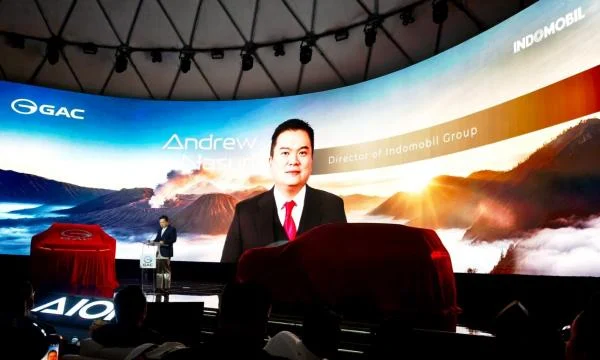
The decision to shun price wars was underscored during the recent launch of the Aion i60 SUV in Jakarta. Andrew Nasuri, Director of Indomobil Group, clarified the group’s philosophy during the event, emphasizing that the conglomerate’s primary objective is to cultivate deep-rooted trust with the Indonesian consumer base rather than competing on price alone.
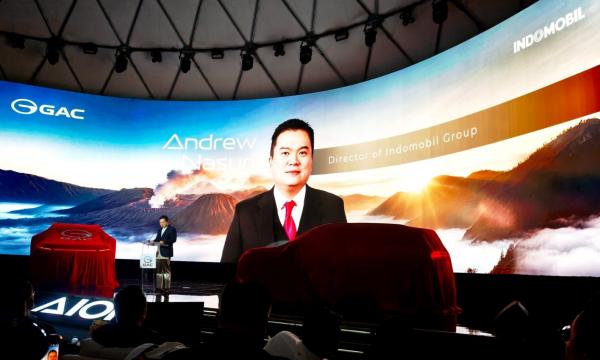
"We are not interested in a price war, as that is not the direction we want for our brand portfolio," Nasuri stated. "Our focus is on the long term. We are building a foundation based on trust, reliability, and an enduring relationship with our customers. When a customer purchases a vehicle, they are not just buying a piece of hardware; they are buying the promise of support, maintenance, and technological longevity."
This strategy suggests that Indomobil is positioning its brands—such as GWM and GAC—as premium or "value-plus" alternatives rather than budget options. By investing in the quality of the product at the design and manufacturing stages, the group hopes to mitigate the common consumer stigma that Chinese-manufactured vehicles may lack the durability of their established counterparts.
Strengthening After-Sales Infrastructure
A critical component of Indomobil’s strategy is the expansion and professionalization of its after-sales service network. In the Indonesian automotive market, consumer perception is heavily influenced by the availability of spare parts, the proximity of authorized service centers, and the technical proficiency of mechanics.
Indomobil Group’s approach recognizes that even the most advanced vehicle becomes a liability if the owner lacks access to reliable support. Consequently, the group has committed to aggressive investment in dealer networks. This expansion is designed to reassure potential buyers that, despite the newness of these brands in Indonesia, the support infrastructure is backed by the stability of a well-established local group. This focus on "ownership experience" is intended to serve as a competitive moat against rivals who may prioritize market penetration through low pricing but fail to adequately support their vehicle owners post-purchase.
Market Context and Historical Chronology
The entry of Chinese brands into Indonesia has occurred in distinct waves. Initial efforts by Chinese manufacturers in the early 2010s were met with skepticism, primarily due to concerns regarding build quality and the lack of a secondary market for used vehicles. However, the second wave—marked by the arrival of high-tech EVs—has changed the narrative.

- The Foundation Phase (2015-2019): Early entry of brands like Wuling laid the groundwork by establishing local manufacturing facilities, demonstrating a commitment to the Indonesian economy.
- The Electrification Pivot (2020-2023): As the Indonesian government introduced incentives for EV adoption, manufacturers began flooding the market with competitive electric models.
- The Saturation and Competition Phase (2024-Present): The market has become highly saturated. With multiple Chinese brands competing for the same segment of consumers, price wars became an inevitable, albeit potentially destructive, consequence of the lack of brand differentiation.
Indomobil Group’s portfolio, which spans a wide range of categories—from luxury vehicles like Hongqi to mass-market SUVs from GAC and GWM—reflects a diversified strategy that hedges against the risks inherent in any single segment of the automotive market.
Economic Implications for the Automotive Sector
The refusal of a major distributor like Indomobil to engage in price competition has significant implications for the market. Firstly, it may force competitors to rethink their own strategies. If one of the largest players in the industry stops discounting, it could lead to a stabilization of prices across the board, potentially ending the "race to the bottom" that has been hurting profit margins for dealers and manufacturers alike.
Secondly, it shifts the focus of consumer decision-making. If price is no longer the sole differentiator, Indonesian consumers will have to evaluate vehicles based on safety, technology, design, and resale value. This evolution would mirror the maturation of the Indonesian automotive market, moving away from simple price-based purchasing toward a more sophisticated, feature-led consumption model.
However, there are risks to this strategy. If consumer demand remains highly sensitive to price, Indomobil may face challenges in maintaining market share against brands that continue to undercut competitors. The success of the strategy depends entirely on the group’s ability to convince the average consumer that the "Indomobil premium" is worth the extra investment in terms of peace of mind and service quality.
Addressing the Consumer Trust Gap
The history of the automotive industry is replete with examples of brands that failed due to poor service support. By emphasizing that "quality must be a priority from the initial design phase," Indomobil is attempting to address the root cause of consumer skepticism. By maintaining a high standard for the vehicles it imports and assembles, the group is essentially acting as a quality filter, curating a selection of Chinese vehicles that meet international standards.

For the Indonesian consumer, this provides a necessary layer of protection. When a consumer buys a car from a group like Indomobil, they are relying on the group’s reputation to ensure that the vehicle has undergone rigorous testing and adaptation to Indonesia’s specific climate and road conditions—factors that are often overlooked by smaller, more transient players in the market.
Looking Ahead: The Future of Chinese Automotive Brands in Indonesia
The Indonesian automotive market is currently at a crossroads. As the government continues to push for lower emissions and higher EV adoption rates, the presence of Chinese manufacturers will only grow. Whether these brands succeed as long-term fixtures or disappear as quickly as they appeared will depend on their ability to build brand equity.
Indomobil Group’s rejection of the price war is a strategic bet on the maturity of the Indonesian consumer. By focusing on quality and service, they are signaling a belief that the market is ready to move beyond "cheap" options and toward reliable, technologically advanced vehicles.
In conclusion, the competitive landscape in Indonesia is shifting from a battle of prices to a battle of brands. With its extensive portfolio and a clear focus on long-term sustainability, Indomobil Group is positioning itself as the bridge between international innovation and local consumer needs. While the temptation to participate in price wars remains a fixture of the current economic environment, the group’s commitment to quality and after-sales support suggests a broader, more stable vision for the future of the automotive industry in Indonesia. As the dust settles on this intense period of competition, it is likely that those who prioritized the customer experience over immediate profit margins will emerge as the true leaders of the next generation of Indonesian mobility.