The landscape of the Indonesian automotive industry is set for a significant transformation as the Gaikindo Auto Week (GAW) 2026 prepares to open its doors at the Indonesia Convention Exhibition (ICE) in BSD City, Tangerang. Scheduled to run from November 20 to November 29, 2026, the exhibition serves as a critical barometer for the health of the national automotive market, which has recently shown signs of robust recovery. This year’s edition marks the fifth installment of the event since its inception in 2022, signaling a matured strategy by the Gabungan Industri Kendaraan Bermotor Indonesia (Gaikindo) to drive consumer interest and stimulate domestic sales.
A Landmark Expansion of Participating Brands
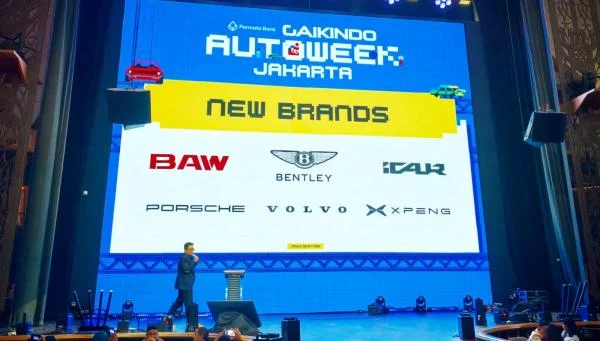
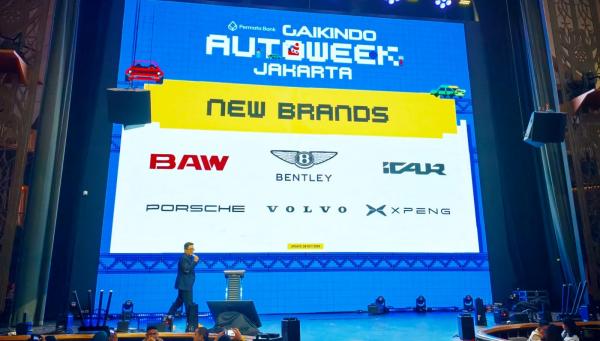
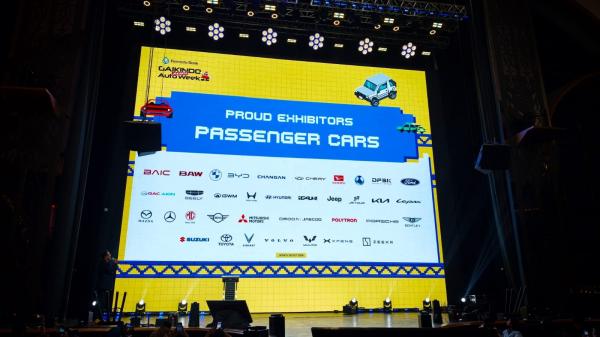
The most compelling narrative surrounding GAW 2026 is the entry of six new automotive players into the Indonesian passenger vehicle segment. Project Director of Gaikindo Auto Week 2026, Abiyoso Wietono, confirmed during a press conference in Jakarta on November 9, 2026, that the exhibition will feature over 65 brands in total. This comprehensive roster includes 36 passenger vehicle manufacturers and more than 30 participants from the supporting automotive industry, such as component suppliers, aftermarket providers, and financial institutions.
The six debutant brands—BAW, Bentley, iCar, Porsche, Volvo, and Xpeng—represent a diverse mix of ultra-luxury heritage, high-performance engineering, and cutting-edge electric vehicle (EV) technology. The inclusion of these marques is expected to diversify the choices available to Indonesian consumers and underscores the country’s growing appeal as a strategic market for both traditional luxury automakers and modern electric-focused technology firms.
The Historical Evolution of Gaikindo Auto Week
To understand the gravity of this year’s event, one must look at the trajectory of Gaikindo’s exhibition strategy. Since the inaugural GAW in 2022, the event has been designed to complement the larger Gaikindo Indonesia International Auto Show (GIIAS) by focusing more heavily on sales stimulation and consumer-centric promotions. While GIIAS often serves as a platform for global product launches and technological showcases, GAW has carved out a niche as the "sales engine" of the industry.
The 2026 iteration comes at a pivotal time. Following a reported 35.5 percent increase in national car sales during the preceding period, the industry is riding a wave of positive momentum. By organizing the exhibition simultaneously across ten cities, Gaikindo is attempting to decentralize the automotive market, ensuring that the benefits of the event reach beyond the Greater Jakarta area. This multi-city approach is a calculated move to stabilize national sales figures and sustain the momentum seen throughout the fiscal year.
The Strategic Importance of the Indonesian Automotive Market
The decision by international brands like Xpeng and iCar to enter the Indonesian market via GAW 2026 highlights the global shift toward electrification. Indonesia, possessing one of the world’s largest nickel reserves, has positioned itself as a central hub for the EV battery supply chain. The presence of these new brands, particularly those specializing in intelligent electric mobility, reflects an alignment between government incentives for EV adoption and the strategic expansion plans of international manufacturers.
Furthermore, the participation of legacy brands like Porsche and Volvo indicates that there remains a strong appetite for high-end, premium vehicles within Indonesia’s growing middle-to-upper-class demographic. By integrating these luxury brands alongside mass-market manufacturers, GAW 2026 creates a comprehensive ecosystem where consumers across all financial brackets can engage with the latest automotive technology, from fuel-efficient internal combustion engines to advanced autonomous driving systems.

Analyzing the Impact on Industry Stakeholders
Industry analysts suggest that the influx of new brands at GAW 2026 will lead to intensified competition, which historically benefits the consumer through more competitive pricing, better service packages, and a wider array of vehicle options. For the existing players, the arrival of these six competitors is a clear signal that the Indonesian market is becoming increasingly crowded and sophisticated.
"The arrival of these six brands is not just a commercial entry; it is a testament to the resilience of the Indonesian automotive market," said an industry spokesperson. "Consumers are becoming more discerning, and the presence of these brands provides a broader platform for manufacturers to showcase their commitment to quality, safety, and sustainable innovation."
The event is backed by the Ministry of Industry, which continues to provide the necessary regulatory framework to support the automotive sector’s growth. The collaboration between the government and the private sector remains the cornerstone of the national automotive policy, focusing on local content requirements (TKDN) to ensure that the industry contributes to the local economy through job creation and manufacturing efficiency.
What to Expect at the Exhibition
Visitors to ICE BSD City in late November can expect a highly immersive experience. Beyond the static displays of vehicles, GAW 2026 will feature extensive test-drive areas where potential buyers can evaluate the performance of new models. The inclusion of over 30 supporting industry brands also ensures that attendees can address their vehicle financing, insurance, and aftermarket modification needs in a single location.

The exhibition is structured to prioritize convenience, with digital ticketing systems and optimized floor plans designed to accommodate the expected high foot traffic. Furthermore, the event will host seminars and talk shows featuring industry experts, policy makers, and automotive journalists, providing a forum to discuss the future of mobility in Indonesia—specifically regarding the transition to renewable energy and the development of intelligent transportation infrastructure.
The Road Ahead: 2026 and Beyond
As the industry looks toward the end of 2026, the success of GAW 2026 will likely serve as a roadmap for the following year. The ability of the exhibition to maintain high visitor numbers and facilitate significant transaction volumes will be a critical indicator of whether the current 35.5 percent growth trend is sustainable.
Moreover, the debut of brands like BAW and iCar suggests that the Indonesian market is becoming more receptive to diverse, technology-first automotive products that were previously less visible in the region. If these brands succeed in capturing market share during the ten-day event, it is highly probable that other international players will follow suit in the coming years, further solidifying Indonesia’s position as a key player in the ASEAN automotive sector.
A Concluding Perspective on Market Resilience
The Gaikindo Auto Week 2026 is more than a mere trade show; it is an economic indicator. By facilitating the entry of new brands and providing a platform for established industry leaders, Gaikindo is fostering a dynamic environment that encourages growth, investment, and innovation. As the global automotive industry navigates the complexities of electrification, digital transformation, and shifting consumer preferences, events like GAW 2026 ensure that Indonesia remains at the forefront of this transition.
The participation of these six new brands, combined with the support of the government and the enthusiasm of the Indonesian public, sets the stage for a landmark event. For those involved in the automotive ecosystem, the period between November 20 and November 29, 2026, will be a defining moment that determines the trajectory of the market for the years to come. Whether through the lens of economic development, technological adoption, or consumer satisfaction, the 2026 Gaikindo Auto Week promises to deliver a comprehensive look at the future of mobility in one of the world’s most vibrant emerging economies.