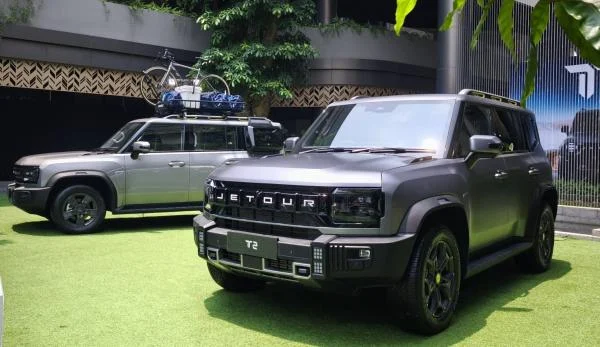
Jetour has officially announced a robust performance in the Indonesian automotive market, recording a total of 442 retail units sold throughout October 2026. This figure marks a significant milestone for the brand as it continues to consolidate its presence in the highly competitive sport utility vehicle (SUV) segment. The data highlights a strong consumer appetite for versatile vehicles that bridge the gap between urban convenience and off-road capability, with the brand’s T-Series lineup serving as the primary engine for this growth.
A Breakdown of October Sales Performance
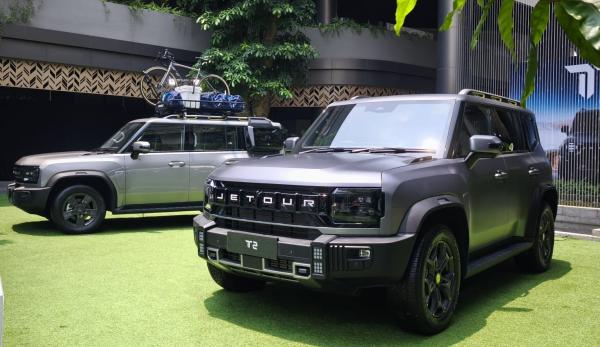
The sales report released by PT Jetour Sales Indonesia indicates that the T-Series SUV range has successfully captured the attention of Indonesian buyers. Among the various models offered, the Jetour T2 i-DM emerged as the top-selling vehicle, accounting for 147 units sold during the month. This plug-in hybrid electric vehicle (PHEV) variant appears to resonate with consumers who are increasingly looking for electrified solutions that do not compromise on power or aesthetic appeal.
Following closely behind, the internal combustion engine variant, the Jetour T2 TGDI, recorded 122 sales. The momentum carried over to the T1 lineup as well, with the Jetour T1 TGDI contributing 89 units to the monthly total, while the Jetour T1 i-DM variant saw 70 units delivered to customers. The balanced distribution of sales across both the T1 and T2 platforms suggests that Jetour’s dual-strategy—offering both traditional gasoline powertrains and hybrid alternatives—is effectively meeting the diverse preferences of the Indonesian demographic.
Strategic Positioning and the T-Series Philosophy
The success of the T-Series is not incidental but the result of a deliberate corporate strategy aimed at carving out a distinct identity within the Indonesian automotive landscape. Jetour, a brand under the Chery Holding Group, has positioned itself as an "adventure-oriented" SUV manufacturer. By focusing on rugged design language, high ground clearance, and modern technological integration, the company has differentiated its offerings from more conservative family-oriented crossovers.
During the Gaikindo Auto Week (GAW) 2026, the leadership team at PT Jetour Sales Indonesia emphasized that the expansion of the product portfolio is a core pillar of their long-term growth. Michael Budihardja, Vice President of PT Jetour Sales Indonesia, noted that the company’s focus extends beyond volume. The goal is to curate a portfolio that possesses a unique character, providing consumers with vehicles that serve as an extension of their lifestyle—whether for daily commuting in dense urban centers or weekend explorations in more challenging terrains.
Contextualizing the Growth: The Indonesian Automotive Market in 2026
The performance of Jetour in October 2026 must be viewed against the backdrop of a maturing Indonesian automotive market. The nation has seen a consistent shift in consumer interest toward the SUV segment over the past few years, with many buyers migrating away from traditional Multi-Purpose Vehicles (MPVs) in favor of the elevated driving position and perceived safety of SUVs.
Furthermore, 2026 has been a pivotal year for the integration of hybrid and electric vehicles in Indonesia. Government incentives and a growing network of charging infrastructure have made vehicles like the Jetour T2 i-DM more viable for the average consumer. Jetour’s ability to leverage the "i-DM" (Intelligent Drive Management) technology suggests that the brand is well-aligned with the Indonesian government’s broader goals of transitioning toward more sustainable transportation options without forcing an immediate, total reliance on pure Battery Electric Vehicles (BEVs), which still face infrastructural challenges in many parts of the archipelago.

Chronology of Market Entry and Development
Jetour’s journey in Indonesia has been marked by rapid scaling. After initial brand introductions and roadshows in late 2024 and early 2025, the company focused heavily on establishing a network of authorized dealers and service centers to build consumer trust—a critical step for any new automotive entrant in the region.
- Early 2025: Official launch of the brand identity and announcement of the initial SUV lineup, with a focus on the T-Series as the flagship product.
- Mid-2025: Expansion of the dealer network into key metropolitan areas, including Jakarta, Surabaya, and Medan, ensuring that prospective buyers had access to test drives and after-sales support.
- Q1 2026: Introduction of the i-DM hybrid technology to the Indonesian market, signaling a shift toward electrification.
- October 2026: Achievement of 442 retail units, a record monthly high that confirms the brand’s transition from a niche newcomer to a recognized player in the mid-size SUV segment.
Analytical Perspective: What the Numbers Imply
The sale of 442 units in a single month for a relatively new brand in Indonesia is a positive indicator of market penetration. When analyzing the data, several key implications emerge:
- Brand Elasticity: The brand has proven that it can sell both high-end hybrid variants (T2 i-DM) and more accessible gasoline variants (T1 TGDI). This indicates that the brand’s marketing is successfully targeting multiple tiers of the middle-class consumer.
- Technological Acceptance: The strong performance of the i-DM models shows that Indonesian consumers are becoming more sophisticated and are willing to invest in hybrid technology, provided it is packaged in a form factor they desire.
- Competitive Pressure: Jetour’s presence is adding pressure to established Japanese and South Korean manufacturers that have dominated the Indonesian SUV market for decades. By offering higher standard specifications at competitive price points, Jetour is forcing traditional incumbents to reconsider their product offerings and value propositions.
Official Statements and Future Outlook
Speaking at the Gaikindo Auto Week 2026, Michael Budihardja reiterated the company’s commitment to the Indonesian market. "Pertumbuhan bisnis tidak hanya tentang menghadirkan lebih banyak pilihan kendaraan, tetapi juga membangun portofolio yang memiliki karakter dan daya tarik tersendiri di pasar. Kehadiran Jetour T-Series menjadi langkah strategis kami untuk memperkuat posisi Jetour di segmen SUV," stated Budihardja.
Looking ahead, industry analysts anticipate that Jetour will focus on two key areas to sustain this growth: expanding its localized assembly operations (CKD) to further optimize pricing and investing in a more robust spare parts supply chain to alleviate common concerns regarding ownership of non-traditional automotive brands.

If the current growth trajectory continues, Jetour is likely to increase its market share in the upcoming fiscal year. The company is reportedly planning to introduce additional variants and perhaps even a dedicated off-road focused model to further capitalize on the "adventure" market segment.
Conclusion: The Road Ahead
The October 2026 sales figures for Jetour are a testament to the brand’s effective market positioning and its ability to listen to the evolving needs of the Indonesian consumer. By successfully blending the demand for robust SUV performance with the modern requirement for hybrid efficiency, Jetour has established a solid foundation.
As the automotive sector in Indonesia continues to face shifts in environmental regulations and consumer preferences, Jetour appears well-positioned to navigate these changes. While 442 units represents a strong monthly performance, the real test for the company will be in maintaining this momentum through sustained quality, reliable after-sales service, and continuous product innovation. For now, the T-Series has proven its worth, and the brand’s presence in Indonesia is no longer just a debut—it is a clear signal of intent to capture a larger slice of the Southeast Asian automotive market.