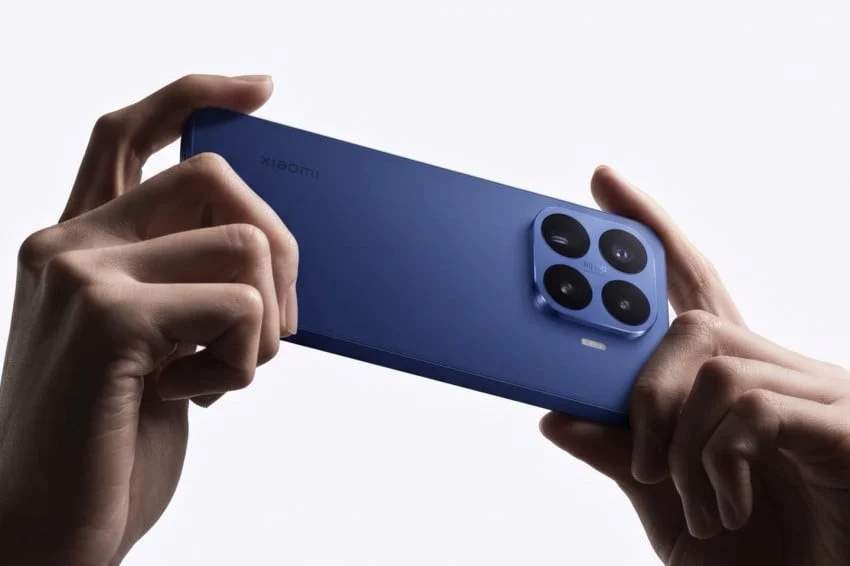
The technological landscape of mobile connectivity has reached a significant inflection point as Xiaomi officially integrates its HyperOS Quick Share functionality to support direct file transfers to iOS devices. This development, spearheaded by the deployment on the Xiaomi 17T Pro—which features the advanced 50MP Light Fusion 950 sensor—marks a departure from the historical silos that have long governed the smartphone industry. By bypassing the need for third-party cloud services or intermediary messaging applications, Xiaomi is addressing the growing consumer demand for interoperability in a multi-device ecosystem.
The Evolution of Mobile Interoperability
For over a decade, the "walled garden" approach defined by major smartphone manufacturers has prioritized ecosystem loyalty over user convenience. Historically, transferring high-resolution images and large video files between an Android device and an iPhone required significant workarounds, such as uploading files to a cloud drive, sending them via email, or utilizing compressed messaging apps that degrade media quality.
The decision by Xiaomi to implement a streamlined Quick Share protocol compatible with iOS reflects a broader industry shift toward open standards. This transition is not merely a convenience feature but a response to the changing habits of global consumers. According to recent market analysis from Kantar, the number of smartphone users has grown by 17 percent over the past three years. More importantly, the data reveals a secondary trend: the rise of the "multi-device user." A significant portion of modern smartphone owners now juggle multiple devices across different operating systems, necessitating a more fluid transition of data between hardware environments.
Chronology of Cross-Platform Sharing Developments
The journey toward seamless cross-platform sharing has been marked by several key technological milestones:
- 2013-2015: The era of proprietary "Beam" technology and the early, fragmented attempts at Near Field Communication (NFC) sharing, which were largely restricted to intra-ecosystem transfers.
- 2020: The formation of the Mutual Transfer Alliance, a consortium involving Xiaomi, OPPO, and Vivo, which aimed to establish a common protocol for file sharing among Chinese smartphone manufacturers.
- 2023: The global harmonization of Android’s "Nearby Share" and its subsequent integration into the broader Google ecosystem, providing a unified standard for Android-to-Android transfers.
- 2024: The formal expansion of HyperOS capabilities, allowing Xiaomi’s proprietary sharing protocol to recognize and interface with the AirDrop-adjacent protocols required for iOS communication, effectively bridging the final gap for many users.
Technical Implementation and the Xiaomi 17T Pro
The Xiaomi 17T Pro serves as the flagship vehicle for this update, utilizing its high-performance hardware to handle the processing requirements of the new sharing protocol. The device is centered around the 50MP Light Fusion 950 sensor, a component engineered for high dynamic range and superior light sensitivity. Because the sensor produces large, high-fidelity image files, the burden on connectivity tools to move these files without loss of quality is substantial.
The Quick Share feature within HyperOS uses a combination of Bluetooth Low Energy (BLE) for device discovery and a high-speed Wi-Fi Direct connection for the actual data transfer. By extending this architecture to be compatible with iOS receivers, Xiaomi has optimized the handshake protocol to ensure that the metadata and image resolution remain intact during the transfer process. This is a critical factor for professional photographers and content creators who rely on the Xiaomi 17T Pro’s camera capabilities but often use iPads or iPhones for post-production and social media distribution.
Industry Perspectives and Official Statements
Andi Renreng, the Marketing Director of Xiaomi Indonesia, emphasized that the objective of this integration is to redefine the mobile user journey. "The experience of owning a smartphone does not conclude the moment a photograph is captured or a video is recorded," Renreng stated. "There is a pressing necessity to process, enjoy, and share these moments with ease. Our focus with HyperOS is to remove the friction that has historically existed between hardware platforms."
Industry analysts observe that this move is a strategic necessity for Xiaomi as it expands its footprint in premium markets. By lowering the barrier for potential switchers—or those who choose to keep an iPhone alongside a Xiaomi device—the company is positioning its hardware as a flexible, rather than restrictive, component of the user’s digital life.
Data-Driven Analysis of the Multi-Device Market
The shift in consumer behavior is supported by data from the International Data Corporation (IDC) and Kantar, which indicate that the average household now manages a wider array of interconnected devices than ever before. With the 17 percent growth in smartphone ownership, the complexity of data management has surged.
The primary friction points identified in recent surveys include:
- Resolution Degradation: 62 percent of users report dissatisfaction with the quality of photos sent via standard messaging platforms.
- Time Efficiency: On average, transferring a 1GB video file via third-party cloud services takes approximately 4 to 6 minutes, depending on upload speeds, whereas direct device-to-device transfers can be completed in under 45 seconds.
- Security Concerns: Users are increasingly wary of uploading personal media to third-party servers, favoring direct, encrypted, local-network transfers.
Xiaomi’s solution directly addresses these pain points by keeping the data transfer local, encrypted, and instantaneous, thereby enhancing the overall value proposition of the Xiaomi 17T Pro.
Implications for the Future of Operating Systems
The integration of Quick Share into the HyperOS ecosystem is a harbinger of a more connected future. While Apple has long maintained a closed ecosystem, the pressure from regulatory bodies—most notably the European Union’s Digital Markets Act—is forcing a more open approach to interoperability. Xiaomi’s proactive stance suggests that manufacturers are no longer waiting for mandates but are instead anticipating the market’s desire for open communication.
For the average user, the implications are profound. The ability to move files seamlessly from a camera-centric Android device to an iOS device without external software suggests that the hardware-to-hardware barrier is thinning. If this trend continues, we may see the standardization of file-sharing protocols across all major mobile operating systems, potentially rendering the "ecosystem trap" obsolete.
Strategic Outlook
As Xiaomi continues to roll out HyperOS updates, the inclusion of cross-platform file sharing is expected to be a standard feature across its premium and mid-range lineup. The company’s focus on the "Human x Car x Home" smart ecosystem, of which the smartphone is the hub, requires that these devices communicate effectively with the broader world.
By prioritizing this functionality, Xiaomi is not only improving the utility of its existing hardware but is also future-proofing its devices against the inevitable move toward universal connectivity. The Xiaomi 17T Pro, with its advanced imaging capabilities and now, its enhanced connectivity, stands as a testament to the company’s current strategic focus: building powerful, high-performance tools that are designed to exist within, rather than apart from, the diverse digital environments of modern consumers.
In conclusion, the integration of Quick Share for iOS on the Xiaomi 17T Pro represents a vital advancement in mobile technology. It acknowledges the realities of the modern user experience—one that is fragmented across brands and devices—and provides a practical, efficient solution. As this technology matures, it will likely set a new baseline for what consumers expect from their mobile devices, pushing the entire industry toward a more collaborative and user-centric future.