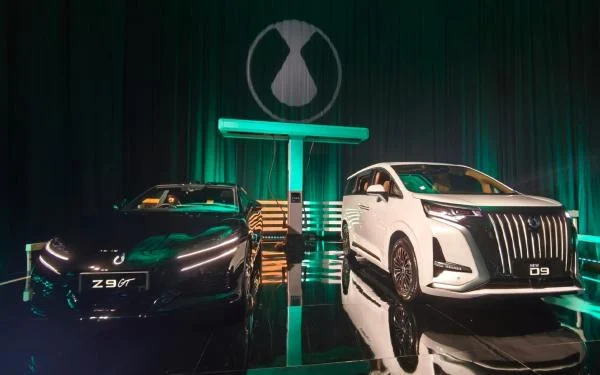
The rapid proliferation of electric vehicles (EVs) globally has brought the technology of high-speed charging—often referred to as flash charging or DC fast charging—to the forefront of consumer consciousness. As manufacturers strive to eliminate "range anxiety," the ability to replenish a battery from 10% to 80% in a matter of minutes has become a primary selling point. However, this convenience has sparked a persistent debate among prospective EV owners regarding the potential long-term degradation of lithium-ion battery packs. Addressing these concerns at the Gaikindo Auto Week (GAW) 2026, experts from BYD Motor Indonesia emphasized that modern advancements in battery management systems (BMS) and thermal regulation have rendered flash charging a safe, reliable, and sustainable practice for daily use.
The Evolution of Battery Technology and Charging Safety
The primary apprehension surrounding flash charging stems from the physics of ion movement within a battery cell. During rapid charging, lithium ions are forced to migrate from the cathode to the anode at high speeds. If not managed correctly, this process can lead to lithium plating, where metallic lithium accumulates on the anode surface, potentially causing internal short circuits or capacity loss over time.
However, the automotive industry has undergone a technological shift to mitigate these risks. BYD, a leader in the global EV market, utilizes sophisticated battery chemistries—most notably the Blade Battery—which are designed specifically to handle high-current inputs without compromising structural integrity. According to Ubaedillah, Head of Flash Charging at BYD Motor Indonesia, the company has subjected its charging systems to rigorous, multi-faceted testing protocols to ensure that high-voltage charging does not accelerate the decay of battery health. These tests involve thousands of cycles of repetitive charging and discharging, simulating years of consumer use to ensure that the battery remains within optimal performance parameters.
Rigorous Testing Protocols and Environmental Resilience
One of the most critical aspects of ensuring battery longevity is thermal management. High-speed charging inherently generates significant heat, which is the primary enemy of lithium-ion longevity. Modern EVs are equipped with advanced liquid cooling systems that actively regulate cell temperatures during the charging process.
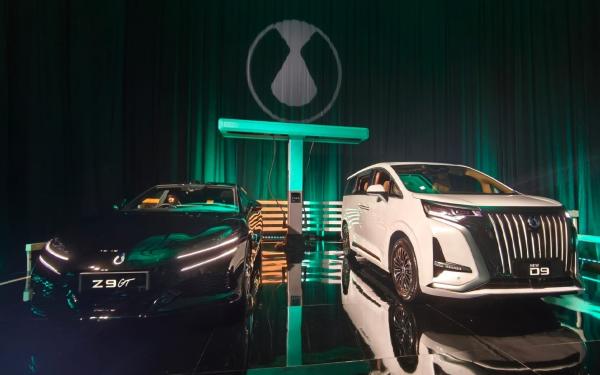
At the Gaikindo Auto Week 2026, Ubaedillah highlighted the extent of BYD’s stress testing, noting that their battery systems are evaluated under extreme environmental conditions, including temperatures as low as minus 30 degrees Celsius. In such frigid environments, chemical reactions within a battery naturally slow down, making the charging process even more taxing. The fact that these batteries maintain operational efficiency under such extremes demonstrates the maturity of current thermal management software. By maintaining the battery at an ideal temperature range, the BMS prevents the chemical stress typically associated with rapid ion transfer, thereby neutralizing the potential negative impacts of flash charging.
The Role of Battery Management Systems (BMS)
The intelligence behind modern EVs lies in the Battery Management System. This onboard computer acts as the "brain" of the vehicle, constantly monitoring the state of charge (SoC), state of health (SoH), voltage, and temperature of every individual cell in the pack.
When a driver plugs their vehicle into a flash charger, the BMS initiates a handshake protocol with the charging station. This communication determines the maximum safe power delivery the battery can accept at that specific moment. As the battery nears its maximum capacity, the BMS instructs the charger to taper off the power inflow, significantly slowing down the charging speed. This "tapering" is a crucial safety mechanism that prevents the battery from being overstressed during the final stages of the charge. Consequently, the user does not need to worry about the charger "over-charging" or damaging the battery, as the software effectively acts as a guardian, prioritizing long-term durability over raw speed.

Economic Implications and Warranty Coverage
Beyond the technical safety of flash charging, there is a clear economic dimension to the concern of battery longevity. Recognizing that the battery is the most expensive component of an electric vehicle, manufacturers have increasingly utilized extended warranties as a form of "proof of confidence."
BYD’s policy of providing an 8-year or 190,000-kilometer warranty serves as a significant signal to the market. By offering such comprehensive coverage, the manufacturer is essentially betting on the resilience of its hardware against daily flash charging. This warranty structure shifts the burden of risk from the consumer to the manufacturer, ensuring that if any degradation occurs outside of expected norms, the owner is protected. For the average consumer, this translates to peace of mind, allowing them to utilize public fast-charging infrastructure without the fear of voiding their warranty or facing premature battery failure.
Industry Perspectives: The Future of Rapid Charging
The consensus among automotive engineers is that the industry is moving toward a future where charging is as seamless as refueling a combustion engine. While early generations of EVs were more sensitive to high-speed charging, the current generation—defined by high-energy-density cells and intelligent cooling—is engineered specifically for the modern user’s lifestyle.
Data from the field suggests that the vast majority of battery degradation is still caused by factors other than flash charging, such as storing a vehicle for extended periods at 100% state of charge in high-heat environments or deep-discharging the battery to zero repeatedly. When used according to the manufacturer’s guidelines, flash charging is a minor factor in the total life cycle of a battery.

Impact on Global Infrastructure and Adoption
The reassurance provided by industry leaders is essential for the mass adoption of electric vehicles. As governments worldwide commit to phasing out internal combustion engines, the pressure on charging infrastructure will continue to grow. If consumers are hesitant to use the high-speed chargers installed in public spaces, the efficiency of the entire EV ecosystem will decline.
By standardizing the safety of flash charging and educating the public on how the BMS protects the battery, manufacturers like BYD are facilitating a smoother transition to sustainable transport. The normalization of flash charging is not merely a convenience feature; it is a prerequisite for the viability of EVs for long-distance travel and for urban residents who may lack home-charging capabilities.
Conclusion: A Sustainable Path Forward
The narrative surrounding the dangers of flash charging is increasingly becoming a relic of the past, replaced by a more nuanced understanding of battery technology. Through the integration of advanced thermal management, intelligent software monitoring, and comprehensive warranty programs, the automotive industry has successfully addressed the primary technical hurdles associated with rapid energy delivery.
As Ubaedillah noted during the Gaikindo Auto Week, the priority for manufacturers remains safety and reliability. For the modern EV driver, this means that the speed of charging no longer comes at the expense of the vehicle’s long-term utility. As the industry continues to innovate, the focus will likely shift from merely surviving the charging process to optimizing it for even greater speed and energy efficiency, further solidifying the electric vehicle as the standard for personal mobility in the 21st century. Consumers can therefore feel confident in utilizing flash charging networks to meet their daily driving needs, knowing that their vehicles are designed to withstand the rigors of modern life.