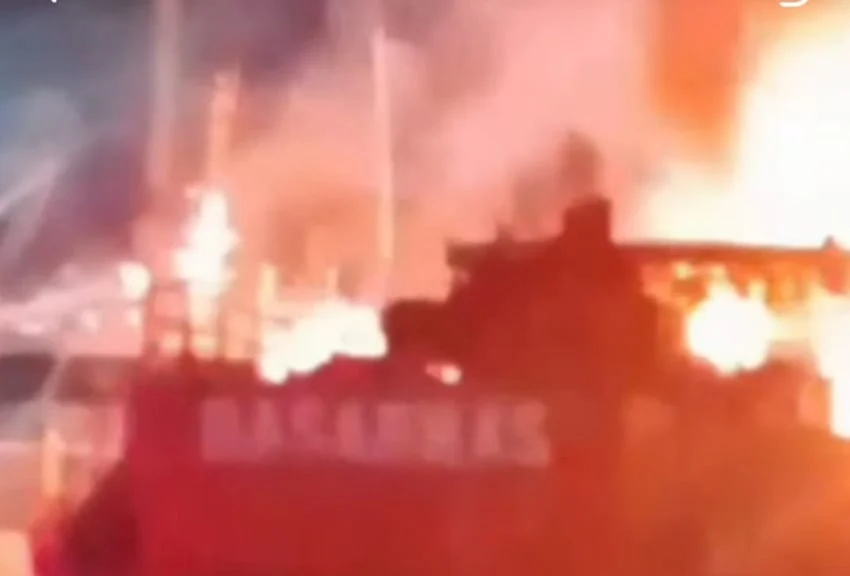
The incident, which swiftly garnered significant attention across social media platforms, occurred within the bustling maritime hub of Muara Baru, a critical area for both fishing and logistical operations in the Indonesian capital. The fire’s rapid spread and the inherent dangers of a blaze on a maritime vessel necessitated an immediate and robust response from emergency services, who worked diligently for several hours to bring the situation under control. While the immediate focus was on extinguishing the inferno, the event also cast a spotlight on the operational resilience of Basarnas, a vital institution responsible for search, rescue, and disaster relief across Indonesia’s vast archipelago.
Chronology of the Incident
The alarm was first raised to the Command Centre of the DKI Jakarta Fire and Rescue Department (Gulkarmat) at precisely 7:58 PM Western Indonesian Time (WIB) on July 22, 2026. Reports from the public indicated a significant fire had broken out on a vessel docked in the Muara Baru area. Given the potential severity of a ship fire, especially in a densely populated port area, the response was swift and decisive.
Within minutes of receiving the distress call, firefighting teams were mobilized. By 8:01 PM WIB, the initial units had arrived at the scene, assessing the situation and establishing a command post. The complex nature of a shipboard fire, often involving combustible materials, fuel, and limited access, required meticulous planning before commencing direct suppression efforts. By 8:03 PM WIB, just five minutes after their arrival, firefighters began their arduous battle against the blaze, deploying hoses and strategic water streams to tackle the inferno.
The intensity of the fire and the sheer volume of smoke and flames indicated a significant challenge. However, through sustained effort and coordinated action, firefighters managed to bring the fire to its "cooling stage" by 8:44 PM WIB. This critical phase involves reducing the temperature of the affected areas to prevent re-ignition and to ensure the structural integrity of the vessel. The cooling process, often as labor-intensive as the initial suppression, continued for several hours, with personnel meticulously checking for any lingering hot spots. Finally, after more than four hours of continuous operation, the Jakarta Fire and Rescue Department declared the fire completely extinguished and the scene safe at 10:23 PM WIB.
Scale of the Response and Challenges Faced
The deployment of 14 firefighting units and 70 personnel underscores the gravity of the incident and the challenges inherent in combating a vessel fire. Maritime fires present unique difficulties compared to land-based blazes. Access can be restricted, requiring specialized equipment and tactics. The presence of fuel, lubricants, and potentially other hazardous materials on board poses risks of explosions and toxic fumes. Moreover, the stability of the burning vessel itself can be compromised, creating a hazardous environment for emergency responders.
Firefighters likely utilized a combination of water and foam agents to effectively combat the blaze, particularly if the fire involved hydrocarbons. The Muara Baru area, being a busy port, also presented logistical challenges, including navigating congested pathways and ensuring that the firefighting operations did not impede other critical maritime activities or pose a risk to adjacent vessels and infrastructure. The quick containment and eventual extinguishment within a relatively short timeframe, given the scale, speak to the professionalism and efficiency of the Jakarta Fire and Rescue Department.
Context: Basarnas and Its Critical Role
Basarnas, the Badan Nasional Pencarian dan Pertolongan, is Indonesia’s primary agency responsible for search and rescue operations, disaster relief, and maritime safety. Established to respond to emergencies across the vast Indonesian archipelago, which comprises over 17,000 islands and vast expanses of ocean, Basarnas plays an indispensable role in safeguarding lives and property. Their missions range from responding to aviation and maritime accidents to assisting in natural disasters such as earthquakes, tsunamis, and volcanic eruptions.
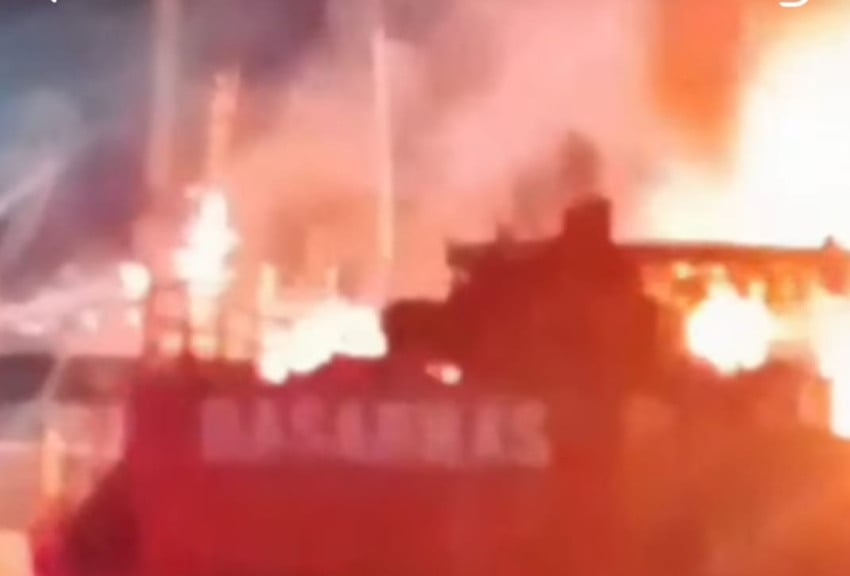
The agency operates a fleet of specialized vessels, aircraft, and ground vehicles, strategically positioned across the country to ensure rapid deployment. Each Basarnas vessel is equipped with advanced navigation, communication, and rescue tools, making it a crucial asset in critical situations. The vessel involved in the fire, although its specific type was not detailed in the initial reports, was identified by visible markings as belonging to Basarnas, as corroborated by viral social media footage showing "Basarnas" emblazoned on its stern. The loss or incapacitation of any of their assets, even temporarily, can have implications for their operational readiness and capacity to respond to emergencies.
Muara Baru, where the incident occurred, is a significant port area in North Jakarta. It serves as a major fishing port, an industrial hub, and a base for various maritime activities, including repair and maintenance facilities. The presence of a Basarnas vessel in this location is routine, as they often berth their ships in strategic ports for operational readiness, maintenance, or logistical purposes.
Initial Assessment and Lack of Casualties
Crucially, as of the initial reports, there have been no confirmed casualties resulting from the fire. This is a significant relief and a testament to prompt action, both by any personnel who might have been on board or nearby, and by the emergency responders who prioritized human safety. Ship fires, particularly those of this magnitude, often carry a high risk of injury or fatality due to rapid smoke inhalation, intense heat, and the potential for explosions. The absence of casualties indicates that the area was either evacuated swiftly or that no personnel were in immediate danger at the time the fire escalated.
However, the full extent of the damage to the Basarnas vessel remains under assessment. Such fires can cause extensive structural damage, compromise critical systems such as engines, navigation equipment, and communication arrays, and potentially lead to long-term operational incapacitation or even a total loss of the vessel.
Investigation and Future Implications
Following the successful extinguishment of the fire, the immediate priority shifts to a comprehensive investigation to determine its cause. Maritime fire investigations are complex and typically involve multiple agencies. The National Transportation Safety Committee (KNKT) often plays a leading role in such inquiries, alongside local police, port authorities, and internal investigators from Basarnas.
The investigation will seek to answer critical questions:
- Origin and Cause: Where did the fire start, and what ignited it? Common causes of ship fires include electrical malfunctions, engine failures, fuel leaks, hot work (welding, cutting), and human error.
- Contributing Factors: Were there any maintenance issues, safety protocol breaches, or external factors that contributed to the fire’s ignition or rapid spread?
- Damage Assessment: A detailed survey will be conducted to assess the structural integrity of the vessel and the extent of damage to its machinery, systems, and equipment.
- Operational Impact: How will the loss or repair of this vessel affect Basarnas’s ability to conduct its vital search and rescue operations in the region?
Statements from Basarnas officials, once available, are expected to address the impact on their fleet and operational capacity. While SindoNews had attempted to contact Desiana Kartika Bahari, the Head of Jakarta SAR Office, no immediate response was available at the time of the initial report. It is standard practice for agencies to conduct internal reviews and provide official statements after the preliminary findings of such investigations are clear. Basarnas will likely reassure the public of their continued commitment to their duties, outlining contingency plans to ensure that their vital services are not disrupted.
Broader Maritime Safety Concerns
This incident serves as a stark reminder of the inherent risks associated with maritime operations and the critical importance of stringent safety protocols. Ship fires, while thankfully not daily occurrences, are a consistent concern in the global shipping industry. According to various maritime safety organizations, electrical faults and engine room fires are among the leading causes of incidents on vessels worldwide. Regular maintenance, adherence to international safety regulations (such as SOLAS – Safety of Life at Sea), proper crew training, and robust emergency response plans are paramount to mitigating these risks.
For a critical emergency response agency like Basarnas, whose mission is to save lives, an incident involving one of their own assets can trigger a thorough review of their internal safety procedures and fleet maintenance schedules. This incident may prompt a broader audit across Basarnas’s fleet to identify and address any potential vulnerabilities, reinforcing their commitment to operational excellence and safety.
The financial implications of such a fire can be substantial. The cost of repair or replacement of a specialized SAR vessel can run into millions of dollars, depending on its size and technological sophistication. This cost would likely be borne through insurance, government funds, or a combination thereof, potentially impacting the agency’s budget allocation for other critical needs.
In conclusion, the fire on the Basarnas vessel at Muara Baru port was a significant event that tested the mettle of Jakarta’s emergency services. While the immediate danger has passed and no casualties were reported, the incident underscores the continuous challenges in maritime safety and the critical role played by Basarnas in safeguarding Indonesia’s vast maritime domain. The ensuing investigation will be crucial in understanding the root cause, informing future preventative measures, and ensuring the continued operational resilience of an agency vital to the nation’s safety and security.