
Managing cholesterol levels is a fundamental aspect of cardiovascular health, particularly as the prevalence of hypercholesterolemia continues to rise globally. Cholesterol is a waxy, fat-like substance essential for the body’s metabolic processes, including the production of hormones, vitamin D, and bile acids. However, an imbalance—specifically elevated levels of Low-Density Lipoprotein (LDL), often referred to as "bad" cholesterol—poses a significant risk for the development of atherosclerosis, heart disease, and stroke. Recent nutritional studies have increasingly focused on the role of protein-rich dietary choices in modulating lipid profiles. By replacing saturated fats with high-quality proteins that offer fiber, healthy fats, and probiotics, individuals can effectively manage their cholesterol levels without sacrificing nutritional intake.
The Mechanism of Dietary Intervention in Lipid Management
The relationship between diet and blood lipid levels has been a cornerstone of nutritional science for decades. Clinical observations consistently indicate that the consumption of specific protein sources can influence hepatic cholesterol synthesis and excretion. According to registered dietitian Trista Chan, RD, MHSc, the strategic selection of protein—prioritizing plant-based options and heart-healthy fish—serves as a proactive measure in reducing the systemic burden of LDL.
The primary goal of these dietary interventions is not merely to increase protein intake but to optimize the quality of macronutrients. High-fat animal proteins often come with a heavy load of saturated fats, which are known to trigger the liver to produce more LDL cholesterol. Conversely, protein sources rich in unsaturated fats, phytosterols, and soluble fiber work to lower the absorption of cholesterol in the digestive tract.
1. The Role of Soy and Legumes in Lipid Regulation
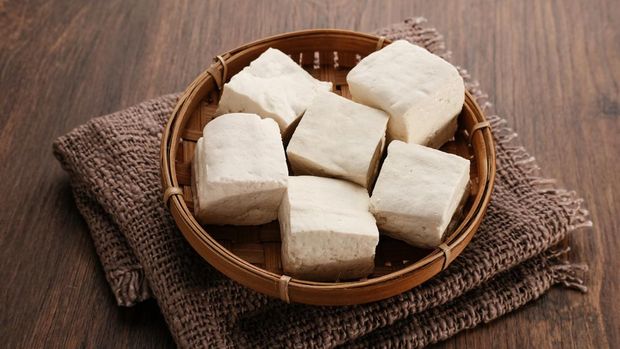
Soybeans have long been recognized in both traditional diets and modern medical research as a powerhouse of cardiovascular health. Whether consumed as tofu, tempeh, edamame, or fortified soy milk, soy proteins contain isoflavones and polyunsaturated fats that contribute to heart health.
Data from a meta-analysis involving 41 separate studies demonstrated that a consistent daily intake of approximately 25 grams of soy protein can yield a measurable reduction in LDL cholesterol, ranging from 3% to 4% over a six-week period. This effect is largely attributed to the protein’s ability to modulate lipid metabolism. Furthermore, tofu serves as a dense nutrient source, providing approximately 10 grams of protein per 100-gram serving, making it a highly efficient substitute for red meat in the average diet.
2. Black Beans: Fiber-Dense Nutritional Staples
Black beans represent an ideal intersection of plant-based protein and dietary fiber. With a single cup (172 grams) of cooked black beans providing roughly 15.2 grams of protein, they are instrumental in maintaining satiety and regulating glucose levels, which indirectly supports lipid health.

The mechanism by which black beans lower cholesterol is primarily linked to their high soluble fiber content. Soluble fiber binds to cholesterol particles in the digestive system and moves them out of the body before they can enter the bloodstream. Clinical trials observing adults with borderline elevated cholesterol showed that participants who replaced high-fat staples with three-quarters of a cup of legumes daily experienced a significant reduction in LDL levels. This substitution effectively minimizes the intake of saturated fats, which is the most critical step in managing dyslipidemia.
3. Omega-3 Fatty Acids: The Case for Salmon
While plant-based proteins are vital, the inclusion of cold-water fatty fish such as salmon remains a standard recommendation by the American Heart Association (AHA). A standard 85-gram serving of cooked Atlantic salmon provides approximately 18.8 grams of high-quality protein. Beyond the protein content, salmon is one of the most potent sources of Eicosapentaenoic acid (EPA) and Docosahexaenoic acid (DHA).
These omega-3 fatty acids are essential in managing inflammation—a key driver of plaque buildup in the arteries. Research indicates that omega-3s assist in lowering triglyceride levels, another component of the lipid panel that, when high, increases cardiovascular risk. For those looking for alternatives, mackerel and trout offer similar nutritional profiles, providing an effective, heart-healthy alternative to high-fat animal proteins like beef or pork.
4. Probiotics and Greek Yogurt: Gut-Heart Connection
The integration of Greek yogurt into a daily regimen offers a twofold benefit: high protein density and the addition of beneficial probiotics. A 156-gram serving of non-fat Greek yogurt contains approximately 16.1 grams of protein. Recent developments in nutritional research have highlighted the "gut-heart axis," suggesting that the health of the intestinal microbiome plays a direct role in how the body processes cholesterol.
Probiotics, specifically certain strains of Lactobacillus and Bifidobacterium, have shown potential in helping the body break down bile salts. Since bile salts are synthesized from cholesterol, the body must then pull more cholesterol from the blood to replenish its bile supply, thereby lowering circulating LDL levels. While the degree of impact varies by individual, the consistent inclusion of probiotic-rich, low-fat dairy is a scientifically backed strategy for long-term health.
5. Peanut Butter and the Nuance of Healthy Fats
Peanut butter is often misunderstood in the context of heart health due to its caloric density. However, when consumed in moderation—approximately two tablespoons (32 grams) yielding 7 grams of protein—it provides monounsaturated fats that are heart-protective.
While clinical research regarding the direct impact of peanuts on LDL levels remains varied, their ability to stabilize blood lipids and reduce triglyceride levels is well-documented. To maximize these benefits, health professionals advise selecting "natural" peanut butter varieties that exclude added sugars and hydrogenated oils, which negate the positive effects of the healthy fats found in the peanuts themselves.
Broader Implications for Public Health
The rising incidence of heart disease has prompted public health authorities to push for more transparent nutritional labeling and better dietary education. The shift toward plant-forward diets is not just a trend but a necessary evolution in how the population addresses chronic illness.
From a clinical perspective, dietary changes are often the first line of defense before pharmaceutical interventions, such as statins, are prescribed. While medications are essential for individuals with genetic predispositions to high cholesterol (familial hypercholesterolemia), many individuals can achieve significant improvements through the consistent application of these five protein-rich food categories.
The implications for the food industry are also significant. As consumer awareness grows, there is an increasing demand for products that are minimally processed and transparently sourced. The transition toward incorporating more soy, legumes, fatty fish, and probiotic-rich foods into the standard diet is a scalable solution that can lead to a measurable reduction in cardiovascular-related hospitalizations.
Conclusion and Future Outlook
Managing cholesterol is a long-term commitment that requires a multifaceted approach. By focusing on high-quality protein sources that provide fiber, omega-3 fatty acids, and probiotics, individuals can create a sustainable dietary pattern that supports long-term heart health.
While these five food groups provide a solid foundation, they should be viewed as part of a comprehensive lifestyle strategy that includes regular physical activity, stress management, and, when necessary, professional medical guidance. As research continues to uncover the complex relationship between nutrients and lipid metabolism, the focus remains clear: the path to a healthier heart is paved with intentional, nutrient-dense dietary choices. By making these small, consistent changes, the risk of developing heart disease can be significantly mitigated, ensuring better longevity and overall well-being.