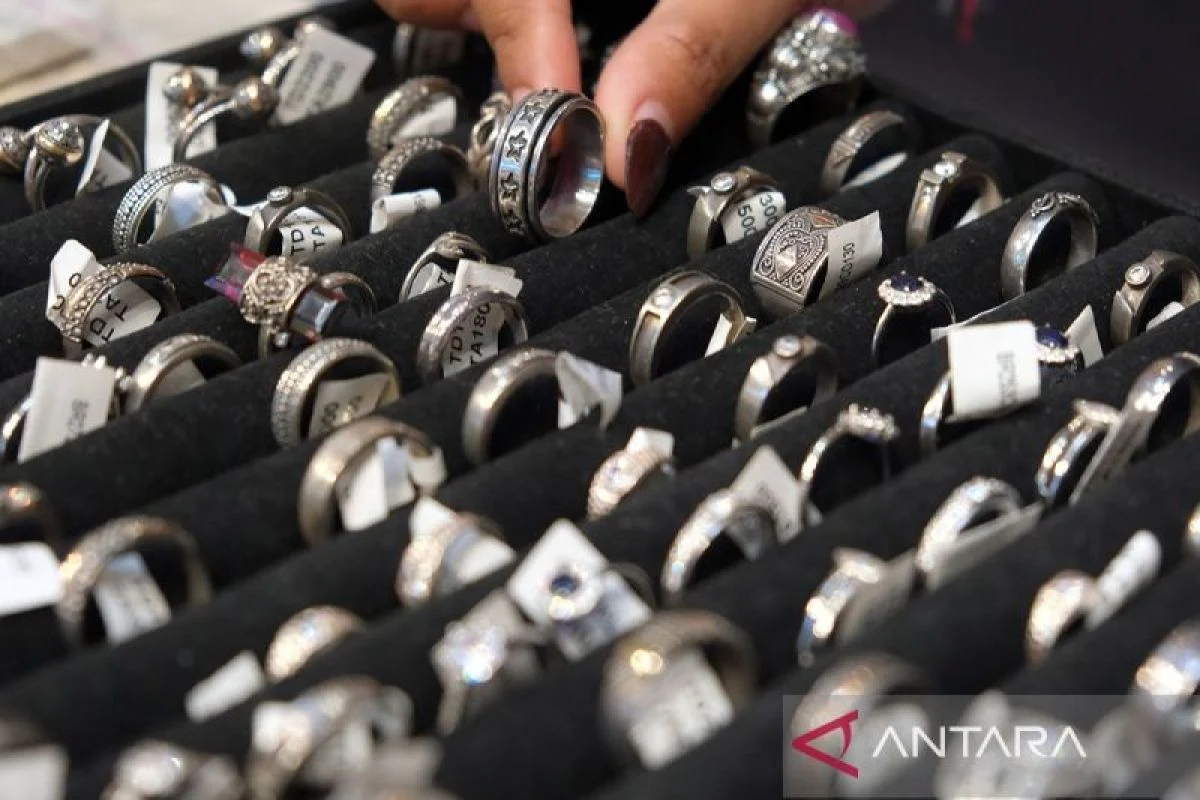
Beyond gold, silver stands as another precious metal of immense strategic value, increasingly recognized as a potent investment instrument. Its popularity has been steadily climbing, propelled by a growing public awareness of its multifaceted potential for future profitability. For interested investors, silver investments are accessible through a variety of official channels, including formal financial institutions and accredited precious metal vendors, all of whom assure credibility and authenticity.
Understanding Silver: A Multifaceted Metal
Silver, known for its distinctive lustrous metallic grey hue, is far more than just an aesthetically pleasing metal. It is a vital asset possessing significant economic value, characterized by its exceptionally high electrical and thermal conductivity—the highest of any metal. Its inherent properties, including its softness and malleability, make it an indispensable element across a vast spectrum of global trade and industrial applications. Historically, silver has occupied a distinguished position, evolving from its early function as ancient coinage and a universal medium of exchange to a symbol of opulence, gracing the regalia and household articles of royalty and nobility. In the rapidly accelerating era of digitalization, silver has undergone a transformative shift, emerging as a highly liquid and strategically valuable financial asset. This evolution is particularly evident with the massive expansion in smart technology devices and advanced robotics, which has triggered an unprecedented surge in demand for silver as a critical material input. This escalating demand, in turn, fuels heightened investment interest in the metal, with forecasts predicting robust and sustained growth, intrinsically linked to the world’s increasing reliance on future technological innovation.
The Dual Nature of Silver: Industrial Powerhouse and Investment Haven
Silver’s unique position in the global economy stems from its dual utility: it is both a critical industrial commodity and a store of value. Unlike gold, which is predominantly held as an investment or used in jewelry, over 50% of annual silver demand comes from industrial applications. This industrial demand imbues silver with a distinct volatility and growth potential, often making it more responsive to economic cycles and technological advancements than gold.
Industrial Powerhouse: Fueling Modern Innovation
The industrial applications of silver are extensive and continuously expanding, making it indispensable in numerous high-tech sectors.
- Electronics: Silver’s unparalleled electrical conductivity makes it essential in virtually every electronic device. From smartphones, laptops, and tablets to high-performance computing and complex Internet of Things (IoT) devices, silver is found in switches, contacts, conductive inks, and printed circuit boards. The miniaturization trend in electronics further solidifies silver’s role, as smaller components require even more efficient conductors.
- Solar Energy (Photovoltaics): Perhaps the most significant driver of industrial silver demand in recent years is the booming solar energy sector. Silver paste is a critical component in photovoltaic (PV) cells, which convert sunlight into electricity. It forms the conductive grid lines that collect the electrical current generated by the silicon wafers. As nations worldwide commit to aggressive renewable energy targets, the demand for solar panels is projected to skyrocket, directly translating into a substantial increase in silver consumption. The Silver Institute, a leading authority on silver research, consistently highlights solar as a primary growth area for silver demand, projecting significant increases in photovoltaic consumption over the coming decade.
- Automotive Industry: The transition to electric vehicles (EVs) and advanced driver-assistance systems (ADAS) is creating new avenues for silver demand. EVs contain significantly more silver than traditional internal combustion engine (ICE) vehicles, primarily due to the complex electronics, battery management systems, and numerous electrical contacts required. Each EV can contain between 25-50 grams of silver, compared to 15-28 grams in ICE vehicles. Moreover, silver is used in various sensors, switches, and conductive coatings throughout modern automobiles.
- Medical and Healthcare: Silver’s antimicrobial properties have long been recognized. It is used in medical devices, wound dressings, surgical instruments, and even certain pharmaceutical applications to prevent infections. The ongoing need for sterile environments and effective antimicrobial treatments ensures a steady demand from the healthcare sector.
- Other Applications: Silver also finds use in water purification systems, where its antimicrobial properties are leveraged to sterilize water. While less prominent now, it historically played a crucial role in photography, and continues to be used in some specialized imaging techniques. Brazing alloys and solders also utilize silver due to its excellent bonding capabilities and high melting point.
The cumulative effect of these industrial demands, particularly from the green energy transition and digital technologies, places significant upward pressure on silver’s price, establishing a strong fundamental base for its investment appeal.
Investment Haven: A Store of Value and Hedge
Beyond its industrial utility, silver maintains its traditional role as a precious metal investment, often acting as a hedge against inflation, currency devaluation, and economic instability.
- Inflation Hedge: Like gold, silver is often sought by investors during periods of high inflation as a means to preserve purchasing power. Its intrinsic value is not tied to any single government or financial institution, making it a reliable store of wealth when fiat currencies lose value.
- Economic Uncertainty: In times of geopolitical turmoil or economic crisis, investors tend to flock to safe-haven assets. Silver, alongside gold, benefits from this flight to safety, offering a tangible asset in an uncertain world.
- Diversification: Including silver in an investment portfolio can offer diversification benefits. Its price movements do not always perfectly correlate with traditional assets like stocks and bonds, potentially reducing overall portfolio risk and enhancing returns during specific market conditions.
- Leveraged Gold Play: Silver is often referred to as "poor man’s gold" or a "leveraged gold play." Historically, silver tends to be more volatile than gold, meaning it can experience larger percentage gains (and losses) during bull and bear markets. When gold prices surge, silver often follows, frequently outperforming gold on a percentage basis due to its smaller market capitalization and higher industrial demand sensitivity. The gold-to-silver ratio, which indicates how many ounces of silver it takes to buy one ounce of gold, is a key metric investors monitor. A high ratio typically suggests silver is undervalued relative to gold and vice-versa.
Historical Performance and Market Dynamics
Silver’s price history is marked by periods of dramatic fluctuations, reflecting its dual nature and sensitivity to both industrial and monetary factors. Notable events include the "Silver Thursday" in 1980, when the Hunt brothers’ attempt to corner the silver market led to a meteoric rise followed by a spectacular crash. More recently, silver prices saw significant spikes following the 2008 financial crisis as investors sought safe havens, and again during the early 2020s amidst unprecedented monetary expansion and supply chain disruptions.
Several key factors continually influence silver’s market dynamics:
- Global Economic Health: Strong global economic growth typically boosts industrial demand for silver, particularly in manufacturing, electronics, and construction, leading to higher prices. Conversely, economic slowdowns can depress industrial demand.
- Monetary Policy: Interest rates, quantitative easing (QE), and inflation expectations from central banks significantly impact silver prices. Low interest rates and expansive monetary policies tend to make non-yielding assets like silver more attractive, while rising rates can increase the opportunity cost of holding precious metals.
- Mining Supply: The majority of silver is produced as a byproduct of mining other metals, primarily copper, lead, and zinc. This means silver supply is less elastic to its own price movements compared to primary metals. Disruptions in base metal mining can therefore have a disproportionate impact on silver supply.
- Investor Sentiment: Speculative trading and investor sentiment, particularly in the futures market, can introduce significant volatility. Large inflows into silver-backed exchange-traded funds (ETFs) or strong retail demand for physical silver can also drive prices higher.
- Technological Breakthroughs: New applications, especially in clean energy or advanced materials, can create sudden surges in demand, as seen with solar panels.
Navigating Silver Investment: Forms and Channels
For investors looking to capitalize on silver’s potential, understanding the different forms of silver and the appropriate acquisition channels is crucial. Not all silver is created equal for investment purposes.
Types of Silver for Investment:
-
Fine Silver (99.9% Purity): This is the most recommended form for investment. Also known as "pure silver" or ".999 fine," it boasts a minimum purity of 99.9% silver.
- Bars/Ingots: Available in various weights (from 1 ounce to 1,000 ounces), silver bars are a popular choice for larger investments. They typically carry lower premiums over the spot price compared to coins due to simpler manufacturing.
- Coins: Government-minted silver coins, such as the American Silver Eagle, Canadian Silver Maple Leaf, or Austrian Philharmonic, are highly recognizable and often carry a legal tender face value (though their intrinsic silver value far exceeds it). They offer high liquidity and are often preferred by collectors and investors alike.
- Rounds: Similar to coins but privately minted, silver rounds are also available in various sizes and designs. They generally have lower premiums than government-issued coins.
- Granules/Shot: These are small, irregular pieces of pure silver, primarily used in industrial applications or by jewelers for crafting. While they represent pure silver, their liquidity for individual investors can be slightly lower than bars or coins, and storage might be less convenient.
- Characteristics: Due to its extremely high purity and absence of alloying metals, fine silver is relatively soft and prone to scratching, denting, and tarnishing. This characteristic makes it less suitable for everyday use in jewelry without being alloyed. However, for investment, its purity is paramount as it directly dictates its intrinsic value.
-
Sterling Silver (92.5% Purity): This alloy, typically composed of 92.5% silver and 7.5% other metals (most commonly copper), is what we primarily encounter in jewelry, silverware, and decorative items.
- Characteristics: The addition of base metals like copper significantly increases silver’s hardness, durability, and resistance to scratches and tarnishing, making it practical for wearable and functional items.
- Investment Value: While beautiful and collectible, sterling silver jewelry generally holds less value as a pure investment compared to fine silver. The reasons include:
- Lower Purity: The 7.5% non-silver content dilutes its intrinsic metal value.
- Fabrication Costs: The significant cost associated with design, craftsmanship, and branding of jewelry pieces often far exceeds the value of the silver content itself. When reselling, the premium paid for craftsmanship is rarely fully recovered.
- Subjectivity: The aesthetic appeal and design of jewelry are subjective and can go in and out of fashion, affecting resale value.
- Conclusion: While collectible, jewelry should not be considered a primary vehicle for silver investment if the goal is capital appreciation based on the metal’s intrinsic value. As a general rule for both gold and silver, the higher the purity, the more ideal the asset for long-term investment. Bars or high-purity coins are consistently recommended over jewelry for investment purposes.
Methods of Silver Investment:
Investors can choose between physical ownership and indirect exposure:
-
Direct Physical Ownership:
- Advantages: Tangible asset, no counterparty risk (you physically hold the asset), privacy (in some jurisdictions), potential for long-term wealth preservation.
- Disadvantages: Storage costs (safe deposit box, home safe), insurance, potential for higher premiums over spot price, less liquid for quick transactions compared to paper assets.
- Acquisition Channels:
- Reputable Precious Metals Dealers: These specialized vendors offer a wide range of silver products (bars, coins, rounds) and provide authenticity guarantees. It is crucial to choose dealers with established track records and positive reviews.
- Formal Financial Institutions: Some banks and brokerage firms offer precious metals accounts or facilitate the purchase of physical silver, often with secure storage options.
- Online Marketplaces: While convenient, investors must exercise extreme caution to ensure the seller’s credibility and the authenticity of the product to avoid counterfeits.
-
Indirect (Paper) Investment:
- Advantages: High liquidity, ease of trading, lower storage costs, ability to gain exposure to silver price movements without physical handling.
- Disadvantages: Counterparty risk (you don’t physically own the silver), potential for tracking error (in ETFs), complex derivatives require significant market knowledge.
- Forms:
- Exchange-Traded Funds (ETFs): These funds hold physical silver on behalf of investors, offering an easy and liquid way to invest. Examples include iShares Silver Trust (SLV) or Aberdeen Standard Physical Silver Shares ETF (SIVR).
- Futures Contracts: For sophisticated investors, futures contracts allow speculation on future silver prices with significant leverage. This method carries high risk.
- Mining Stocks: Investing in companies that mine silver provides indirect exposure. However, this investment is also subject to company-specific risks (management, operational costs, geopolitical factors) and broader equity market risks.
- Certificates: Some financial institutions offer silver certificates, representing ownership of a specific amount of silver held in storage, without the need for physical delivery.
The Future Outlook: Technological Advancements and Green Energy Drive
The trajectory of silver’s demand appears robust, particularly driven by an accelerating global shift towards clean energy and advanced technologies. The inexorable rise of solar power, the electrification of transportation, and the proliferation of 5G networks, artificial intelligence, and robotics all depend on silver’s unique properties. As the world strives to reduce carbon emissions and integrate smart infrastructure, silver’s role as a "green metal" becomes increasingly vital. This confluence of factors strongly suggests that future industrial demand will continue to exert upward pressure on silver prices. Market analysts from various financial institutions and precious metals research firms consistently project sustained growth in silver consumption, especially from the PV sector, which is forecast to absorb a significant portion of annual silver supply in the coming years. This structural demand, combined with silver’s traditional role as an inflation hedge and safe-haven asset, paints a compelling picture for its long-term investment prospects.
Expert Perspectives and Market Analysis
Market observers and precious metals specialists frequently underscore silver’s dual appeal. Economists highlight its potential as an inflation hedge during periods of monetary expansion, noting that its relatively smaller market size compared to gold can lead to more pronounced price movements. Industry analysts, particularly those focusing on technology and renewable energy, consistently point to silver’s irreplaceable role in the burgeoning green economy. They foresee potential supply deficits as industrial demand outstrips new mining output, which could further bolster prices. Precious metals dealers and financial advisors often recommend silver as a crucial component for portfolio diversification, especially for investors seeking exposure to both commodity cycles and a hedge against economic volatility. While acknowledging its higher volatility compared to gold, experts often view this characteristic as offering greater upside potential in a bull market.
Implications for Investors
For both seasoned and novice investors, considering silver requires a nuanced approach. It is imperative to assess individual risk tolerance, investment horizon, and portfolio diversification goals. Investors should conduct thorough due diligence on any vendor or financial product and prioritize transparency and authenticity. While the appeal of physical silver as a tangible asset remains strong, the efficiency and liquidity of indirect investment vehicles like ETFs also present viable options. Ultimately, silver, with its rich history, critical industrial applications, and role as a financial safeguard, stands as a strategic asset deserving careful consideration in a well-balanced investment portfolio, especially in a world increasingly reliant on technology and renewable energy. Its enduring value, coupled with its pivotal role in future innovations, solidifies its position as a metal of strategic importance in the global economic landscape.
Pewarta: Putri Atika Chairulia
Editor: Alviansyah Pasaribu
Copyright © ANTARA 2025