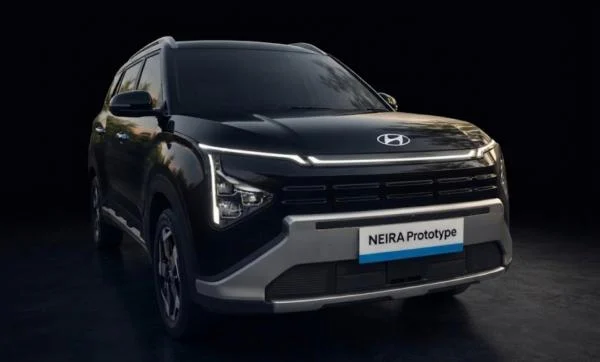
The automotive landscape in Indonesia is poised for a significant transformation as Hyundai Motors Indonesia (HMID) officially confirmed the upcoming debut of the Hyundai Neira. Scheduled for a grand unveiling at the Gaikindo Auto Week (GAW) 2026 on November 20, the Neira represents a strategic pivot for the South Korean automaker, specifically targeting the Indonesian family demographic that has long favored high-capacity vehicles. As the global automotive industry transitions toward electrification, Hyundai’s move to introduce a dedicated seven-seater electric vehicle (EV) signals a calculated attempt to dominate a segment currently underserved by battery-electric technology.
The Strategic Importance of the Seven-Seater Segment
In the Indonesian automotive market, the "seven-seater" configuration is more than just a preference; it is a cultural and logistical necessity. For decades, the Multi-Purpose Vehicle (MPV) and the three-row Sport Utility Vehicle (SUV) have accounted for the lion’s share of total vehicle sales in the country. Large, multi-generational families often travel together, making the seating capacity a non-negotiable factor for potential buyers.
Historically, the electrification of the Indonesian market has been dominated by sedans, hatchbacks, and compact crossovers. While these models have served as excellent entry points for early adopters, they have largely failed to address the needs of the average middle-to-upper-class Indonesian family. By introducing the Neira, Hyundai is effectively bridging the gap between sustainable mobility and the practical, space-intensive requirements of the domestic market.
Official Statements and Corporate Vision
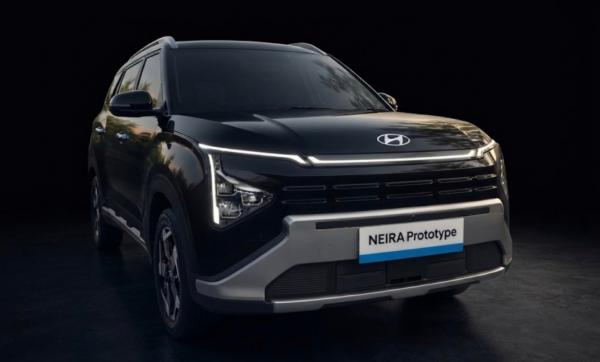
During the announcement in Jakarta on November 5, 2026, President Director of PT Hyundai Motors Indonesia, Kenny Lee, underscored that the Neira is not merely another product launch but a fundamental milestone in the company’s regional strategy. "As part of our unwavering commitment to the Indonesian market, we will introduce the Neira, an electric seven-seater SUV that represents the next chapter in Hyundai’s journey here," Lee stated.
Chief Operating Officer of HMID, Fransiscus Soerjopranoto, provided further context regarding the product development philosophy. "The Indonesian market is characterized by a strong affinity for MPVs and three-row vehicles. We have analyzed these consumption patterns extensively. The Neira is our response to that specific demand, ensuring that families do not have to compromise on their environmental values or their seating needs," Soerjopranoto explained. The executive’s remarks suggest that Hyundai has utilized localized feedback to fine-tune the Neira’s ergonomics and performance metrics to suit local road conditions and driving habits.
Chronology of Hyundai’s Electrification Drive in Indonesia
Hyundai’s ascent to the forefront of the Indonesian EV market did not happen overnight. The company’s trajectory has been marked by a series of deliberate investments and infrastructure projects:
- 2020-2021: Laying the Groundwork. Hyundai began its aggressive push into the market with the introduction of the Kona Electric and Ioniq Electric, establishing a presence in the premium EV space.
- 2022: Local Manufacturing. The inauguration of the Hyundai Motor Manufacturing Indonesia plant in Cikarang, West Java, marked a turning point. It became the first facility in Indonesia to produce EVs locally, specifically the Ioniq 5.
- 2023-2024: Ecosystem Integration. Hyundai expanded its involvement in the battery supply chain, partnering with LG Energy Solution to establish a battery cell factory in Karawang, ensuring a localized supply of critical components.
- 2025: Market Maturation. As public charging infrastructure, led by initiatives like the PLN-Hyundai collaboration, expanded across Java and Bali, consumer confidence in long-distance EV travel grew.
- 2026: The Neira Debut. The announcement of the Neira marks the transition from niche, high-performance EVs to mass-market family utility vehicles.
Technical Implications and Market Competition
While specific technical specifications for the Neira remain under strict embargo until the GAW 2026 opening, industry analysts expect the vehicle to leverage the E-GMP (Electric-Global Modular Platform) architecture. This platform is renowned for its modularity and flat-floor design, which is essential for maximizing interior volume in a seven-seater layout.

Competitors in the ICE (Internal Combustion Engine) segment, such as the Toyota Innova Zenix and the Mitsubishi Xpander, currently dominate the three-row space. To remain competitive, the Neira will likely need to offer a range exceeding 450–500 kilometers on a single charge and support ultra-fast DC charging capabilities, which have become a hallmark of Hyundai’s current EV lineup. Furthermore, the pricing strategy will be critical. If Hyundai can position the Neira within a competitive price bracket—potentially utilizing tax incentives for locally produced EVs—it could disrupt the dominance of traditional combustion-engine family cars.
Socio-Economic Impact and Infrastructure
The introduction of a high-capacity electric vehicle also highlights the necessity for sustained investment in the nation’s power grid. A seven-seater EV suggests a heavier curb weight and a larger battery pack, which increases the demand for high-speed charging. Hyundai’s commitment to the Neira is inherently linked to its broader investment in charging networks. By aligning its product strategy with the Indonesian government’s goal of becoming a global EV hub, Hyundai is not just selling a car; it is promoting an ecosystem.
The government’s "Electric Vehicle Incentive Program," which includes VAT reductions and luxury tax exemptions for cars with high domestic component levels (TKDN), will likely play a role in the Neira’s market entry. By manufacturing the Neira locally, Hyundai positions itself to maximize these benefits, making the vehicle an attractive proposition for government fleets and eco-conscious families alike.
Anticipation for Gaikindo Auto Week 2026
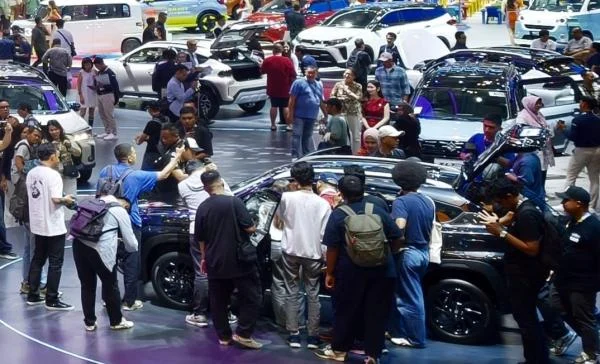
Gaikindo Auto Week (GAW) has historically served as a stage for brand-defining product launches. By choosing this venue, Hyundai is signaling that the Neira is a high-priority vehicle for the company’s 2027 fiscal year. Industry experts anticipate that the launch will include detailed demonstrations of the vehicle’s "Vehicle-to-Load" (V2L) capabilities, which would allow the Neira to power home appliances or outdoor camping equipment—a feature that aligns perfectly with the lifestyle of modern Indonesian families.

Future Outlook
The launch of the Hyundai Neira is a litmus test for the readiness of the Indonesian market to embrace fully electric family mobility. If the Neira achieves the success that the Ioniq 5 saw in the mid-size segment, it will accelerate the shift away from fossil-fuel-dependent MPVs.
Furthermore, the success of this model could dictate future investment flows into the region. If the Neira meets its sales targets, Hyundai is likely to expand its Cikarang production capacity to accommodate further variations of the platform, potentially exploring hybrid or extended-range electric vehicle (EREV) derivatives if consumer demand dictates.
Ultimately, the Neira represents a confluence of global engineering and local market understanding. As the industry moves toward the November 20 premiere, all eyes will be on whether Hyundai can successfully deliver on its promise of an "electric family car for all." The company’s ability to balance the sophisticated requirements of a seven-seater SUV with the efficiency of an electric drivetrain will likely define its market position for the next half-decade. Whether the Neira becomes the definitive choice for the modern Indonesian family remains to be seen, but its arrival is undoubtedly the most anticipated development in the nation’s automotive sector for the final quarter of 2026.