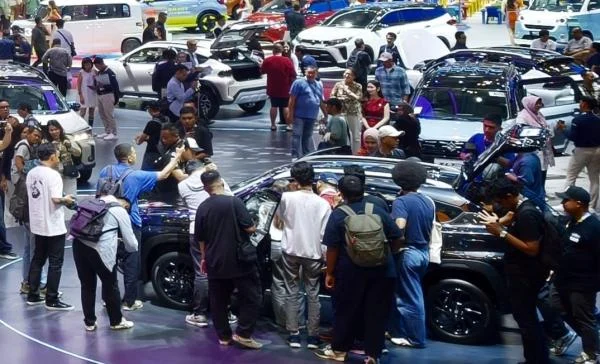
The automotive landscape in Indonesia is set to witness a significant milestone as the GIIAS (Gaikindo Indonesia International Auto Show) The Series 2026 arrives in Semarang. Following a series of successful exhibitions in Jakarta (ICE BSD City), Surabaya, and Bandung, the event is scheduled to take place from September 30 to October 4, 2026, at the Muladi Dome, Universitas Diponegoro (UNDIP). As the fifth iteration of the exhibition in the city, GIIAS Semarang 2026 serves as a critical platform for manufacturers to introduce cutting-edge vehicle technology while simultaneously acting as a barometer for the health of the regional automotive market.
A Strategic Pivot to Central Java
The selection of Semarang as a primary destination in the GIIAS calendar is far from incidental. Central Java represents a pivotal market for the Indonesian automotive industry, acting as a bridge between the highly saturated markets of West and East Java. For automotive brands, this exhibition is not merely about retail sales; it is a strategic effort to capture the growing purchasing power of the region’s middle class and to introduce the local consumer base to the rapid advancements in vehicle engineering.
The event, organized by the Association of Indonesia Automotive Industries (Gaikindo), aims to stimulate local economic activity and provide a comprehensive overview of the nation’s automotive capabilities. By moving the exhibition to a prominent venue like the Muladi Dome, organizers are positioning GIIAS Semarang as a premier destination for automotive enthusiasts, industry professionals, and potential buyers.
Chronology of the 2026 GIIAS Series
The 2026 tour has been characterized by its expansive reach, designed to decentralize the automotive narrative beyond the capital city. The chronology of this year’s series highlights a calculated approach to national coverage:
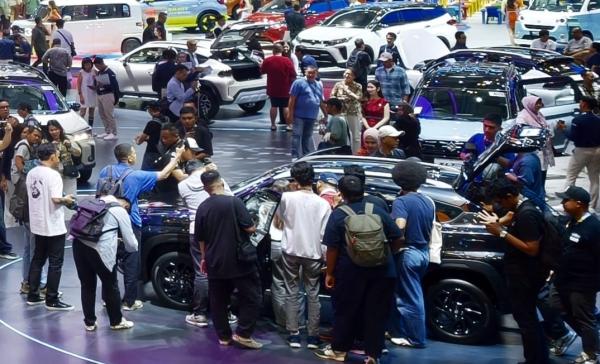
- The Opening Leg (Jakarta): The series commenced at ICE BSD City, where global brands debuted flagship models, setting the tone for the year’s technological trajectory, particularly in the realm of electrification.
- Expansion to Surabaya: As the hub of East Java, the Surabaya leg focused on commercial vehicles and mass-market passenger cars, reflecting the industrial and logistical needs of the region.
- The Bandung Connection: The West Java exhibition emphasized urban mobility solutions and the growing trend of compact SUVs, catering to the specific driving environment of the Bandung metropolitan area.
- The Semarang Milestone: The upcoming exhibition in Semarang is designed to consolidate the gains made in the first three stops, specifically targeting the Central Java market’s interest in hybrid technology and high-efficiency internal combustion engines.
Data-Driven Market Outlook
The significance of the Central Java market is underscored by robust sales data. According to figures provided by Gaikindo, the region has demonstrated resilience despite broader macroeconomic headwinds. As of April 2026, Central Java recorded total vehicle sales of 14,195 units. This figure represents approximately 5.1 percent of the national total, a statistic that underscores the region’s importance as a consistent contributor to the national automotive tally.
This market share is expected to grow as infrastructure projects in the region—including improved toll road connectivity and industrial park developments—continue to attract investment. The automotive industry is closely monitoring these trends, as increased industrial activity often correlates with a rise in commercial vehicle demand, while improved regional connectivity fuels the passenger vehicle segment.
The Rise of the Electric Ecosystem
A central theme of GIIAS Semarang 2026 will be the transition toward sustainable mobility. Kukuh Kumara, Secretary General of Gaikindo, has emphasized that the potential of the Central Java market is increasingly intertwined with the burgeoning electric vehicle (EV) ecosystem.
"The integration of charging infrastructure and the increasing presence of EV brands in our exhibition lineup indicate that the market is ready for the next phase of the automotive revolution," noted industry analysts tracking the event. While the primary market still leans heavily toward conventional fuel-efficient vehicles, the presence of EV manufacturers at GIIAS Semarang is a calculated move to foster consumer education and familiarity with battery-electric vehicle (BEV) and hybrid-electric vehicle (HEV) technology.
Industry Implications and Expert Perspectives
The hosting of GIIAS in Semarang is widely viewed as a signal of industry confidence. By rotating the event across various provinces, Gaikindo is effectively decentralizing the automotive supply chain and retail network. This approach allows manufacturers to build brand equity in regions that are traditionally underserved by massive flagship showrooms.

From a regulatory standpoint, the industry remains focused on navigating the evolving financial landscape. While the industry pushes for higher sales, there is a parallel emphasis on responsible financing. Recent regulatory updates from the OJK (Financial Services Authority) regarding the prohibition of using debt or illicit funds for capital market activities serve as a reminder that the broader financial environment—which underpins automotive credit and leasing—is becoming more stringent. This ensures that the growth observed in the automotive sector remains sustainable and shielded from systemic risks.
Anticipated Impact on the Regional Economy
The economic ripple effects of an event like GIIAS are multifaceted. Beyond the immediate transaction value of vehicles sold during the five-day exhibition, the event serves as a massive logistical exercise that involves local contractors, security services, hospitality providers, and media agencies.
For the city of Semarang, the arrival of GIIAS is an opportunity to highlight its status as a growing hub for business events. The use of the Muladi Dome, a modern and high-capacity facility, allows for a professional display of vehicles that matches the standards set in Jakarta. Furthermore, the presence of various automotive brands, parts suppliers, and aftermarket services creates a holistic environment where consumers can compare products, access financing, and learn about maintenance in a single, curated space.
Challenges and Future Trajectories
Despite the optimism surrounding the 2026 series, the industry faces ongoing challenges. Global supply chain disruptions, fluctuations in the price of raw materials, and the need for a more robust national charging infrastructure remain persistent topics of discussion. However, the commitment of Gaikindo to maintain the GIIAS momentum suggests a long-term outlook that prioritizes market expansion over short-term volatility.
Looking toward the remainder of 2026, the data gathered from the Semarang exhibition will likely be used by manufacturers to adjust their distribution strategies for the final quarter. If the region sustains its 5.1 percent contribution to the national total, it is highly probable that brands will increase their localized marketing spend and after-sales presence in Central Java throughout 2027.

Conclusion: A Vision for National Automotive Progress
The GIIAS Semarang 2026 is more than just a car show; it is an articulation of Indonesia’s automotive ambition. By bringing the latest global innovations to the doorstep of Central Java, the exhibition bridges the gap between urban centers and regional markets. As the industry continues to balance the demands of traditional consumer preferences with the inevitable shift toward green technology, platforms like GIIAS will remain essential for driving growth, fostering competition, and ensuring that the Indonesian automotive sector remains competitive on the global stage.
As the doors open on September 30, the focus will be on how effectively the industry can translate consumer interest into sustained market demand. With a clear strategy, strong organizational backing, and a receptive regional audience, the Semarang leg of GIIAS The Series 2026 is positioned to be a landmark event for the automotive industry in Central Java. Stakeholders will be watching closely, not just for the volume of sales, but for the qualitative shift in consumer sentiment toward the vehicles of the future.