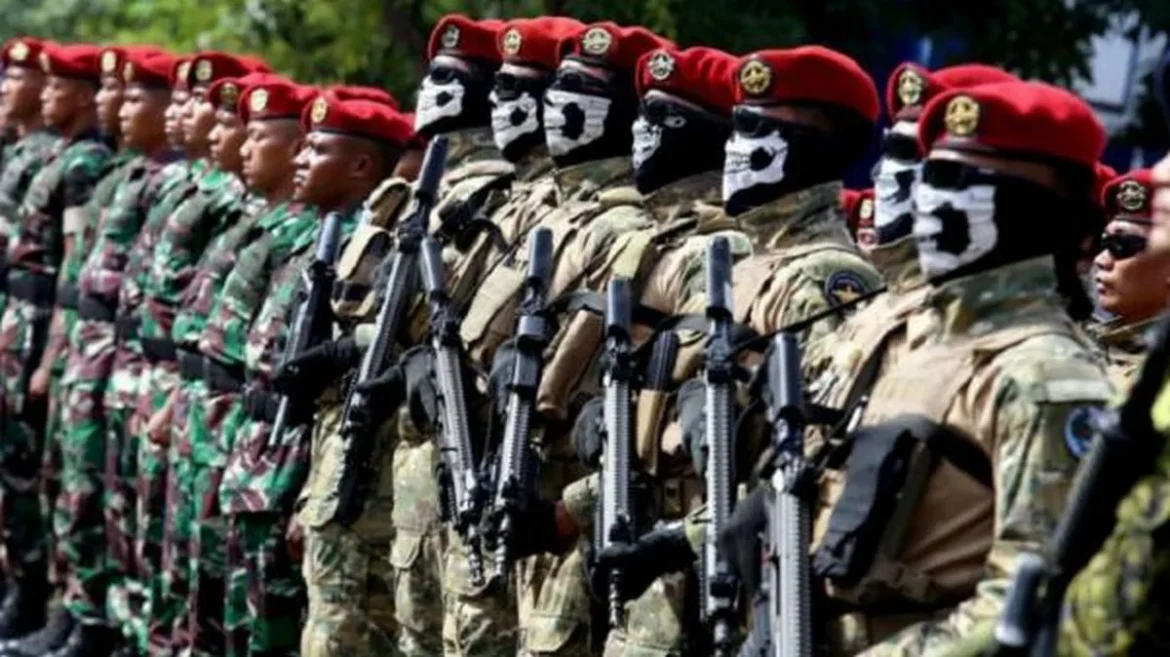
The Indonesian Navy (Tentara Nasional Indonesia Angkatan Laut, or TNI AL) has officially confirmed the mass mobilization and deployment of its personnel into the capital city of Jakarta. This strategic movement of military assets and troops has drawn significant public attention, prompting official clarifications from high-ranking defense officials. According to the military leadership, the ongoing deployment serves a dual purpose: reinforcing national security and stability in the strategic capital region, and conducting intensive preparations for upcoming large-scale military exercises, notably the operational-level training (OVT) maneuvers.
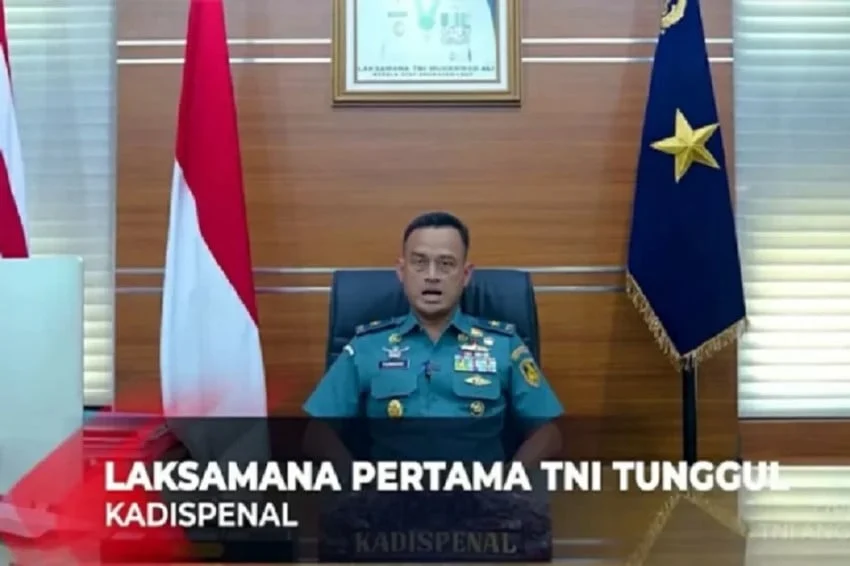
The confirmation was formally delivered by the Head of the Indonesian Navy Information Service (Kadispenal), First Admiral Tunggul. Addressing media inquiries and public curiosity on Wednesday, November 4, 2026, Admiral Tunggul verified that reports detailing the troop movements into the metropolitan area are accurate. As the political, economic, and administrative heart of Indonesia, Jakarta remains a focal point for national security frameworks, requiring constant readiness and strategic oversight from all branches of the Indonesian National Armed Forces (TNI).
Strategic Context and Operational Rationale
The deployment of naval personnel to an inland metropolitan center like Jakarta might appear unconventional to external observers, given that the Navy’s primary domain encompasses maritime defense, coastal protection, and naval warfare. However, within the doctrinal framework of the Indonesian Armed Forces, military operations other than war (MOOTW), territorial readiness, and joint-defense strategies frequently require inter-branch synergy and the strategic positioning of personnel across key national hubs.
Military analysts note that the capital city acts as the nerve center for government administration, foreign embassies, and critical national infrastructure. Consequently, maintaining a robust security posture in and around Jakarta is a matter of paramount national interest. The TNI AL, alongside its sister branches—the Indonesian Army (TNI AD) and the Indonesian Air Force (TNI AU)—maintains contingency plans that mandate high levels of operational readiness.
Furthermore, the integration of naval forces into capital-region readiness protocols underscores the comprehensive nature of modern defense planning. Urban centers are increasingly viewed as complex security environments that require multi-domain coordination, combining naval logistical capabilities, ground defense units, and air surveillance networks to preempt potential threats and ensure seamless crisis response capabilities.
Preparation for Upcoming Military Exercises
A primary driver behind the current mobilization is the meticulous planning and execution of upcoming military drills, specifically the operational-level training (OVT) exercises. These exercises are vital components of the TNI’s annual training calendar, designed to test the tactical proficiency, logistical agility, interoperability, and combat readiness of various military units.
Modern military exercises of this scale require extensive preparation, encompassing the movement of personnel, command and control infrastructure setup, communication testing, and coordination among different military commands. By staging certain preparatory phases and command integration activities in or near Jakarta, TNI AL leadership can better coordinate with the TNI Headquarters (Mabes TNI) and other joint command elements.

The OVT exercises are expected to evaluate how naval components integrate with land-based and air-based defense systems under simulated high-pressure scenarios. These drills are critical for ensuring that Indonesia’s military forces can respond rapidly and cohesively to any conventional or asymmetric threats facing the archipelago.
Broader Military Readiness and Inter-Branch Coordination
The mobilization of TNI AL personnel aligns with a broader, synchronized readiness posture across the entire armed forces. In a parallel development, the Indonesian Army (TNI AD) also addressed questions regarding troop movements toward Jakarta, emphasizing that ground forces must perpetually maintain a state of high readiness to respond to national defense requirements and directives from military leadership.
The synchronized statements from both the Navy and the Army reflect a cohesive command structure under the TNI Commander. This high degree of coordination ensures that all branches remain agile, responsive, and fully prepared to execute assigned duties, whether those duties involve territorial defense, civil-military operations, or readiness training.
For the TNI AL, maintaining readiness involves not only blue-water operations in Indonesia’s vast archipelagic waters and Exclusive Economic Zones (EEZ) but also ensuring that marine infantry, logistical units, and administrative command elements can deploy and integrate effectively within joint operations framework anywhere in the country.
Implications and Public Assurance
In light of the visible troop movements and heavy equipment mobilization across transit corridors leading into Jakarta, military authorities have actively sought to reassure the public. Officials stress that the deployments are routine administrative and operational procedures tied exclusively to defense preparedness and scheduled training modules. There is no immediate domestic security emergency prompting these movements; rather, they reflect proactive defense management and routine capability enhancement.
The transparency demonstrated by the TNI leadership through timely confirmations by spokespersons like First Admiral Tunggul aims to prevent misinformation or unnecessary public anxiety. In an era where digital information spreads rapidly—often accompanied by speculation or unverified contextual framing—official statements serve to maintain public trust and underscore the transparent nature of military operations.
As preparations for the OVT exercises progress, residents in and around Jakarta can expect to see continued military logistical activity, coordination meetings, and preparatory drills. The TNI remains committed to transparency while simultaneously upholding the operational security necessary to maintain national stability and safeguard the sovereignty of the Republic of Indonesia.