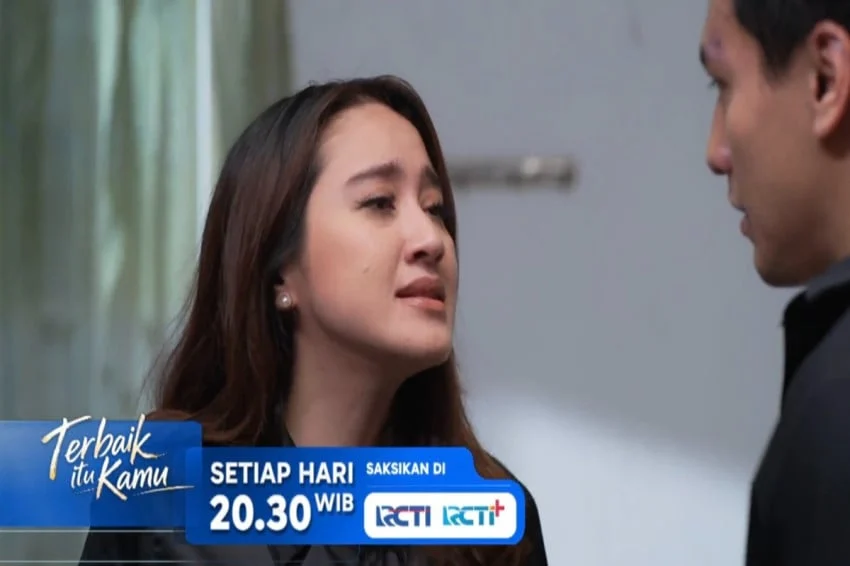
The Indonesian television landscape continues to be dominated by high-stakes drama series that blend emotional narrative arcs with fast-paced action, a trend epitomized by the ongoing broadcast of "Terbaik Itu Kamu." Airing daily at 20:30 WIB on RCTI, the series has carved out a significant viewership segment by exploring complex themes of betrayal, familial duty, and the moral ambiguity often associated with power and wealth. Produced by a consortium of industry veterans, the show is currently navigating its second act, where the consequences of past actions are beginning to manifest in the lives of its primary protagonists.
Production and Narrative Framework
The series is anchored by a robust ensemble cast that bridges generations of Indonesian acting talent. Salsabila Andriani, portraying the resilient Sera Maharani, serves as the moral compass of the narrative, while Jefri Nichol delivers a layered performance as Kenzi Adrian—a character defined by his internal conflict between his desire for legitimacy and his propensity for volatile action. The supporting cast, featuring Marvin Daneswara as Arya Vasco, Rachel Patricia as Clara Putri, and veteran actors Benny Ruswandi and Cinta Dewi, provides the necessary friction that drives the plot forward.
From a production standpoint, "Terbaik Itu Kamu" utilizes a multi-genre approach. By weaving together romance, family drama, and choreographed action sequences, the show effectively retains a diverse audience demographic. Market research on local primetime television indicates that audiences gravitate toward narratives that offer "escapism through intensity," a hallmark of this production. The integration of high-stakes physical conflict with intimate family turmoil reflects a shift in Indonesian soap opera tropes, moving away from purely domestic struggles toward more cinematic storytelling.
Chronology of Recent Events
The latest narrative arc has been marked by a pivotal tragedy that has shattered the status quo for the main characters. Following a somber funeral service, the core group—Sera, Kenzi, Lita, Alea, and Bebeto—attempted to navigate the immediate aftermath of their loss. The journey home, characterized by an attempt at levity by the character Bebeto, was abruptly interrupted by the sight of a "bendera kuning" (a traditional Indonesian funeral marker), which served as a stark visual metaphor for the lingering presence of death and the fragility of their current peace.
The tension escalated rapidly upon their return to the household. A discovery made by Alea regarding the financial state of the family acted as a catalyst for the latest conflict. Alea, stumbling upon a suitcase filled with cash in Lena Saputri’s room, simultaneously processed news reports detailing Kenzi’s recent professional defeat. This combination of visual evidence led to an immediate, emotionally charged confrontation. Alea accused Kenzi of reverting to his association with the antagonist, Prayoga Bratanegara, and blamed the accumulation of "tainted" money for the recent familial tragedy. This accusation forced a fracture in the group’s unity, resulting in Alea fleeing the premises and leaving the remaining characters in a state of crisis.
Character Analysis and Psychological Stakes
The psychological burden carried by Kenzi Adrian has become the central focus of the current episodes. Kenzi’s breakdown, characterized by an obsessive cycle of "what-if" scenarios, highlights the trauma inherent in the character’s background. During a confrontation with Sera, Kenzi admitted to a paralyzing fear of insignificance—a belief that without his capacity for physical violence and illicit work, he is effectively a non-entity.
Sera’s response, which prioritizes moral agency over circumstantial outcomes, represents the show’s attempt to instill a philosophical dimension to the drama. Her argument—that a person’s value is defined by the decisions they make rather than their external circumstances—serves as the primary foil to Kenzi’s nihilistic outlook. This dialogue is emblematic of the show’s broader thematic goal: to examine the intersection of systemic poverty and personal morality.
Industry Context and Audience Engagement
The success of "Terbaik Itu Kamu" in the 20:30 WIB slot is not accidental. RCTI has strategically placed the show to capitalize on the "primetime peak," the period when household viewership is at its highest. Data from various audience measurement firms in Indonesia suggests that dramas featuring strong emotional stakes tend to generate higher engagement on social media platforms, which in turn fuels the longevity of the series.
The show’s ability to maintain high ratings during its 13th episode and beyond is a testament to its pacing. By utilizing a "cliffhanger-heavy" narrative structure, the production team ensures that viewers are incentivized to return the following evening. This method of serialized storytelling is standard practice in the industry, yet "Terbaik Itu Kamu" distinguishes itself through its higher production values and more nuanced character motivations compared to traditional "sinetron" formats of the previous decade.
Implications of the Narrative Shift
As the series moves forward, the decision by Kenzi to depart alone, taking the suitcase of money with him, signifies a major shift in the power dynamics of the show. By removing himself from the immediate protection of his social circle, Kenzi has essentially opted for a self-imposed exile. This move has several implications for the future of the storyline:
- Isolation as a Narrative Driver: The separation of the protagonist from his support system will likely lead to a darker, more solitary exploration of his character.
- The Moral Test for Sera: Sera’s commitment to caring for Alea and filling the void left by the departure of other family members positions her as the primary protagonist, shifting the focus from Kenzi’s past to the future of the survivors.
- The Antagonist’s Resurgence: The suitcase of money, which serves as a symbol of the connection to Prayoga Bratanegara, suggests that despite Kenzi’s attempt to escape his past, the shadow of his former employer will continue to influence his choices.
Future Projections
Industry analysts tracking the performance of RCTI’s current programming note that the trajectory of "Terbaik Itu Kamu" will likely depend on how the writers handle the redemption arc for Kenzi. If the character remains stuck in a cycle of self-destruction, the show risks alienating viewers who prefer a more optimistic resolution. However, if the narrative successfully pivots toward a redemption story where Kenzi must earn his way back into the good graces of his family, the show could sustain its current ratings success for several more months.
The production team, under the umbrella of MNC Media, has maintained a high level of secrecy regarding upcoming plot twists, a common strategy to prevent spoilers and maintain the element of surprise. Public statements from the cast have hinted at "unforeseen alliances" and "the unveiling of hidden motives," suggesting that the conflict with the Bratanegara family is far from concluded.
Conclusion
"Terbaik Itu Kamu" stands as a significant case study in contemporary Indonesian television. By blending the high-stakes, action-oriented requirements of modern viewership with the traditional, emotionally-heavy tropes of local family dramas, it has successfully captured a loyal audience. As the story continues to unfold at 20:30 WIB on RCTI, the focus remains on whether the characters—specifically Kenzi and Sera—can overcome the baggage of their pasts or if they are destined to repeat the mistakes that have already cost them so much. With the departure of key figures and the widening rift within the family, the series is currently at its most critical juncture, promising a period of intense narrative development that will likely define the remainder of its run.