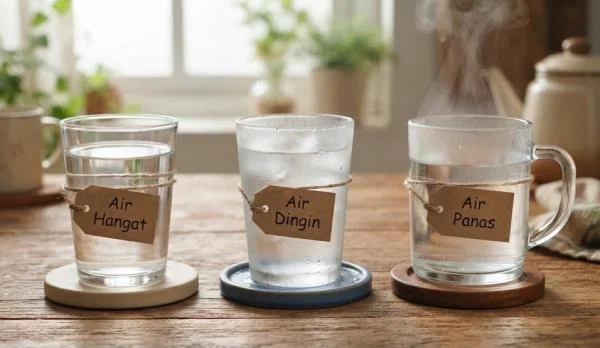
Hydration remains one of the most fundamental pillars of human health, yet the physiological nuances of how we consume water are frequently overlooked. While the primary objective of drinking water is to maintain systemic fluid balance, support metabolic processes, and ensure cellular efficiency, the temperature of the fluid ingested plays a surprisingly active role in how the human body reacts. Recent health research highlights that choosing between ice-cold, room-temperature, warm, or hot water is not merely a matter of sensory preference or cultural habit. Different thermal states of water can trigger distinct physiological responses, ranging from enhanced post-exercise thermoregulation to improved gastrointestinal comfort and the alleviation of upper respiratory congestion.
Despite the growing body of literature examining these effects, health professionals emphasize that individual needs and environmental contexts dictate the ideal choice. There is no single universal temperature that serves every biological requirement optimally. Instead, understanding the specific mechanisms of how cold, warm, and hot water interact with our internal systems allows individuals to tailor their hydration habits for maximum well-being.
The Physiological Role of Hydration and Thermal Responses
Water constitutes approximately 60 percent of the adult human body, influencing nearly every major organ system, including the cardiovascular, renal, and nervous systems. Maintaining euhydration—the optimal state of body water—ensures proper blood volume, nutrient transport, waste elimination, and internal temperature regulation. When humans ingest fluids, the gastrointestinal tract rapidly processes the liquid, adjusting its temperature closer to core body temperature (approximately 37 degrees Celsius or 98.6 degrees Fahrenheit) before it is absorbed into the bloodstream.
However, the journey from ingestion to systemic absorption involves localized interactions with the digestive tract, mucous membranes, and thermoreceptors. These interactions explain why a glass of ice water feels markedly different inside the body compared to a warm herbal infusion. While the ultimate destination of the water is systemic cellular hydration, the immediate sensory and physiological feedback loops vary significantly based on thermal inputs.
To better understand these dynamics, health experts and researchers have categorized the effects of water based on three primary temperature ranges: cold, warm, and hot. Each category offers unique benefits supported by varying degrees of scientific observation, though researchers continue to study the long-term clinical implications of these habits.
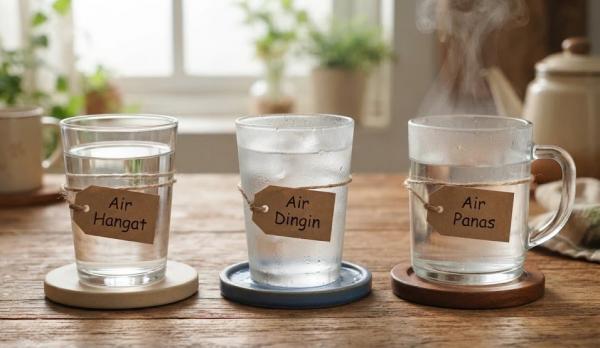
Ice-Cold Water: Recovery and Exercise Performance
For many individuals, particularly in tropical climates or following strenuous physical exertion, ice-cold water is the preferred choice. The immediate sensation of coolness provides psychological relief and helps combat the feeling of internal overheating.
From a physiological standpoint, cold water is exceptionally beneficial during and after intense physical activity. When engaging in rigorous exercise, the core body temperature rises significantly as metabolic heat production increases. To cool itself, the body redirects blood flow to the skin and initiates perspiration. Consuming cold water during this state can help blunt the rise in core body temperature, thereby improving exercise endurance and comfort in hot environments.
Furthermore, studies suggest that cold water empties from the stomach slightly faster than warm water under specific conditions, or at least is perceived as more palatable, which can encourage higher fluid intake among athletes who might otherwise neglect rehydration due to heat exhaustion. Enhanced palatability directly translates to better compliance with daily fluid intake goals, reducing the risk of dehydration-induced fatigue, headaches, and cognitive decline.
However, cold water may not be ideal for everyone. Individuals with certain gastrointestinal sensitivities, such as achalasia (a rare disorder that makes it difficult for food and liquids to pass from the esophagus into the stomach) or those prone to cold-induced headaches (brain freeze), may find that cold beverages exacerbate their symptoms. For the general population, however, cold water remains a safe and effective tool for rapid cooling and refreshment.
Warm Water: Supporting Digestion and Daily Routine
Moving up the thermal spectrum, warm water—typically ranging from 45 to 50 degrees Celsius (113 to 122 degrees Fahrenheit)—has long been a staple of traditional health practices, such as Ayurveda and traditional Chinese medicine, and is increasingly validated by modern wellness science.
The primary benefit of consuming warm water centers on the gastrointestinal tract. Drinking warm fluids in the morning can act as a gentle stimulant for the digestive system, helping to wake up the gut and encourage regular bowel movements. The warmth helps dilate blood vessels in the digestive tract, potentially enhancing blood flow and supporting the efficient breakdown of ingested foods.

For individuals experiencing mild digestive sluggishness or constipation, incorporating warm water into their morning routine can provide natural relief without the need for interventions. Additionally, warm water promotes a sense of systemic relaxation. By soothing the smooth muscles of the digestive tract, it can help reduce minor cramping and bloating, making it a comforting choice after a heavy meal.
Beyond digestion, warm water is frequently recommended for maintaining optimal hydration throughout the workday. Because it lacks the jarring thermal shock of ice water, many people find it easier to sip consistently over extended periods, ensuring a steady, uninterrupted supply of fluids to tissues and organs.
Hot Water: Decongesting and Soothing Upper Airways
When water reaches higher temperatures—approaching the point of herbal teas or hot lemon water—it transitions into a therapeutic tool primarily utilized for respiratory and throat health.
The most prominent benefit of hot water and steam is its ability to alleviate upper respiratory congestion. Inhaling the steam rising from a hot cup of water while simultaneously sipping it helps loosen thick mucus in the sinuses and respiratory tract. This makes hot water particularly valuable during cold and flu season, or for individuals suffering from seasonal allergies, sinusitis, or bronchitis.
The warmth of the fluid also provides a soothing effect on an irritated throat, offering temporary relief from the scratchiness and pain associated with pharyngitis. While hot water does not cure viral infections, it provides supportive symptomatic relief, keeping the mucous membranes moist and aiding the body’s natural defense mechanisms in trapping and expelling pathogens.
It is important to exercise caution with excessively hot beverages. Consuming liquids at scalding temperatures—above 65 degrees Celsius (149 degrees Fahrenheit)—has been associated by the World Health Organization’s International Agency for Research on Cancer with an increased risk of esophageal injury and squamous cell carcinoma of the esophagus over time. Therefore, letting hot water cool to a safe, comfortable drinking temperature is crucial for maximizing benefits while protecting delicate mucosal tissues.

Contextualizing Fluid Choices Within Global Health Trends
The discourse surrounding water temperature is part of a broader, evolving conversation about preventative health, wellness optimization, and personalized nutrition. As public health agencies worldwide grapple with rising rates of lifestyle-related chronic illnesses, emphasizing the fundamentals of health—such as adequate hydration, balanced nutrition, and physical activity—remains a cornerstone of clinical guidance.
In nations with tropical climates, such as Indonesia, where ambient temperatures remain high year-round, the cultural preference heavily leans toward cold or ambient-temperature water for immediate thermal relief. Conversely, in many East Asian cultures, warm or hot water is traditionally consumed throughout the day, driven by the belief that it preserves internal vital energy and supports smooth metabolic processing.
Public health experts note that while cultural practices and personal preferences heavily influence these habits, the physiological bottom line remains constant: the absolute volume of water consumed is far more critical than its temperature. Meeting daily fluid requirements—typically estimated around 2 to 3 liters per day for adults, adjusted for activity level, climate, and body size—takes precedence over thermal optimization.
Scientific Consensus and Future Research Directions
Despite the widespread anecdotal evidence supporting the varied benefits of water temperature, clinical gastroenterologists and sports medicine researchers point out that rigorous, large-scale randomized controlled trials specifically comparing long-term health outcomes of different water temperatures are relatively scarce.
Most existing studies focus on acute physiological markers, such as gastric emptying rates, esophageal motility, sweat rates, and subjective comfort scores. Researchers emphasize that the human body possesses robust homeostatic mechanisms capable of rapidly adjusting the temperature of ingested fluids. Within moments of reaching the stomach, biological processes work to normalize the temperature of the liquid, meaning that the systemic long-term impact of water temperature is relatively minor compared to the chemical composition and purity of the water itself.
Current research efforts are increasingly focused on how hydration habits intersect with metabolic health, cognitive performance in workplace settings, and geriatric care, where chronic dehydration poses severe clinical risks. As these scientific investigations continue to progress, health authorities recommend that individuals listen to their bodies and choose the water temperature that encourages them to maintain optimal, consistent daily hydration.

Practical Implications for Daily Life
For the average consumer navigating the overwhelming array of health advice, the key takeaway is flexibility. There is no rigid prescription dictating that one must strictly drink ice water or exclusively consume warm water.
- Post-Workout and Hot Days: Opt for cool or cold water to assist with core temperature regulation, enhance palatability, and encourage higher fluid intake when sweating heavily.
- Morning Routines and Digestion: Consider starting the day with a glass of warm water to gently stimulate the digestive tract and foster a sense of internal comfort.
- Respiratory Distress and Cold Weather: Utilize hot water, herbal teas, or warm lemon water to soothe a sore throat, leverage steam inhalation for sinus relief, and maintain hydration during colder months.
By aligning water temperature with personal physiological needs, environmental conditions, and specific health goals, individuals can optimize their daily hydration routines to support overall vitality and long-term wellness.