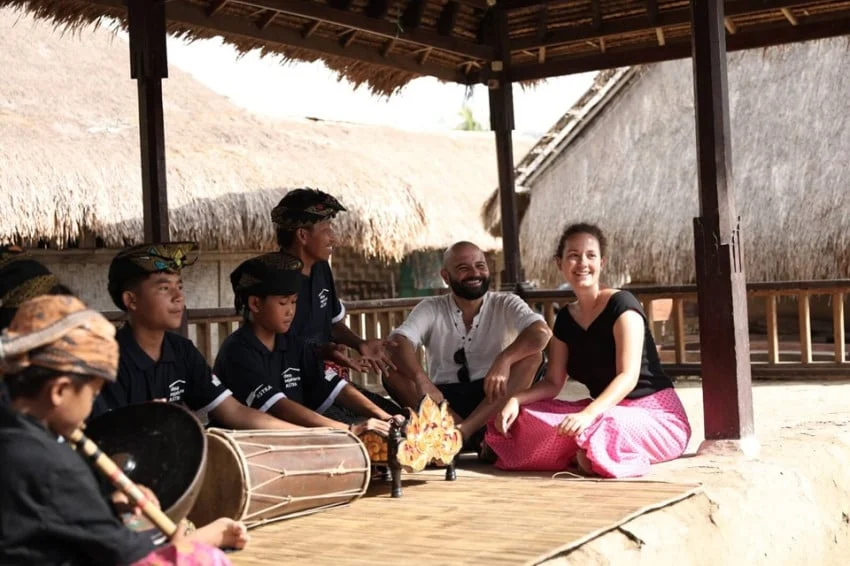
The rural economy of Central Lombok in Indonesia’s Nusa Tenggara Barat (NTB) province has experienced a remarkable surge, anchored by the preservation and commercialization of indigenous heritage. In Desa Sasak Ende, located within Sengkol Village in the Pujut District of Central Lombok Regency, traditional weaving, authentic local culinary practices, and immersive cultural tourism have transformed the local socioeconomic landscape. Between January and October 2026, grassroots business activities orchestrated by the community generated an estimated economic turnover of IDR 1.6 billion, reflecting a robust model of sustainable community-based tourism and enterprise development.
This economic vitality is the result of a deliberate, structured intervention designed to convert the cultural wealth of the indigenous Sasak tribe into viable commercial opportunities. By actively engaging local residents in the production of handwoven textiles, the processing of indigenous food products, and the management of community-led tourism ventures, the village has established a thriving ecosystem of micro-enterprises. At the heart of this transformation is strategic corporate mentorship and regional development programs aimed at empowering rural populations through capacity building and market access.
The Genesis of Sustainable Empowerment: Chronology and Partnership
The modern economic chapter of Desa Sasak Ende began to take definitive shape through structured initiatives implemented under the banner of corporate social responsibility and regional economic empowerment. In 2025, PT Astra International Tbk formally initiated a comprehensive community development project in the area, operating through the Desa Sejahtera Astra (DSA) framework. This program was deployed in close synergy with the Ecobiz Desa Sejahtera Astra Lombok mentoring initiative, establishing a long-term roadmap to elevate the living standards of rural inhabitants.
The collaboration was designed to address structural economic challenges common in rural tourism destinations—namely, reliance on passive tourism, limited value addition to local commodities, and a lack of formal business management skills among residents. The intervention timeline commenced in early 2025 with baseline assessments of local artisanal capabilities and culinary traditions. By mid-2025, targeted training modules were introduced, focusing on financial literacy, quality control for handwoven textiles, hygiene standards in food preparation, and digital marketing readiness.
Throughout late 2025 and into 2026, the mentoring shifted toward infrastructure enhancement and experiential tourism product development. This progressive timeline ensured that by the time tourism arrivals peaked in 2026, the local community was fully equipped to host visitors, manage transactions transparently, and deliver standardized, high-quality cultural experiences. The economic fruit of this meticulous preparation materialized swiftly, culminating in the IDR 1.6 billion revenue milestone recorded across the first ten months of 2026.
Diversifying the Visitor Experience: The Rise of Gastronomy Tourism
While traditional handwoven textiles—known locally as kain tenun—have long served as a primary souvenir for visitors exploring the traditional thatched-roof architecture of the Sasak village, recent developmental strategies have sought to diversify income streams. A cornerstone of this diversification is the formal introduction of gastronomy tourism, an experiential sector designed to immerse travelers in the culinary heritage of the indigenous population.
To facilitate this, dedicated infrastructure has been established within the village, most notably specialized cooking class facilities. Rather than merely purchasing prepared meals or observing cultural performances from a distance, tourists are now invited to participate directly in the culinary arts of the Sasak people. This hands-on approach allows visitors to trace local ingredients from their raw agricultural forms to the final cooked dish, deepening their appreciation for indigenous foodways.
The culinary initiatives place a strong emphasis on indigenous crops that have sustained the local population for generations, notably corn and various root vegetables. By incorporating these staple ingredients into interactive cooking workshops, the community not only preserves ancient dietary traditions but also creates a lucrative commercial channel for local farmers and food processors. Visitors gain insights into traditional spice pastes, indigenous cooking techniques, and the cultural significance of specific dishes served during communal ceremonies.
Institutional Strengthening and Community Leadership
Sustainable rural development requires robust local institutions capable of maintaining momentum independently of external mentors. In Sasak Ende, this capacity-building pillar is spearheaded by the local Tourism Awareness Group, commonly known as Kelompok Sadar Wisata (Pokdarwis).
Under the umbrella of the Astra mentoring program, Pokdarwis members have undergone intensive training to enhance their competencies in destination management, visitor safety, tour guide interpretation, and hospitality standards. The group acts as the administrative and operational backbone for tourism activities in the village, coordinating visitor schedules, maintaining public amenities, and ensuring that tourism proceeds are distributed equitably among participating households.
Furthermore, the empowerment framework places significant emphasis on strengthening Micro, Small, and Medium Enterprises (MSMEs). Local artisans and food vendors receive continuous guidance on product packaging, pricing strategies, and inventory management. This institutional strengthening ensures that economic gains from the tourism sector do not concentrate in the hands of external intermediaries, but instead remain within the village to fund community needs, education, and micro-business reinvestment.
Macroeconomic Context: Regional Growth and Tourism Resilience
The localized success of Desa Sasak Ende aligns closely with broader macroeconomic trends sweeping through eastern Indonesia. According to national economic reports for the third quarter of 2026, the Indonesian economy expanded by 5.47 percent year-on-year, with the Bali and Nusa Tenggara region emerging as standout performers in regional economic growth. This stellar regional performance was heavily driven by a resurgence in domestic and international tourism arrivals, infrastructural investments, and strengthened regional supply chains.
Within this favorable macroeconomic climate, NTB has positioned itself as a premier destination for cultural and sustainable tourism. The provincial government’s emphasis on developing village-level tourist destinations—often referred to as desa wisata—has created a synergistic effect, drawing high volumes of travelers eager to experience authentic, community-managed attractions. Desa Sasak Ende has capitalized on this momentum, leveraging its well-preserved cultural authenticity to attract visitors seeking meaningful travel experiences away from conventional mass-tourism hubs.
Economic analysts note that community-based tourism models of this scale act as powerful buffers against economic shocks. By integrating multiple economic pillars—handicrafts, agriculture-based culinary ventures, and cultural guiding—local households maintain diversified income sources. If tourism arrivals experience seasonal dips, artisanal production and local food sales provide a stable financial floor.
Broader Implications and Future Outlook
The trajectory of Desa Sasak Ende offers a replicable blueprint for rural economic development across the Indonesian archipelago. By fusing corporate social responsibility initiatives with indigenous cultural assets, marginalized rural communities can transition from passive participants in the tourism economy to active, empowered business owners.
The integration of capacity building, infrastructural investment, and institutional strengthening—exemplified by the partnership between corporate entities like PT Astra International Tbk and local groups like Pokdarwis—demonstrates the efficacy of collaborative development models. As the village looks toward the future, plans are reportedly underway to further expand market reach through digital platforms, enabling local weavers and food producers to market their goods beyond the physical boundaries of the village.
Ultimately, the economic milestone achieved by Desa Sasak Ende in 2026 underscores a vital truth in modern regional development: cultural preservation and economic prosperity are not mutually exclusive. When properly mentored, organized, and supported, indigenous heritage can serve as a powerful catalyst for sustainable poverty alleviation, youth employment, and community resilience in rural Indonesia.