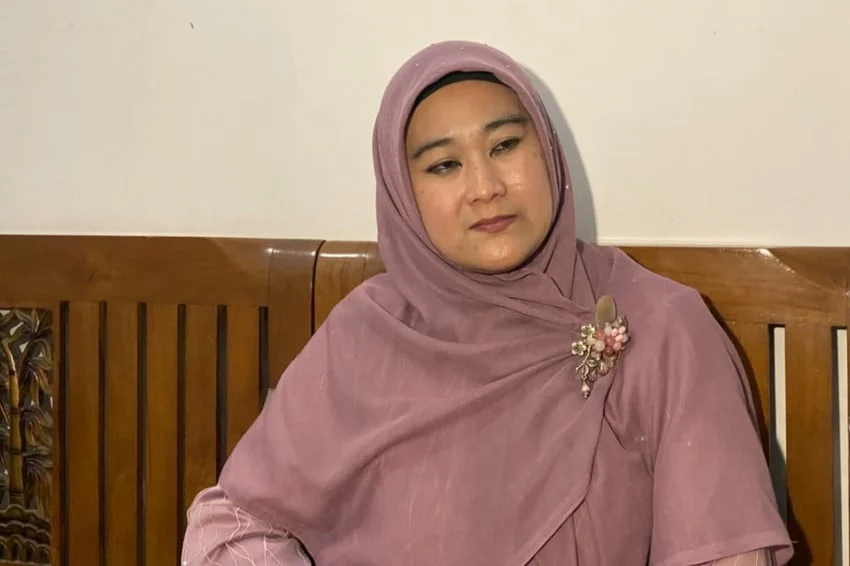
The role of television media in disseminating religious education has evolved significantly over the past decade, shifting from traditional lecture formats to interactive, community-based platforms. Among the programs at the forefront of this transformation is Cahaya Hati Indonesia, aired on iNews TV. Recently, Ustazah Inarotul Ain, a prominent figure in the program, highlighted the profound impact the show has had on her personal and professional journey. Speaking at the Masjid Nuurus Saadah in Bekasi on November 8, 2026, the Ustazah emphasized that her participation transcends simple broadcasting; it serves as a vital network for scholars and a conduit for communal spiritual enrichment.
The Significance of Televised Religious Discourse
In an era dominated by digital content, television programs that focus on Islamic scholarship remain a cornerstone for millions of viewers in Indonesia. Cahaya Hati Indonesia has carved out a unique niche by blending high-production value with the intimacy of a majelis taklim (religious study circle). For Ustazah Inarotul Ain, the program represents a dual-purpose endeavor: it is a platform for dakwah (proselytizing) and a scholarly environment where she can engage with fellow ulema (scholars), habibs (descendants of the Prophet), and laypeople.
"The barakah (blessing) of this silaturahim (maintaining bonds of kinship and friendship) is profound," Inarotul stated during her session in Bekasi. "It has granted me the opportunity to connect with many learned individuals—ulama whose knowledge is vast and inspiring—as well as the dedicated jamaah (congregation members) who form the heart of these gatherings."
Chronology of the Cahaya Hati Indonesia Initiative
The program’s trajectory reflects the broader demand for accessible, high-quality religious programming in Indonesia. Since its inception, Cahaya Hati Indonesia has aimed to bridge the gap between complex theological concepts and daily life, ensuring that religious values remain relevant in a modern, fast-paced society.
- Foundational Phase: The program was launched to provide a reliable source of religious education amidst the proliferation of unverified online content.
- Expansion of Reach: By incorporating segments from various mosques across Indonesia, including Masjid Nuurus Saadah, the program effectively decentralized religious discourse, allowing viewers to see the diversity of Islamic practice across the archipelago.
- Integration of Scholars: Over the past several years, the program has successfully curated a roster of diverse speakers, ranging from traditionalist kyais to contemporary urban preachers, fostering a comprehensive and moderate Islamic perspective.
- 2026 Milestone: The ongoing presence of the program as of late 2026 signals its sustained relevance and its success in maintaining high viewership numbers, even as traditional television faces stiff competition from social media platforms.
Scholarly Networking and Intellectual Exchange
One of the most significant, yet often overlooked, aspects of Cahaya Hati Indonesia is its role as an intellectual hub. For scholars like Ustazah Inarotul Ain, the program functions as a mobile conference. By bringing together experts from different backgrounds, the show facilitates an exchange of ideas that might not otherwise occur in isolated local mosques.
The collaborative nature of the program encourages a cross-pollination of knowledge. When an Ustazah shares a platform with a senior Habib or an expert in Fiqh (Islamic jurisprudence), the audience receives a multi-dimensional understanding of the topic at hand. This collaborative environment is precisely what Inarotul Ain identifies as the most rewarding aspect of her work. She noted that the act of "menimba ilmu" (drawing water from a well, a metaphor for seeking knowledge) from fellow speakers is an essential part of her ongoing development as an educator.
Broadening the Impact: The Role of Public Engagement
The logistical challenge of hosting a program that traverses different regions of Indonesia requires significant coordination. However, the impact on local communities is tangible. Masjid Nuurus Saadah in Bekasi, for instance, has seen a surge in community engagement during and after the filming sessions. These events act as focal points for local religious life, bringing together residents who might otherwise be disconnected from organized study circles.
Data regarding the consumption of religious media in Indonesia indicates that audiences favor programs that feature relatable, charismatic, and knowledgeable figures. The presence of figures like Ustazah Inarotul Ain, who balances academic rigor with an approachable teaching style, is a strategic component of the program’s success. According to viewership analytics, programs that incorporate interactive Q&A sessions—a staple of Cahaya Hati Indonesia—consistently outperform scripted religious shows.
Supporting Perspectives from Industry Peers
The appreciation for Cahaya Hati Indonesia is not limited to Ustazah Inarotul Ain. Other religious leaders have publicly commended the show for its contribution to the national discourse. Ustazah Lulung Mumtaza, another frequent contributor, has previously noted that the program provides a "complete religious study," covering a breadth of topics that help navigate the complexities of contemporary life.
This consensus among prominent figures suggests that the program serves a dual institutional purpose: it acts as a gatekeeper of moderate Islamic thought while providing a platform for practitioners to refine their pedagogical methods. By inviting different perspectives, the show mitigates the risk of radicalization or the spread of misinformed religious interpretations, which remains a key priority for religious authorities in Indonesia.
The Sociological Necessity of Majelis Taklim
The fundamental premise of the program—that humans are inherently forgetful (fitrah lupa)—is a recurring theme in Islamic philosophy. Ustazah Inarotul Ain emphasized that the "reminders" provided by the program are essential for maintaining spiritual equilibrium in an increasingly secularized world.
From a sociological standpoint, these programs function as a form of social cohesion. They provide a shared vocabulary and a common moral framework for a diverse population. In an age where societal polarization can lead to fragmentation, the televised majelis taklim acts as a unifying force, encouraging participants to focus on shared ethical values rather than divisive sectarianism.
Analysis of Future Implications
Looking toward the future, the sustainability of programs like Cahaya Hati Indonesia depends on their ability to adapt to changing media consumption habits. While the "television event" model remains strong, there is a clear trend toward digital integration. Clips from the program are frequently shared on platforms like YouTube, TikTok, and Instagram, extending the reach of the original broadcast to a younger demographic.
The success of the program also highlights the growing demand for female voices in Islamic scholarship. Ustazah Inarotul Ain’s prominence underscores the vital role women play in educating families and communities. As the program continues, its influence on the development of Islamic discourse in Indonesia is expected to remain significant, provided it maintains its commitment to academic integrity and accessible communication.
Conclusion: A Legacy of Continued Learning
As the interview in Bekasi concluded, it became clear that for Ustazah Inarotul Ain, the journey is far from over. Her commitment to the program is rooted in the belief that the thirst for religious knowledge is perpetual. By continuing to bridge the gap between ancient traditions and the modern media landscape, Cahaya Hati Indonesia is securing its place as a staple of Indonesian cultural and religious life.
The program’s resilience is a testament to the fact that, regardless of technological advancements, the fundamental human need for community, spiritual guidance, and intellectual connection remains constant. Through the efforts of dedicated educators and a platform committed to quality content, the cycle of teaching and learning continues to thrive, serving as a beacon of reflection for the nation. Whether viewed on a television screen in a living room or experienced live in a local mosque, the impact of these collective efforts helps ensure that the values of compassion, knowledge, and faith remain deeply embedded in the societal fabric of Indonesia.