
The rapid expansion of the global e-commerce fashion sector has fundamentally transformed how consumers purchase apparel. According to data from Statista, the global online fashion market is projected to surpass $1 trillion in value by 2025. However, this convenience comes with a persistent operational challenge: high return rates. Industry reports from firms like Narvar and Optoro indicate that apparel return rates often hover between 20% and 30%, with "incorrect fit" being cited as the primary reason for over 70% of these returns. A significant contributor to this friction is the consumer’s inability to interpret technical specifications, particularly the "length" metric found in standard size charts.

While shoppers are often comfortable identifying waist and chest measurements, the nuance of "length" remains a frequent point of confusion. Whether shopping for a simple cotton t-shirt or high-end tailoring, failure to understand how a garment is measured from the shoulder, waist, or inseam often leads to products that do not align with the buyer’s body proportions.
The Evolution of Standardized Sizing and the Role of Length
Historically, sizing was localized, relying on national standards that have struggled to adapt to the diverse body types found in the modern global market. In the 1940s and 50s, the "standard" body shape was used to create fixed sizing systems. As fashion became globalized, these standards diverged, leading to the current landscape where a "Medium" from a European brand may differ significantly in length from a "Medium" produced by a North American or Asian manufacturer.

The term "length" on a size chart is not a singular measurement; it is a variable metric dependent on the garment’s intended silhouette. For consumers, the lack of a universal, legally mandated measurement protocol across all international brands means that understanding the "how-to" of garment measurement is now a necessary skill for the digital shopper.
Deconstructing Garment Dimensions: Body Length vs. Hemline
To minimize the likelihood of receiving an ill-fitting item, one must distinguish between the various ways "length" is quantified.

1. Body Length: The Vertical Anchor
Body length is the primary indicator for tops, including t-shirts, dress shirts, and blouses. It is generally measured from the highest point of the shoulder (HPS)—the point where the shoulder seam meets the collar—down to the bottom hem. This measurement is critical for consumers who are taller or shorter than the average model. For instance, a "crop" style top may be intentionally designed with a shorter body length, while "tall" iterations of standard shirts often add 2 to 3 inches to the HPS measurement to account for longer torsos.
2. Dress Length: The Silhouette Determinant
Unlike tops, dress length is defined by the intended style of the garment. Mini, midi, and maxi dresses are categorized based on their hemline relative to the wearer’s height. Because dress length is measured from the shoulder or the nape of the neck down to the hem, the impact of the measurement is highly subjective to the wearer’s height. A garment measuring 120 cm may fall at the ankle for a person of 160 cm, but sit at the mid-calf for a person of 175 cm.

3. Sleeve Length: The Precision Metric
Sleeve length is perhaps the most technical measurement. It is traditionally measured from the shoulder seam to the wrist cuff. However, for raglan-sleeved garments, which lack a shoulder seam, the measurement must be taken from the center back of the neck, across the shoulder, and down to the cuff. Failure to check this specific detail often leads to sleeves that are either restrictive or excessively baggy.
4. Inseam: The Critical Metric for Trousers
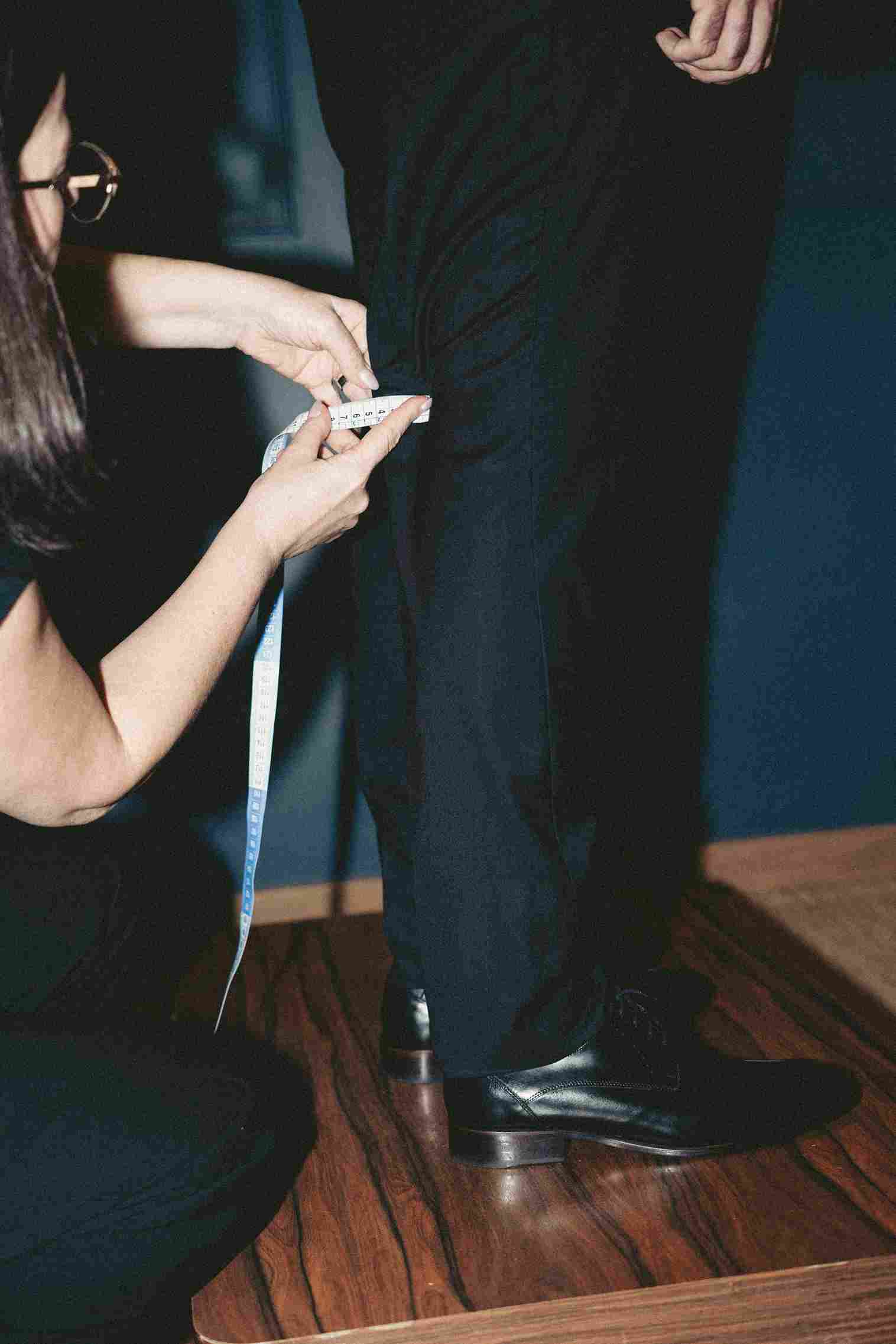
Inseam measurement is the most objective dimension in garment manufacturing. It is the distance from the crotch seam to the bottom hem of the pant leg. Unlike the "outseam," which includes the waist-to-crotch measurement, the inseam provides an accurate reflection of the leg length. This is vital for consumers purchasing denim or tailored trousers, as even a one-inch deviation can determine whether a hem breaks perfectly on a shoe or drags on the floor.

Technical Implications and Consumer Best Practices
The rise of "fit technology" companies, such as True Fit and Fit Analytics, suggests that the industry is aware of the limitations of static size charts. These platforms use machine learning to aggregate purchase data and return history, helping brands provide more accurate size recommendations. Despite this, the burden of verification often remains with the consumer.
To ensure accuracy, industry experts recommend the following protocol:
- The Baseline Method: Select a piece of clothing you already own that fits perfectly. Measure it flat on a table rather than on your body. This eliminates the variables caused by human error or posture.
- Unit Standardization: Always confirm if the size chart uses centimeters (cm) or inches (in). A simple conversion error—mistaking 30 cm for 30 inches—can result in an unusable garment.
- Allowance for Fabric Composition: Consider the material. Cotton and linen have little to no "give," whereas garments containing elastane or spandex may offer more flexibility, potentially allowing for a tighter fit.
Broader Economic and Environmental Impact
The implications of poor size interpretation extend beyond personal frustration. According to environmental research, the logistics of processing returns—shipping items back to warehouses, re-inspecting, and restocking—contributes significantly to the carbon footprint of the retail sector. Many returned garments, particularly those that are low-cost or damaged during transit, are not resold but instead sent to liquidation centers or, in worst-case scenarios, landfills.
Retailers are increasingly incentivized to improve their size charts to reduce these environmental and financial losses. By providing more granular "length" data, brands can decrease return rates, improve customer loyalty, and contribute to a more sustainable supply chain.

Conclusion: A Strategic Approach to Online Shopping
As digital retail continues to dominate the consumer landscape, the ability to read a size chart is as important as checking the price tag. By understanding the distinctions between body length, dress length, sleeve length, and inseam, consumers can make informed decisions that align with their specific body dimensions. Moving forward, the expectation for brands to provide "fit-first" data will only increase, potentially forcing a move toward universal sizing standards that prioritize clarity, consistency, and a reduction in the massive economic waste currently associated with online apparel returns. Consumers who take the time to measure their own clothing and compare these against the brand’s specific charts are the most effective agents in ensuring a successful, sustainable, and satisfying shopping experience.