Jakarta, Indonesia – Her Majesty Queen Máxima of the Netherlands has successfully concluded a significant working visit to Indonesia, spanning from Monday, November 24, to Thursday, November 27, 2025. Her presence in the archipelago was not in her capacity as Queen of the Netherlands, but rather as the United Nations Secretary-General’s Special Advocate (UNSGSA) for Inclusive Finance for Development. This pivotal role underscores her global commitment to promoting financial health and well-being, particularly in developing nations. Throughout her four-day engagement, Queen Máxima embarked on a series of strategic meetings and activities meticulously designed to advance financial inclusion and enhance the financial health of Indonesian communities. Her mission, focused on fostering financial resilience and prosperity, encompassed visits to diverse regions, including Sragen Regency and Solo City in Central Java, the sprawling capital of Jakarta, and Bekasi Regency in West Java. This marked Queen Máxima’s fifth visit to Indonesia, a testament to the nation’s strategic importance in the global financial inclusion agenda. Her previous engagements as UNSGSA occurred in 2012, 2016, and 2018, while her state visit alongside King Willem-Alexander took place in 2020. The recent visit served to reinforce ongoing collaborations and explore innovative solutions to accelerate financial access and literacy across the diverse Indonesian landscape.
A Global Advocate for Financial Health and Development
As the United Nations Secretary-General’s Special Advocate for Inclusive Finance for Development, Queen Máxima plays a critical role in galvanizing global efforts to ensure that everyone, particularly the poor and vulnerable, has access to affordable, useful, and safe financial products and services. Appointed to this esteemed position in 2009, her mandate involves raising awareness, advocating for policy changes, and collaborating with governments, private sector entities, and development organizations worldwide. The UNSGSA office emphasizes that financial inclusion is not merely about having a bank account, but about access to a suite of financial services—including credit, savings, insurance, and payments—that enable individuals and small businesses to manage their finances, invest in their futures, and mitigate risks. These services are crucial for poverty reduction, economic growth, and achieving the Sustainable Development Goals (SDGs), particularly those related to poverty, gender equality, and decent work. Queen Máxima’s advocacy often highlights the transformative power of digital finance in reaching underserved populations, promoting financial literacy, and fostering financial resilience in the face of economic shocks. Her visits consistently aim to bridge the gap between global policy discussions and grassroots implementation, observing firsthand the impact of financial inclusion initiatives and identifying areas for further innovation and investment.
Indonesia: A Strategic Partner in Financial Inclusion
Indonesia, with its vast archipelago, diverse population of over 280 million people, and rapidly growing digital economy, presents both significant opportunities and complex challenges for financial inclusion. The nation has made remarkable strides in increasing financial access over the past decade. According to the Financial Services Authority (OJK), the financial inclusion index in Indonesia reached 85.10% in 2022, a substantial increase from 76.19% in 2019. This progress has been driven by government initiatives, the expansion of digital banking, and the proliferation of fintech innovations. However, disparities persist, particularly in rural areas, among women, and micro, small, and medium-sized enterprises (MSMEs). Many still lack comprehensive financial literacy, leading to suboptimal financial decision-making. The Indonesian government, through its National Strategy for Financial Inclusion (SNKI), has committed to achieving universal financial access, recognizing its vital role in fostering equitable economic growth and reducing poverty. The country’s commitment to digital transformation, evidenced by the rapid adoption of mobile payments and e-wallets, positions it as a fertile ground for piloting and scaling innovative financial inclusion models. Queen Máxima’s repeated visits underscore Indonesia’s strategic importance as a leading example for other emerging economies navigating the complexities and opportunities of financial inclusion.
A Deep Dive into the Itinerary: A Chronicle of Engagement
Queen Máxima’s four-day visit was meticulously planned to cover a spectrum of financial inclusion aspects, from grassroots empowerment to high-level policy dialogue.
Day 1: Empowering Communities in Central Java (Tuesday, November 25, 2025)
The visit commenced in Central Java, a region known for its vibrant industrial and cultural heritage. Queen Máxima’s first stop was a garment factory in Sragen Regency. This visit was strategic, focusing on the financial well-being of factory workers, a significant demographic often overlooked in broader financial inclusion efforts. Discussions likely centered on payroll digitization, access to basic savings accounts, micro-credit for emergencies, and financial literacy programs tailored to industrial employees. The objective was to explore how employers can facilitate greater financial health among their workforce, potentially leading to increased productivity and reduced financial stress for individuals.
Following this, Queen Máxima traveled to Solo City, a hub of Javanese culture, where she visited Kampung Batik Laweyan. This historic batik village, home to numerous MSMEs and women entrepreneurs, provided a rich context for discussing financial health in the context of traditional crafts and small businesses. The Queen engaged with local artisans and business owners, delving into their experiences with financial products and services. Key topics included access to affordable credit for business expansion, digital payment solutions for sales and supply chain management, and insurance products to protect against market fluctuations or natural disasters. The emphasis was on understanding the specific financial needs and challenges faced by creative entrepreneurs and how inclusive finance could empower them to grow their businesses and secure their livelihoods.
Later that day, Queen Máxima attended a pivotal event hosted by Women’s World Banking at Pura Mangkunegaran, a historical palace in Solo. Here, she engaged in a vibrant dialogue with young people, university students, and entrepreneurs. Women’s World Banking is a global non-profit dedicated to women’s economic empowerment through financial inclusion. The session provided a platform for participants to share their personal experiences with various financial products and services, highlighting both successes and obstacles. Discussions likely revolved around the importance of financial literacy from a young age, the role of digital financial services in increasing access for women, and the need for gender-sensitive financial products that cater to women’s unique economic realities. The engagement underscored the potential of youth and women as drivers of innovation and economic growth when equipped with adequate financial tools and knowledge.
Day 2: Driving Innovation and Sustainable Development (Wednesday, November 26, 2025)
The second day shifted focus to broader developmental and innovative financial strategies, primarily in Jakarta and its surrounding areas. Queen Máxima began her day at the local United Nations office, where she participated in a roundtable discussion with various development organizations. This collaborative discourse aimed to synchronize efforts and share best practices in advancing financial inclusion across different sectors. Representatives from UN agencies, NGOs, and multilateral organizations likely discussed topics such as integrating financial inclusion into humanitarian aid, leveraging technology for greater outreach, and addressing systemic barriers to financial access for marginalized groups. The session provided an opportunity to assess the collective impact of ongoing initiatives and identify areas for enhanced coordination and strategic partnerships.
Subsequently, she visited the International Finance Corporation (IFC), a member of the World Bank Group. The discussions with IFC officials focused on the development of loans that contribute directly to economic growth and improved financial health. The IFC plays a crucial role in fostering private sector development in emerging markets by providing investment, advisory services, and asset management. The meeting likely explored how IFC’s investments in financial institutions can be channeled towards expanding access to credit for MSMEs, supporting innovative fintech solutions, and promoting sustainable finance practices that benefit both the economy and the environment. This engagement highlighted the critical role of private capital and market-driven solutions in achieving broad-based financial inclusion.
The afternoon saw Queen Máxima travel to Bekasi Regency, West Java, to visit the Gran Harmoni Cibitung subsidized housing complex. This innovative development provides low-emission homes for low- and middle-income communities, addressing both affordable housing and environmental sustainability. Her visit included a tour of a resident’s home, offering a personal insight into the lives of first-time homeowners. She interacted with representatives of the new residents, learning about their journey to homeownership and the financial mechanisms that made it possible. A highlight of this visit was the review of an innovative waste bank system, which allows residents to pay their mortgage installments using sorted waste. This pioneering model, often facilitated by institutions like Bank Tabungan Negara (BTN) as referenced in previous reports, provides a dual benefit: it promotes environmental responsibility through waste management and offers a flexible, accessible payment method for mortgagees, particularly those with irregular incomes. Queen Máxima also observed the process of signing property sale and purchase agreements for dozens of prospective homeowners, symbolizing the tangible impact of inclusive financial products on families’ lives.
Later on Wednesday afternoon, Queen Máxima visited Deloitte Indonesia in Jakarta. Here, she engaged with employers to discuss their role in contributing to the financial health of their employees and clients. This meeting underscored the growing recognition of corporate responsibility in fostering financial well-being within the workforce. Discussions likely covered topics such as financial literacy programs for employees, access to employee benefits like provident funds and health insurance, responsible lending practices, and the integration of financial health metrics into corporate sustainability initiatives. The objective was to explore how businesses can become active partners in promoting a financially resilient society, recognizing that a financially healthy workforce is a more productive and engaged workforce.
Day 3: Policy Dialogue and High-Level Engagement (Thursday, November 27, 2025)
The final day of Queen Máxima’s visit was dedicated to high-level policy discussions and strategic engagements in Jakarta, culminating in a meeting with the President of Indonesia. She began the day by participating in a critical agenda focused on financial literacy, collaborating with key Indonesian financial authorities: the Financial Services Authority (OJK), Bank Indonesia (BI), and the Ministry of Finance (Kemenkeu) of the Republic of Indonesia. This session was crucial for aligning national strategies with global best practices in financial education. OJK, as the regulator of financial services, BI, as the central bank, and Kemenkeu, responsible for fiscal policy, are central to shaping Indonesia’s financial landscape. Discussions likely involved reviewing current financial literacy programs, identifying gaps, exploring innovative delivery mechanisms (especially digital platforms), and setting future targets for enhancing public understanding and capability in managing personal finances. The synergy between these institutions and the UNSGSA’s global perspective is vital for developing robust and impactful national financial literacy frameworks.
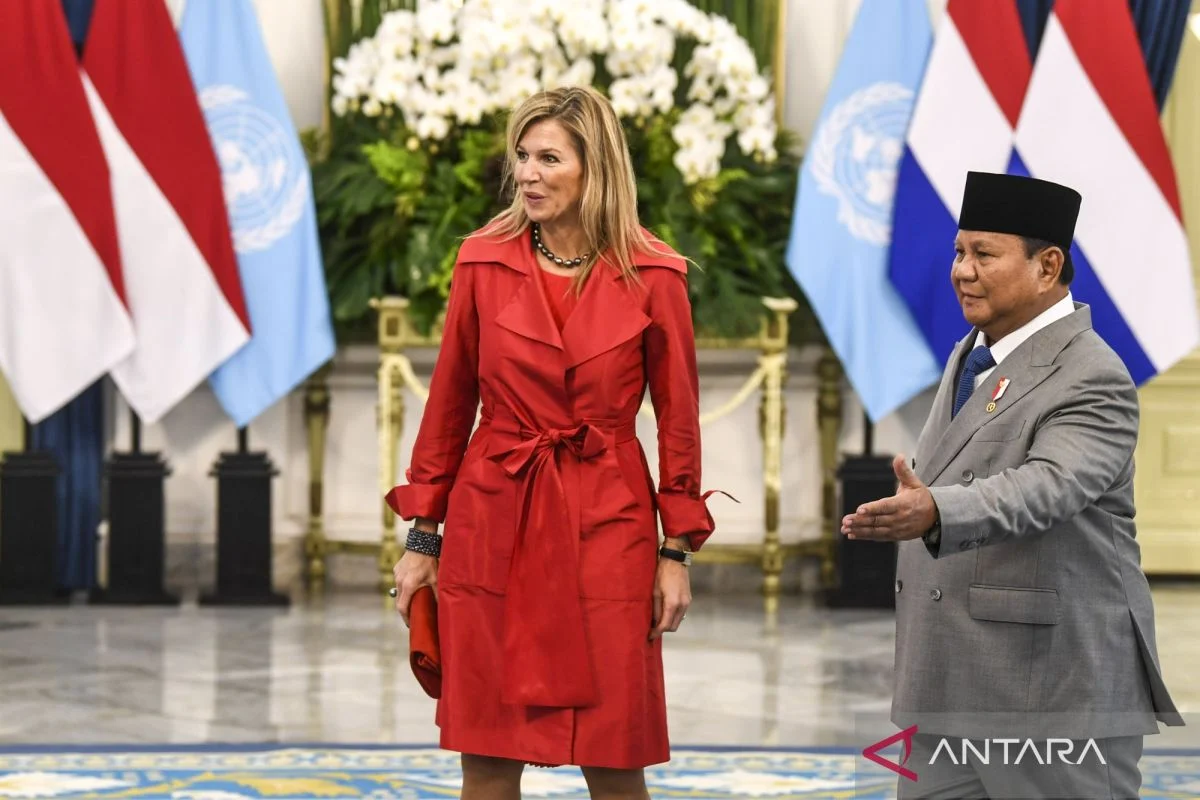
The culmination of Queen Máxima’s visit was her meeting with President Prabowo Subianto at the Istana Merdeka (Merdeka Palace) in Jakarta. This high-level engagement provided an opportunity for Queen Máxima to convey her findings, observations, and impressions from her extensive tour of Indonesia. The agenda included a private meeting followed by a luncheon, allowing for in-depth discussions on the progress and challenges of financial inclusion in Indonesia. She likely presented specific examples of innovative practices observed, such as the waste-to-mortgage system, and offered recommendations for policy enhancements based on international experience. The presidential audience served to reinforce Indonesia’s national commitment to financial inclusion, garner high-level political support for ongoing initiatives, and explore avenues for continued international cooperation in this vital area. Such meetings are instrumental in translating grassroots insights into national policy action and securing the highest level of endorsement for the financial inclusion agenda.
The Broader Landscape: Financial Inclusion in Indonesia
Indonesia’s journey towards comprehensive financial inclusion is dynamic and multifaceted. While the nation boasts a high percentage of adults with bank accounts, the depth of engagement with financial services remains a challenge. Many accounts are used primarily for transactions, with lower uptake of savings, credit, and insurance products. The rise of digital financial services (DFS), including mobile banking, e-wallets, and peer-to-peer lending platforms, has been a game-changer, particularly in reaching remote areas and younger demographics. Fintech innovations have lowered transaction costs and expanded access to credit for MSMEs previously excluded from traditional banking. However, challenges persist, including digital literacy gaps, cybersecurity concerns, and the need for robust consumer protection frameworks. The government and regulators are actively working to balance innovation with stability, ensuring that the rapid growth of fintech benefits all segments of society safely and effectively. The emphasis on inclusive finance is not just about numbers, but about ensuring equitable access and empowering individuals to make informed financial decisions that improve their quality of life.
Statements and Reactions
While official statements from all parties were not immediately available, the nature of Queen Máxima’s visit and her role allows for logical inferences regarding potential reactions. President Prabowo Subianto would likely have reiterated Indonesia’s steadfast commitment to financial inclusion as a cornerstone of national development, expressing gratitude for Queen Máxima’s continued advocacy and support. Officials from OJK, BI, and Kemenkeu would have emphasized their ongoing efforts in financial literacy and regulatory frameworks, highlighting specific programs and achievements while acknowledging areas for further improvement. Local community members and entrepreneurs in Sragen and Solo would likely have expressed appreciation for the Queen’s direct engagement, valuing the opportunity to share their experiences and highlighting the tangible benefits of accessible financial services in their daily lives. The innovative waste-to-mortgage program in Bekasi would undoubtedly have garnered praise from local authorities and residents, showcasing Indonesia’s capacity for creative solutions to complex challenges. Development organizations and private sector entities, such as the IFC and Deloitte, would have affirmed their commitment to partnering with the government and international bodies to scale financial inclusion initiatives and foster sustainable economic growth.
Implications and Future Outlook
Queen Máxima’s latest visit to Indonesia carries significant implications for the nation’s financial inclusion trajectory. Firstly, it provides a powerful international endorsement of Indonesia’s efforts and progress in this field, reinforcing its position as a regional leader. Secondly, the high-level engagements, particularly with President Prabowo and key financial authorities, are expected to translate into renewed political will and potentially new policy directives aimed at accelerating financial inclusion. The discussions on financial literacy with OJK, BI, and Kemenkeu could lead to more robust, coordinated, and innovative national education programs. Thirdly, the direct observation of grassroots initiatives, such as the waste bank for mortgage payments, brings global attention to local innovations, potentially attracting further investment and replication in other regions or countries. The emphasis on digital financial services and sustainable housing also aligns with Indonesia’s broader development goals, fostering resilience and environmental consciousness. The visit serves as a catalyst for deeper collaboration between Indonesian stakeholders and international partners, leveraging global expertise and resources to overcome remaining challenges. Ultimately, Queen Máxima’s advocacy is expected to contribute to a more financially empowered and resilient Indonesian population, capable of participating fully in the nation’s economic growth and securing a more prosperous future.
Queen Máxima: A Profile in Service
Born Máxima Zorreguieta Cerruti on May 17, 1971, in Buenos Aires, Argentina, Queen Máxima brought a wealth of experience in international finance to her royal duties. Prior to her marriage to King Willem-Alexander in 2002 in Amsterdam, the Netherlands, she worked in various financial institutions, including ING Barings, Dresdner Kleinwort Benson, and Deutsche Bank. This background has uniquely equipped her for her role as UNSGSA, providing her with a deep understanding of financial markets, products, and the systemic issues that contribute to financial exclusion. Her dedication to inclusive finance is rooted in a belief that access to financial services is a fundamental human right and a powerful tool for poverty alleviation and sustainable development. Through her unwavering commitment and strategic advocacy, Queen Máxima continues to be a formidable voice on the global stage, driving tangible progress towards a world where everyone has the opportunity to achieve financial health.