CARACAS – The Bolivarian Republic of Venezuela continues to reel from the devastating impact of an unprecedented dual earthquake event, with the official death toll climbing steeply to 4,930. This grim figure, representing an increase of 101 fatalities in just 24 hours, underscores the immense scale of the disaster unfolding across the nation, as rescue efforts transition into a somber recovery operation amidst widespread destruction and ongoing seismic activity. The latest report, released by the Venezuelan government on Thursday, July 16, 2026, and updated on Saturday, July 18, 2026, paints a stark picture of a country overwhelmed by a humanitarian crisis, straining its resources and infrastructure to their limits.
Escalating Humanitarian Crisis and Strain on Resources
The comprehensive update from Venezuelan authorities detailed a catastrophic toll beyond the rising fatalities. A staggering 16,740 individuals have sustained injuries, ranging from severe trauma requiring immediate surgical intervention to less critical but still debilitating conditions. Medical facilities, particularly in the most affected regions, are reportedly operating at maximum capacity, with many overwhelmed and reliant on temporary field hospitals erected by national and international aid groups. The number of patients who have received medical treatment has reached 35,781, indicating a significant effort to address the immediate health needs, yet also highlighting the sheer volume of those impacted. This figure alone saw an increase of 909 patients since the previous day’s report, illustrating the continuous influx of casualties and the persistent demand for medical services.
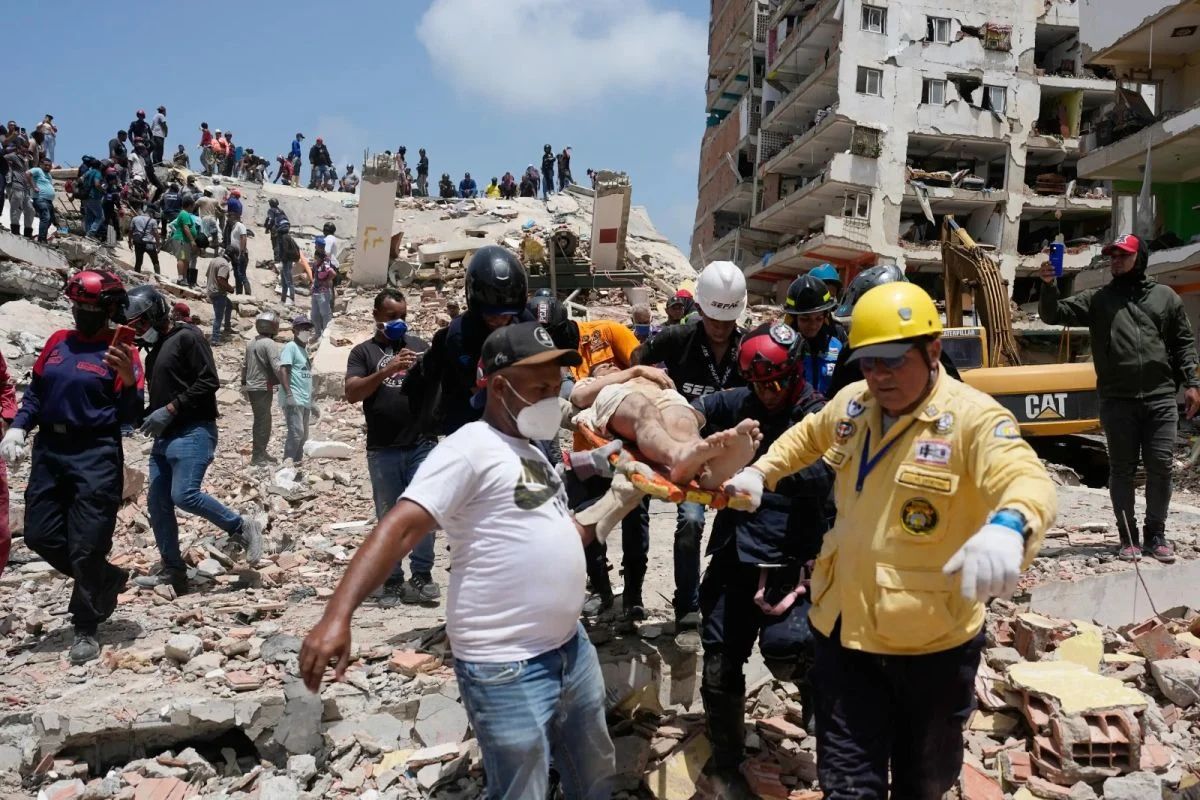
Amidst the devastation, there have been glimmers of hope: 6,462 individuals have been successfully rescued from the rubble of collapsed buildings and damaged structures, a testament to the tireless efforts of national and international search and rescue teams. These heroic operations, often conducted under perilous conditions with the threat of further collapses and aftershocks, have been crucial in minimizing the loss of life. However, with each passing day, the chances of finding more survivors diminish, shifting the focus increasingly towards humanitarian aid and long-term recovery.
The displacement caused by the earthquakes is immense. A total of 128,324 families have now received humanitarian assistance, including temporary shelter, food, water, and basic necessities. This indicates that hundreds of thousands of people have lost their homes or have been forced to evacuate due to structural damage or the risk of collapse. The provision of shelter, sanitation, and clean water remains a critical challenge, with concerns mounting over public health risks in overcrowded temporary accommodations.
The Dual Quake Event: A Chronology of Disaster
The catastrophic events began on the evening of Friday, July 3, 2026, when a powerful earthquake, initially reported as Magnitude 7.6 by the U.S. Geological Survey (USGS) and later confirmed by Venezuelan seismological institutes, struck off the northern coast of Venezuela. Its epicenter was located approximately 50 kilometers north of Caracas, at a depth of around 80 kilometers. The deep focus somewhat mitigated surface shaking in the immediate vicinity of the epicenter but allowed the seismic waves to travel widely, causing significant damage across a broad swathe of the country, particularly along the densely populated Caribbean coastline and the capital city. Initial reports indicated widespread power outages, communication disruptions, and partial collapses of older structures.
Just three days later, on Monday, July 6, 2026, as rescue operations were just beginning to scale up, a second major earthquake of Magnitude 6.8 struck the same region. While slightly less powerful, this second tremor proved equally, if not more, destructive. Its shallower depth (estimated at 35 km) and proximity to already weakened infrastructure led to widespread secondary collapses, trapping more people and severely hindering ongoing rescue efforts. Many buildings that had withstood the first quake were unable to bear the second, leading to a compounding effect on the destruction and casualty count. Seismologists have suggested that the first earthquake may have triggered stress changes in the regional fault system, precipitating the second, closely related event.
Since these two main shocks, seismic activity has remained alarmingly persistent. As of the latest report, a staggering 1,308 aftershocks have been recorded, with 24 new tremors reported in the last 24 hours alone. While most of these aftershocks are minor, some have been strong enough to cause further damage to already compromised structures and instill constant fear among the population, particularly those living in temporary shelters or near damaged buildings. This continuous seismic unrest poses a significant psychological burden on survivors and complicates rescue and assessment operations.
Scale of Destruction and Infrastructure Impact
The physical toll on Venezuela’s infrastructure is immense. Preliminary assessments indicate that tens of thousands of buildings have been severely damaged or completely destroyed. High-rise residential buildings in Caracas, particularly those constructed before modern seismic codes were rigorously enforced, have suffered significant structural failures. Historic districts, with their older, more vulnerable architecture, have also been hard hit, losing irreplaceable cultural heritage.
Critical infrastructure has not been spared. Major highways and bridges connecting Caracas to coastal regions and other vital economic hubs have sustained severe damage, with several sections rendered impassable due to landslides and structural collapses. This has significantly hampered the delivery of aid and the movement of emergency personnel. Port facilities along the Caribbean coast, essential for international trade and aid shipments, have also reported damage to docks, cranes, and storage facilities, leading to logistical bottlenecks. The nation’s already fragile power grid experienced widespread failures following both quakes, and while significant progress has been made in restoring electricity to key areas, many communities remain without power. Water supply networks have also been compromised, with ruptured pipelines and damaged pumping stations exacerbating the humanitarian crisis. Hospitals and clinics, many of which were already facing challenges due to years of underinvestment, have seen their capacity severely diminished, with some requiring complete evacuation due to structural instability.

Government Response and Challenges
In the immediate aftermath of the first earthquake, President Nicolás Maduro declared a national state of emergency across the affected regions, activating the National Civil Defense, the Bolivarian National Armed Forces (FANB), and emergency services. Thousands of personnel were rapidly deployed for search and rescue operations, rubble removal, and the establishment of temporary shelters. Field hospitals were quickly set up in parks and open spaces to triage and treat the injured, supported by medical professionals from various ministries and volunteer organizations.
However, the sheer scale of the disaster, compounded by the second major quake, quickly overwhelmed initial response capabilities. The government has openly acknowledged the immense challenges, particularly in coordinating aid distribution, ensuring security, and providing adequate resources for the massive number of displaced individuals. "This is a catastrophe of historical proportions for our nation," stated Minister of Interior and Justice, Remigio Ceballos Ichaso, during a press briefing. "Our brave rescue workers are performing miracles, but the needs are colossal. We are working tirelessly to reach every affected citizen, but the damage to our infrastructure, particularly roads, has created significant logistical hurdles."
The government has prioritized the restoration of essential services, including power and water, to critical areas and hospitals. Efforts are also underway to establish secure and sanitary temporary settlements for the displaced, recognizing the long-term nature of the housing crisis. A national registry for affected families has been initiated to streamline the distribution of aid and facilitate future reconstruction efforts.
International Aid and Solidarity
In response to Venezuela’s urgent appeal for international assistance, a wave of solidarity has emerged from the global community. The United Nations Office for the Coordination of Humanitarian Affairs (UN OCHA) swiftly deployed an assessment team to Caracas, working with local authorities to identify priority needs and coordinate the international response. UN agencies, including UNICEF, WHO, and the World Food Programme, have begun mobilizing resources, focusing on emergency health kits, water purification tablets, high-energy biscuits, and temporary shelter materials.
Several countries have pledged and delivered significant aid. Colombia, despite its own internal challenges, was among the first to send a specialized urban search and rescue (USAR) team, equipped with advanced detection technology. Brazil dispatched medical personnel and field hospital units. Cuba, a long-standing ally, provided medical brigades and construction engineers. From beyond the region, the European Union announced an emergency aid package, including financial assistance and in-kind donations of essential supplies. The United States, through USAID, has also offered humanitarian assistance, emphasizing its commitment to supporting the Venezuelan people in their time of need, irrespective of political differences.
The International Federation of Red Cross and Red Crescent Societies (IFRC) launched an emergency appeal, activating its global network to provide support. Their volunteers are on the ground, assisting with first aid, psychosocial support, and family reunification services. Non-governmental organizations (NGOs) such as Doctors Without Borders, Oxfam, and Save the Children have also established operations, focusing on medical care, water and sanitation, and child protection in the most vulnerable communities. The logistical challenge of getting aid into the country and then distributing it across damaged terrain remains a primary concern for all humanitarian partners.
Long-Term Implications and Recovery Challenges
The dual earthquakes will undoubtedly have profound and lasting implications for Venezuela. Economically, the cost of reconstruction is projected to be astronomical, potentially running into tens of billions of dollars. Key industries, particularly oil production and refining in coastal areas, as well as tourism, have been disrupted, further straining an economy already grappling with significant challenges. The destruction of infrastructure will impede economic activity for months, if not years, potentially exacerbating inflation and unemployment. The government will face the monumental task of securing international financing and managing a massive reconstruction program in an environment of limited domestic resources.
Socially, the impact is equally devastating. Hundreds of thousands of people have been displaced, leading to potential long-term housing crises and the need for new urban planning. The psychological trauma inflicted on survivors, particularly children who witnessed the destruction and loss of loved ones, will require extensive and sustained psychosocial support. There are growing concerns about public health, with damaged sanitation systems and overcrowded shelters increasing the risk of waterborne diseases and respiratory infections. Ensuring access to clean water, food, and basic healthcare will remain a priority for months to come.
From a seismic preparedness perspective, these events serve as a stark reminder of Venezuela’s vulnerability. The country lies at the complex boundary of the Caribbean and South American tectonic plates, making it prone to significant seismic activity. Seismologists like Dr. Elena Ramirez from the Venezuelan Foundation for Seismological Research (FUNVISIS) emphasize the need for stricter enforcement of building codes, particularly for critical infrastructure, and greater investment in seismic monitoring and early warning systems. "While the precise timing of earthquakes cannot be predicted, understanding our seismic environment is crucial for mitigation," Dr. Ramirez stated. "These events highlight the urgent need for a national resilience strategy that includes robust infrastructure, public education, and well-rehearsed emergency response protocols."
As Venezuela moves from the immediate emergency phase to the daunting task of recovery and reconstruction, the resilience of its people will be severely tested. The sustained international support and the ability of the government to effectively coordinate and utilize this aid will be critical in determining the nation’s path toward rebuilding from this unprecedented catastrophe. The scars of these dual earthquakes will undoubtedly shape Venezuela for generations to come, underscoring the enduring power of nature and the imperative for collective human response in the face of such immense tragedy.