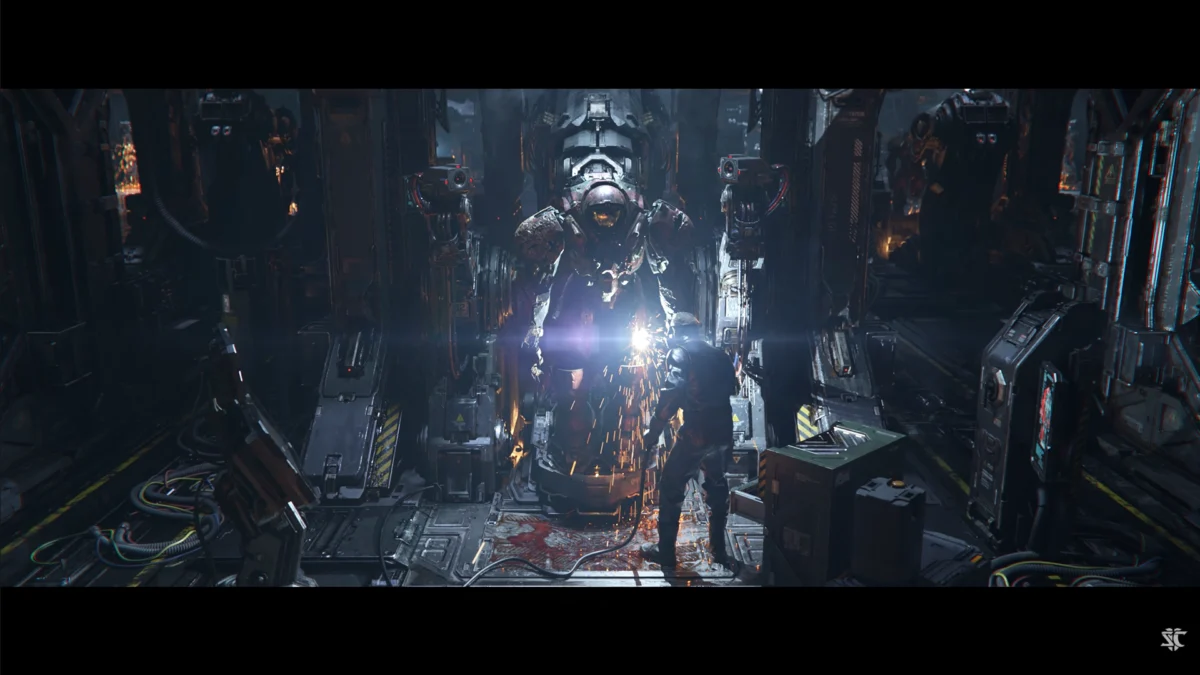
Blizzard Entertainment has officially confirmed the revival of one of the most celebrated intellectual properties in gaming history, announcing that the StarCraft franchise will return in a radically different format: an open-world shooter. Revealed during the BlizzCon 2026 keynote event, the announcement puts an end to nearly a decade of rumors, speculation, and dormancy for a series that essentially defined the Real-Time Strategy (RTS) genre. Development of this ambitious new project has been placed in the hands of Dan Hay, an industry veteran widely recognized for his leadership role on Ubisoft’s commercially successful Far Cry franchise.
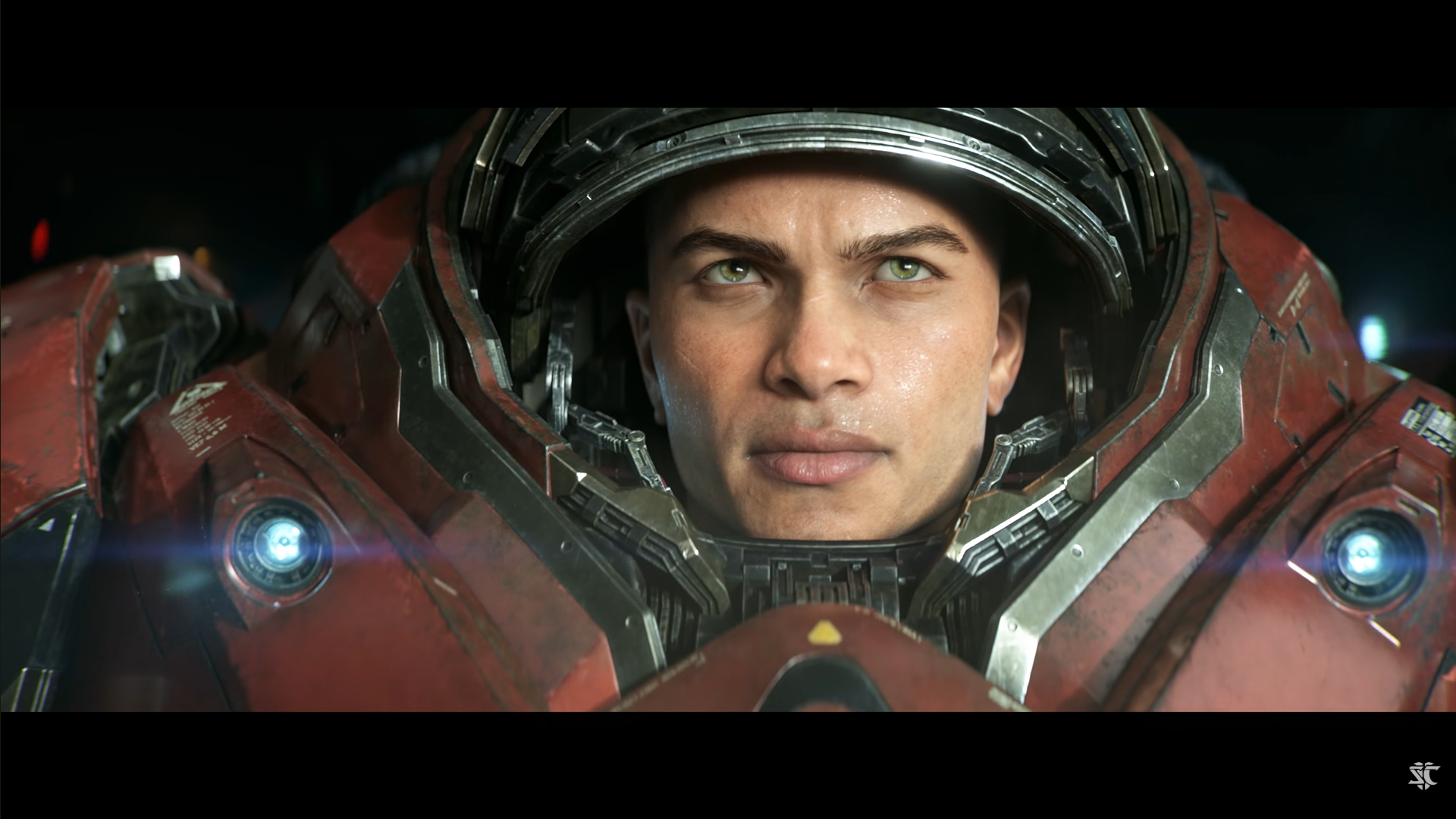
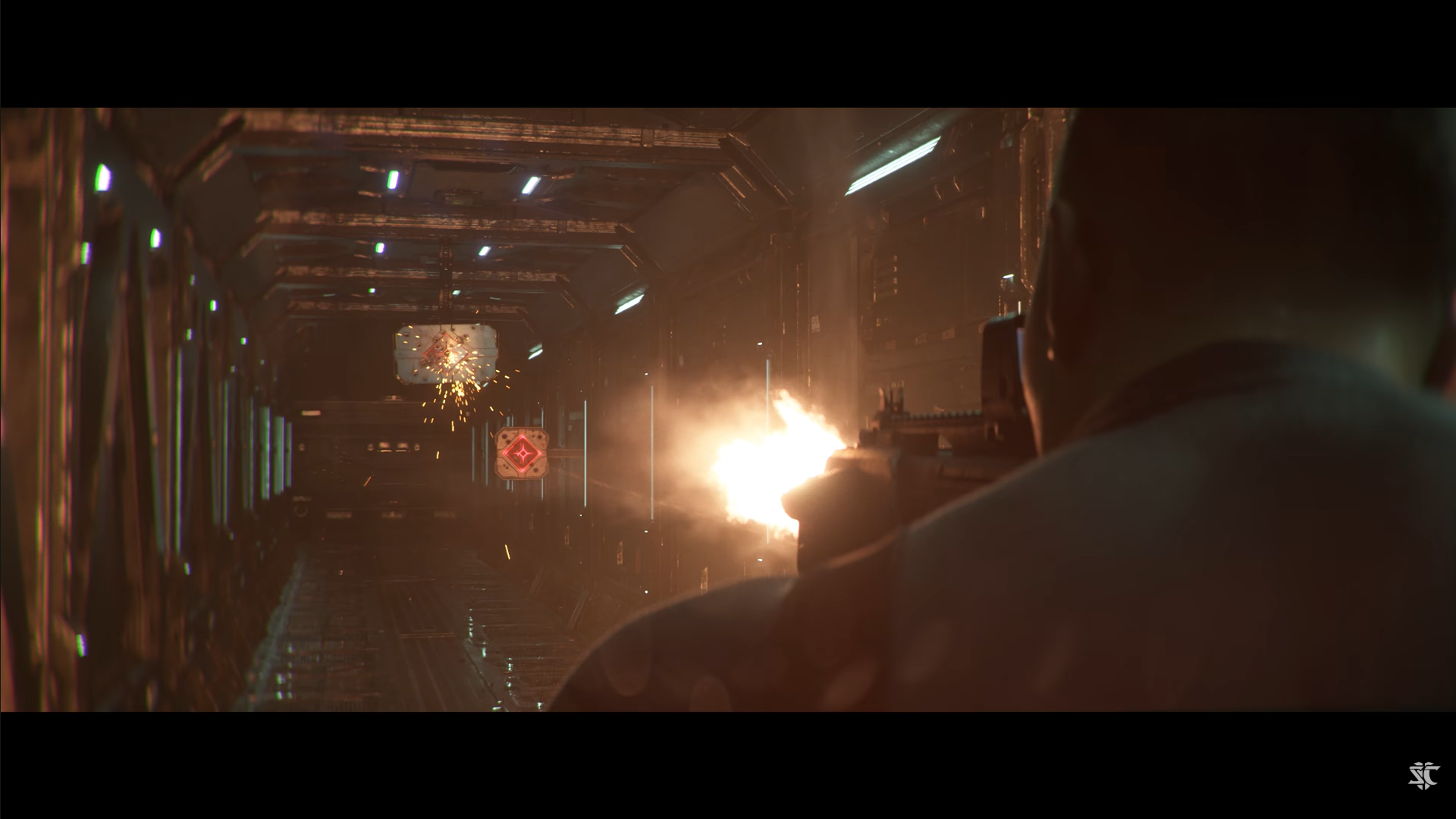
The announcement trailer, showcased during BlizzCon 2026, provided fans with their first cinematic glimpse into the universe’s new direction. However, Blizzard has slated the title for a broad release window in 2030, indicating that the game is still in the very early stages of its development lifecycle. While concrete details regarding the gameplay mechanics, overarching narrative, and protagonist remain tightly under wraps, the shift from top-down tactical micro-management to a ground-level, first- or third-person perspective marks a monumental turning point for the sci-fi epic.
A Decade-Long Hiatus and the Evolution of Blizzard’s Strategy
To understand the weight of this announcement, one must examine the historical significance of StarCraft. Released in 1998, the original game, alongside its monumental 2010 sequel StarCraft II: Wings of Liberty, served as a cornerstone for competitive PC gaming and the global esports ecosystem. For years, the franchise stood as the gold standard of RTS gaming, particularly in South Korea, where it transcended entertainment to become a cultural phenomenon.
Following the completion of StarCraft II’s trilogy structure with Legacy of the Void in 2015 and subsequent minor content updates, Blizzard gradually shifted its development resources toward other ventures, such as Overwatch, Diablo, and World of Warcraft. By the late 2010s and early 2020s, the dedicated StarCraft community faced a prolonged drought, with core RTS developers moving on to other companies or projects. Rumors concerning a new StarCraft project surfaced periodically over the years—ranging from canceled tactical shooters to rumored turn-based spin-offs—making the BlizzCon 2026 reveal the first official confirmation of life for the IP in nearly ten years.
Leadership and the Vision of Dan Hay
The appointment of Dan Hay as the project lead has become a primary focal point of industry analysis. Hay brings extensive experience in open-world game design, narrative pacing, and sandbox mechanics, having steered the Far Cry series through multiple iterations. Transitioning a universe built on massive planetary conflicts, sprawling space armadas, and faction-based base building into an open-world shooter format aligns logically with Hay’s professional background.

Speaking in an exclusive post-announcement interview with GamesRadar+ at BlizzCon 2026, Hay acknowledged both the privilege and the immense pressure of taking on such a revered legacy.
"Our team feels as though we won the cosmic lottery," Hay stated during the interview. He emphasized that the development team possesses a deep appreciation for the lore, aesthetic, and emotional connection players have cultivated with the franchise over the decades. According to Hay, the core philosophy guiding the project is to honor the foundational groundwork laid by previous developers while innovating to create a modern gaming experience that feels both fresh to newcomers and inherently familiar to veterans.
Community Reception, Skepticism, and the 2030 Horizon
Despite the initial excitement surrounding the return of StarCraft, the announcement has triggered intense debate across global gaming communities. Long-term fans of the franchise have expressed mixed reactions, primarily divided between optimism for a modernized, immersive exploration of the Koprulu Sector and disappointment over the abandonment of the traditional RTS formula. For a segment of the fan base, StarCraft is inextricably linked to high-APM (Actions Per Minute) tactical combat, base management, and competitive multiplayer ladders—elements that do not naturally translate to an open-world shooter framework.
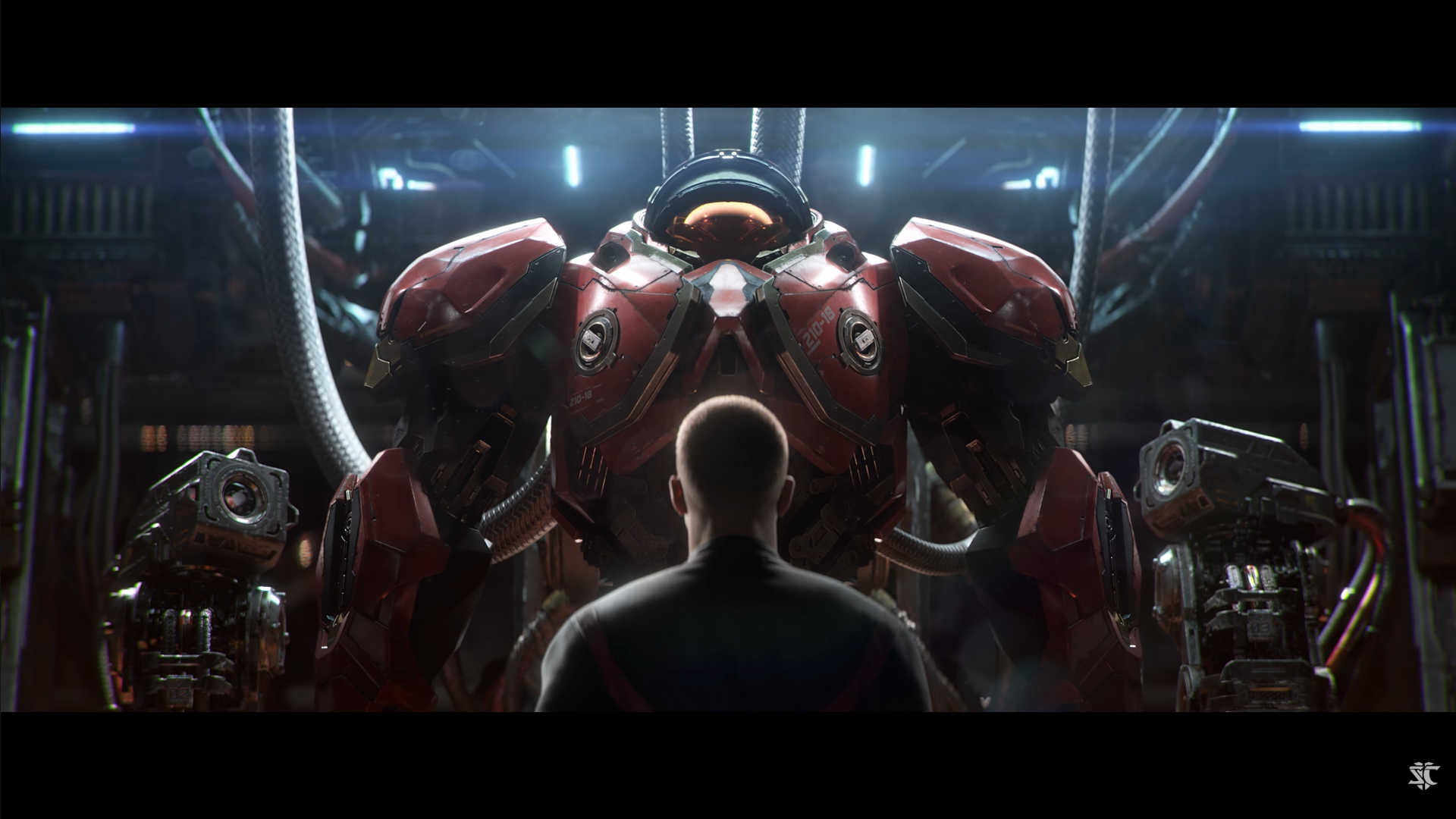
Furthermore, the decision to announce the game four years ahead of its anticipated 2030 release has raised strategic questions within the industry. By revealing the project at such an early juncture, Blizzard aims to manage community expectations transparently, signaling a long-term commitment to rebuilding trust with its core audience. However, this extended timeline also opens the door to heightened scrutiny, potential development bottlenecks, and ongoing industry anxiety regarding modern AAA publishing trends—specifically, whether the title will adopt a live-service framework, battle passes, or always-online connectivity.
The Unresolved Questions: Factions, Lore, and Gameplay Mechanics
As development moves forward, several critical questions remain unanswered. Blizzard has yet to clarify how the iconic factions of the universe—the terran, the zerg, and the protoss—will be integrated into an open-world shooter narrative. Translating the terrifying, swarming menace of the Zerg or the technologically advanced mysticism of the Protoss from a top-down tactical perspective into visceral, close-quarters combat presents a significant design challenge.
Similarly, the structural nature of the "open world" has not been detailed. Industry analysts are closely watching to see whether the game will feature a singular explorable planet, multiple star systems accessible via spacecraft, or a modular regional structure akin to modern sci-fi action role-playing games.
Broader Implications for Blizzard Entertainment
The pivot of StarCraft into an open-world shooter reflects a broader corporate strategy by Blizzard Entertainment—under the wider umbrella of Microsoft Gaming—to adapt its legacy intellectual properties for broader commercial audiences. Traditional RTS games, while historically prestigious and critically acclaimed, occupy a niche market compared to massive open-world action games and shooters, which typically secure higher long-term engagement and monetization figures.
The success or failure of this project will likely dictate the future trajectory of Blizzard’s classic franchises. If Dan Hay and his team manage to successfully bridge the gap between the lore-heavy strategy roots of StarCraft and the demands of modern open-world design, it could revitalize the IP for an entirely new generation of players. Conversely, alienating the foundational player base remains a tangible risk. As development progresses toward the 2030 launch window, the gaming world will be watching closely to see how Blizzard handles the monumental task of reinventing a legend.