Motorists across Indonesia continue to navigate a period of price stability as of Thursday, October 29, 2026, with major fuel retailers including Pertamina, Shell, BP, and Vivo maintaining their current price structures. This consistency provides a temporary sense of predictability for both individual consumers and the logistics sector, which remains sensitive to fluctuations in the cost of energy. As the global energy landscape remains complex, the decision by domestic fuel providers to hold prices steady reflects a delicate balance between international crude oil benchmarks and local inflationary pressures.
Current Price Landscape at Leading Fuel Retailers
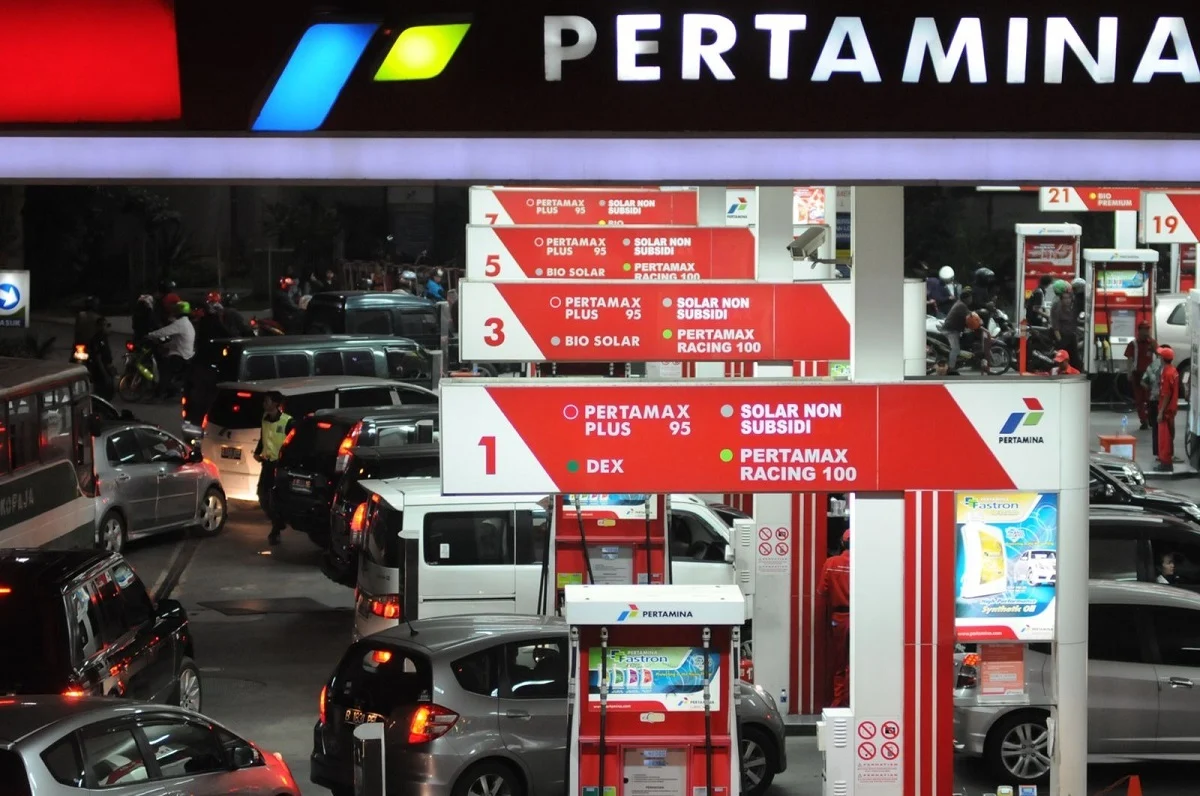
The fuel market in Indonesia is currently characterized by a lack of volatility, a welcome development for the transportation industry. At Pertamina stations, the pricing remains unchanged, providing a baseline for the national economy. Pertamax, the most widely used non-subsidized gasoline, is currently retailing at Rp15,950 per liter. For those utilizing premium products, Pertamax Green is priced at Rp19,150 per liter, while the high-performance Pertamax Turbo is available at Rp19,600 per liter.
Diesel consumers also face static pricing. Pertamina’s Dexlite is retailing at Rp23,700 per liter, and the premium Pertamina Dex is positioned at Rp25,200 per liter. Crucially for the general public, subsidized fuels remain protected. Pertalite, the primary gasoline consumed by the majority of the population, continues to be sold at Rp10,000 per liter, while the subsidized Biosolar remains fixed at Rp6,800 per liter.
Private fuel retailers have mirrored this stability. BP has set its BP 92 gasoline at Rp16,130 per liter, while its higher-octane BP Ultimate is priced at Rp19,330 per liter. For diesel users, BP Ultimate Diesel is currently retailing at Rp25,420 per liter, matching the competitive landscape set by other international players like Shell, which lists its V-Power Diesel at an identical Rp25,420 per liter.
Chronology of Fuel Policy in 2026
To understand the current state of fuel pricing, it is essential to look at the broader economic context of 2026. Throughout the first three quarters of the year, Indonesia’s energy policy has been defined by a cautious approach to subsidy management. Following adjustments made earlier in the year to align with the global "Green Energy Transition" roadmap, the government has focused on minimizing the fiscal burden of energy subsidies while ensuring that purchasing power remains intact.
In early 2026, the global energy market experienced volatility driven by geopolitical tensions in the Middle East and shifting production quotas from major oil-exporting nations. This led to a series of incremental adjustments in non-subsidized fuel prices in the first and second quarters. However, as the third quarter concluded, a stabilization in Brent crude prices—hovering between $75 and $82 per barrel—provided the breathing room necessary for state-owned Pertamina to pause further price hikes. The decision to maintain these prices into late October reflects an effort to stabilize the national inflation rate, which has been a primary concern for the Bank of Indonesia throughout the fiscal year.
Economic Implications of Price Stability
The stability of fuel prices has significant implications for the Indonesian economy. Fuel represents one of the largest components of the Consumer Price Index (CPI). When fuel prices remain constant, it allows businesses to plan logistics costs with greater accuracy. For the logistics and supply chain sectors, which are the backbone of the Indonesian archipelago, consistent diesel prices are critical to maintaining the affordability of consumer goods.
Economists have noted that the current pricing environment is conducive to maintaining household consumption, which accounts for more than half of Indonesia’s GDP. If prices were to rise significantly, it could lead to a contraction in discretionary spending, particularly among the middle-class segment that relies on non-subsidized fuels like Pertamax.

Furthermore, the government’s continued commitment to keeping Pertalite at Rp10,000 per liter acts as a vital social safety net. By absorbing the difference between the actual market price and the subsidized price, the state budget acts as a buffer against external economic shocks. While this policy places a strain on the state budget, it is viewed as a necessary tool for maintaining social stability and preventing cost-push inflation in essential sectors like food and transportation.
Analysis of the Competitive Fuel Market
The presence of international retailers such as Shell and BP in the Indonesian market has introduced a competitive dynamic that benefits the consumer. These companies often adjust their prices based on a mix of global oil prices, operational costs, and the need to remain competitive against Pertamina’s expansive network.
The fact that these companies have aligned their pricing strategies—maintaining stability alongside the national oil company—suggests a market consensus regarding the current supply chain conditions. While global refining margins have fluctuated, the availability of refined petroleum products has remained consistent throughout the Indonesian supply chain, preventing the supply-side shocks that occurred in previous years.
Official Perspectives and Future Outlook
While there have been no formal announcements regarding imminent price changes, energy analysts emphasize that the fuel market is inherently reactive. The government and Pertamina continue to monitor the "Mean of Platts Singapore" (MOPS) index, which serves as a benchmark for fuel pricing in the region.
In recent briefings, representatives from the Ministry of Energy and Mineral Resources have highlighted that the energy subsidy budget is being managed with "extreme vigilance." The government’s strategy for the remainder of 2026 appears to be one of "wait and see." If global crude prices remain within the current moderate band, it is highly probable that consumers will see little to no change in their daily fuel expenses for the remainder of the year.
However, stakeholders are advised to keep an eye on upcoming international energy summits. Any significant shift in OPEC+ production policies or a sudden escalation in regional conflicts could necessitate a review of the current domestic pricing structure. For now, the current status quo provides the stability required for businesses and households to navigate the end of the year with a degree of fiscal certainty.
Conclusion: A Period of Resilience
The consistency in fuel pricing as of October 29, 2026, is a testament to the effectiveness of the current energy policy framework. By shielding the public from the volatility of international oil markets, the Indonesian government has prioritized economic continuity. As the year draws to a close, the focus for both Pertamina and private retailers will remain on ensuring the reliable distribution of fuel across the archipelago, from the urban centers of Jakarta to the remote regions of eastern Indonesia.
For the average motorist, the message is clear: the current prices are expected to hold, providing a stable foundation for the upcoming holiday season. While market dynamics are subject to change, the current landscape offers a rare moment of predictability in a global economy that is often defined by its uncertainty. Motorists are encouraged to continue monitoring official channels for any updates, but for the immediate future, the prices at the pump remain fixed.