The global shift toward sustainable transportation has reached a pivotal juncture, with electric motorcycles emerging as the primary vehicle of choice for urban commuters looking to reduce their carbon footprint and lower long-term operational costs. As Indonesia and other emerging markets witness a surge in electric two-wheeler adoption, potential buyers are faced with an array of technical considerations that differ significantly from traditional internal combustion engine (ICE) vehicles. For the novice buyer, the transition requires a methodical approach to evaluating specifications, infrastructure compatibility, and long-term maintenance requirements to ensure a seamless integration into daily routines.
The Evolution of the Electric Two-Wheeler Market
The surge in electric motorcycle ownership is not merely a trend but a reflection of a broader global policy shift. Governments worldwide, including Indonesia, have implemented various subsidies, tax incentives, and infrastructure development projects to accelerate the adoption of electric vehicles (EVs). According to industry reports from the International Energy Agency (IEA), the global electric two- and three-wheeler market has seen exponential growth over the last five years, driven largely by advancements in lithium-ion battery density and a significant reduction in production costs.
For the Indonesian market, this growth is supported by government regulations aimed at achieving net-zero emissions by 2060. The introduction of the Financial Assistance Program for electric motorcycle purchases serves as a catalyst, making these vehicles more accessible to the general public. However, the abundance of choices—ranging from local startups to established global manufacturers—has created a paradox of choice for consumers who may be unfamiliar with the nuances of electric powertrains.
1. Strategic Evaluation of Operational Range
The most critical factor for any prospective EV owner is the correlation between the vehicle’s range and the user’s daily commute. Unlike gasoline-powered motorcycles, where refueling is a matter of minutes at any neighborhood station, electric motorcycles rely on battery capacity, which dictates the total distance covered per charge.
Prospective buyers must calculate their "Real-World Range." While manufacturers often advertise a maximum range based on laboratory conditions—typically involving constant speeds and ideal weather—the actual performance in urban traffic is often lower. Factors such as stop-and-go congestion, rider weight, tire pressure, and incline levels can reduce range by 15% to 30%. Industry experts recommend that buyers identify their average daily mileage and add a 30% buffer. This buffer ensures that even on days with heavy traffic or unexpected detours, the vehicle remains functional without the anxiety of a depleted battery.
2. The Battery Ecosystem: Types, Longevity, and Maintenance
The battery is the heart of an electric motorcycle, often accounting for nearly 40% to 50% of the vehicle’s total manufacturing cost. Understanding the chemistry and the management system of the battery is essential for protecting one’s investment.
Currently, the industry is transitioning toward Lithium Iron Phosphate (LFP) and Nickel Manganese Cobalt (NMC) chemistries. LFP batteries are increasingly favored for their thermal stability and longer life cycles, often exceeding 2,000 charge cycles. Conversely, NMC batteries offer higher energy density, providing more power in a lighter package.
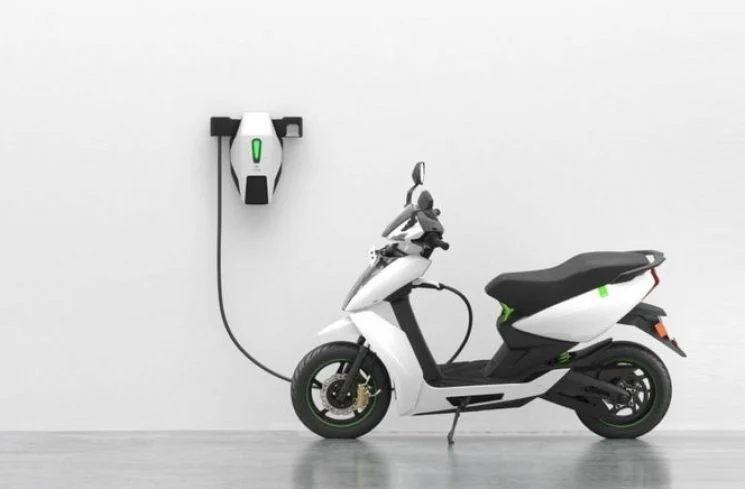
For the urban dweller, the "swappable battery" system is a significant convenience factor. Brands that utilize standardized, removable battery packs allow owners to charge at home using a standard 220V wall outlet or exchange empty batteries for fully charged ones at designated kiosks. This removes the "range anxiety" that often plagues apartment dwellers who may not have dedicated charging facilities in their parking structures.
3. Infrastructure and Charging Logistics
Before finalizing a purchase, a buyer must conduct a "charging audit." If the residence or workplace does not have a dedicated, grounded power outlet, the user experience will be severely hindered. The shift to electric mobility requires an assessment of electrical load capacity in one’s home. While most home chargers are designed for standard outlets, installing a dedicated wall-box charger is recommended for faster and safer charging.
Government and private sector partnerships have begun to address the "charging desert" issue by installing public charging stations at shopping malls, government offices, and transit hubs. However, relying solely on public infrastructure is currently inefficient. A prospective buyer should prioritize vehicles that offer flexible charging solutions, including both home-charging cables and the ability to utilize widespread battery-swap networks.
4. Decoding Performance: The Test Ride Experience
The mechanical behavior of an electric motorcycle is fundamentally different from a conventional ICE vehicle. Electric motors provide maximum torque instantly, meaning that the acceleration response is immediate and often sharper than that of a 125cc or 150cc scooter.
During a test ride, buyers should focus on three key areas:
- Throttle Sensitivity: Electric bikes often have different "ride modes" (Eco, Normal, Sport). Testing each mode is vital to understanding how the motor reacts to subtle throttle inputs.
- Braking Dynamics: Most electric motorcycles are equipped with regenerative braking, which uses the motor to slow the bike down and recoup energy for the battery. This creates a "drag" effect when the throttle is released, which may feel unnatural to riders accustomed to the coasting behavior of traditional bikes. Mastering this sensation is key to a comfortable ride.
- Weight Distribution: Because the heavy battery pack is often positioned at the center or bottom of the chassis, the center of gravity is lower than that of an ICE bike. This generally leads to better handling and stability, which should be assessed during cornering.
5. Prioritizing Safety and Digital Integration
Modern electric motorcycles are increasingly defined by their software as much as their hardware. When selecting a model, safety features should be non-negotiable. An optimal electric motorcycle should be equipped with a robust Electronic Braking System (EBS) or Combined Braking System (CBS) to manage the immediate torque delivery.
Furthermore, the integration of IoT (Internet of Things) features has become a standard in the industry. Features such as real-time battery diagnostics, remote motor locking, and GPS-based anti-theft tracking are essential. These digital tools not only provide convenience but also act as a security layer for an asset that is highly attractive to thieves due to its technological value. Buyers should also verify the availability of an official mobile application that tracks the vehicle’s health and provides alerts for maintenance intervals.
The Broader Implications of the EV Transition
The transition to electric motorcycles is a complex undertaking that extends beyond individual consumer choice. It represents a fundamental shift in the automotive supply chain. Analysts from the automotive sector suggest that as the adoption of electric motorcycles scales, the aftermarket industry will also undergo a transformation. Traditional mechanical repair shops will need to upskill their workforce to handle high-voltage electrical systems, software updates, and battery management diagnostics.
From a policy perspective, the emphasis is now on "Local Content Requirements" (TKDN). In Indonesia, for instance, the government requires a certain percentage of domestic components in EVs to qualify for subsidies. This encourages the development of local battery manufacturing and assembly plants, which in turn creates a more sustainable ecosystem for parts and repairs.
For the consumer, this means that buying a vehicle from a brand that has a strong local presence—including a network of service centers and a reliable supply chain for spare parts—is just as important as the vehicle’s aesthetic or performance specs. A vehicle with high performance but no local support network is a liability.
Conclusion: A Checklist for the Future
As the market matures, the disparity between high-quality, reliable electric motorcycles and "white-label" imports will become more apparent. Prospective buyers should view their purchase as a long-term commitment. By prioritizing high-cycle-life batteries, ensuring access to reliable charging infrastructure, conducting thorough test rides, and verifying the existence of a robust after-sales service network, consumers can navigate the transition to electric mobility with confidence.
The era of the electric motorcycle is not just about changing how we refuel; it is about changing how we interact with our urban environment. By making an informed decision today, the first-time buyer not only secures a reliable mode of transportation but also participates in the global effort to create quieter, cleaner, and more efficient cities for the future. The technology is rapidly evolving, and while the initial learning curve may seem steep, the long-term benefits—both financial and environmental—position the electric motorcycle as the definitive transport solution for the modern era.