
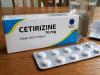
Health authorities in Kenya have issued an urgent nationwide alert following a dangerous viral trend on social media involving the misuse of common allergy medications. The alarming practice, which has gained traction across various digital platforms, involves women inserting cetirizine tablets directly into the vagina under the false belief that it creates a drying effect and tightens the reproductive organ. This off-label and unapproved method has triggered severe concern among medical professionals and drug regulators, who warn that altering the delicate chemical balance of the vaginal microbiome can lead to severe health complications.
The trend highlights a broader, ongoing public health challenge regarding the spread of unverified medical advice on social media. In an era where digital content can bypass traditional vetting processes, dangerous health hacks often spread faster than medical authorities can debunk them. The phenomenon in Kenya underscores how misinformation can directly endanger women’s health, prompting regulatory bodies to intervene aggressively to halt the dangerous practice before it results in widespread physiological harm.
Chronology of the Regulatory Intervention and Social Media Spread
The emergence of this trend can be traced back to online lifestyle and beauty forums where anonymous users shared unverified personal anecdotes claiming that administering antihistamines vaginally improved sexual experiences through constriction. Over several weeks, these claims circulated widely across platforms like TikTok, X (formerly Twitter), and WhatsApp, morphing from isolated recommendations into a widespread viral challenge.
Recognizing the escalating threat to public safety, the Pharmacy and Poisons Board (PPB), the principal drug regulatory authority in Kenya, stepped in with a formal intervention. On November 4, 2026, the PPB officially released a stern public warning cautioning citizens against the dangerous practice. The regulatory body emphasized that cetirizine is strictly formulated for oral ingestion to manage allergic rhinitis and urticaria, and stressed that its chemical composition is entirely incompatible with the delicate mucosal tissues of the female reproductive system. Following the PPB’s announcement, local healthcare providers and gynecological societies amplified the warning, initiating educational campaigns to counter the viral misinformation.

Understanding Cetirizine: Pharmacology and Intended Medical Use
To fully grasp the dangers of this viral trend, it is essential to examine the pharmacological profile of cetirizine. Cetirizine is a second-generation antihistamine widely prescribed and purchased over-the-counter to alleviate symptoms associated with allergies. By selectively inhibiting peripheral H1 receptors, the medication successfully blocks the action of histamine—a substance produced by the body during an allergic reaction—thereby reducing sneezing, runny nose, itchy or watery eyes, and skin hives.
The drug is meticulously engineered for oral bioavailability. When ingested as a tablet or syrup, it is absorbed through the gastrointestinal tract, enters the bloodstream, and systematically targets histamine receptors throughout the body. The physiological design of cetirizine assumes a specific pH level, metabolic pathway, and systemic absorption rate that bears no resemblance to the local environment of the vaginal canal. Consequently, applying the tablet topically or intravaginally defies its pharmaceutical design, yielding zero therapeutic benefit for tightening while introducing foreign excipients directly into a sensitive ecosystem.
Physiological Dangers and Risks to Vaginal Health
Medical professionals have universally condemned the intravaginal insertion of cetirizine, warning that the practice poses severe risks to women’s reproductive health. The human vagina is a self-cleaning organ maintained by a delicate balance of acidic pH levels and a robust microbiome predominantly composed of beneficial Lactobacillus bacteria. This natural ecosystem protects the body against pathogenic infections, bacterial vaginosis, and sexually transmitted infections.
Introducing a solid, oral medication tablet directly into the vaginal canal disrupts this delicate equilibrium in multiple ways. First, the inactive ingredients, binders, and fillers present in pharmaceutical tablets—such as lactose, starch, and magnesium stearate—are not sterile and are not formulated for mucosal absorption. When trapped inside the vagina, these chemical binders can cause severe local irritation, chemical burns, and allergic contact dermatitis.

Furthermore, while proponents of the trend seek a drying effect, drastically altering the natural moisture and lubrication of the vagina can lead to micro-abrasions during sexual intercourse. These microscopic tears significantly increase the risk of contracting sexually transmitted infections, including HIV. Gynecologists also warn that disrupting the vaginal flora can lead to severe secondary infections, such as bacterial vaginosis, yeast infections, and pelvic inflammatory disease, which, if left untreated, can result in long-term reproductive complications.
Broader Implications of Online Health Misinformation
The cetirizine misuse trend is a symptom of a larger, systemic vulnerability in the modern information ecosystem. Social media algorithms often prioritize engagement over factual accuracy, allowing sensationalized, quick-fix health advice to reach millions of vulnerable users without scientific scrutiny. Women, in particular, are frequently targeted by aesthetic and wellness myths that prey on insecurities regarding body image and sexual wellness.
Public health analysts point out that the phenomenon highlights critical gaps in health literacy. When individuals lack access to comprehensive reproductive health education, they become increasingly susceptible to dangerous folk remedies popularized online. The reliance on peer recommendations over professional medical consultation creates a dangerous echo chamber where myths are validated through repetition rather than empirical evidence.
Official Responses and Preventive Measures by Health Authorities
In response to the crisis, the Pharmacy and Poisons Board of Kenya, alongside international health organizations, has outlined aggressive strategies to curb the spread of misinformation and protect public health. Regulatory bodies are working closely with social media platforms to flag and remove harmful content promoting the off-label use of pharmaceuticals. Additionally, health agencies are demanding greater digital accountability from content creators who disseminate medical advice without professional credentials.
Concurrently, medical associations are launching grassroots educational initiatives. Gynecologists and primary care physicians are being encouraged to proactively discuss reproductive health myths with their patients during routine consultations, creating an open, non-judgmental environment where women can seek reliable guidance. Pharmacies and retail drug outlets have also been advised to provide counseling when dispensing antihistamines, ensuring that consumers are fully aware of the intended oral application of the drug.
Conclusion and Future Outlook
The alarming trend of utilizing cetirizine as a vaginal tightening agent serves as a stark reminder of the potential hazards blending unchecked social media trends with pharmaceuticals. While regulatory interventions by authorities like Kenya’s Pharmacy and Poisons Board are vital for immediate damage control, long-term solutions require a multifaceted approach. Enhancing public health literacy, regulating digital health misinformation, and fostering open dialogues between patients and medical professionals remain essential steps in preventing similar dangerous practices in the future. Women are continually urged to consult qualified healthcare providers regarding any concerns related to reproductive health, ensuring that safety and scientific validity always precede viral digital trends.