Nestled against the cool, misty backdrop of West Java’s mountainous landscape, Hotel Salak The Heritage stands as a living testament to Indonesia’s complex colonial history. Located at Jalan Ir. H. Juanda Nomor 8 in Bogor, this four-star establishment is far more than a conventional accommodation. It is a historical bridge connecting the modern tourism industry of 21st-century Indonesia with the administrative era of the Dutch East Indies. Boasting a prime geographical location surrounded by lush greenery and iconic national landmarks, the hotel offers guests a unique blend of heritage architecture, modern luxury, and deep historical resonance that has endured for more than a century and a half.
A Strategic Location and Natural Backdrop
The appeal of Hotel Salak The Heritage extends well beyond its historical narrative; its geographical positioning makes it one of the most sought-after properties for travelers visiting Bogor. Situated in the city center yet enveloped by the serene ambiance of the surrounding highlands, the hotel acts as a peaceful sanctuary away from the dense congestion of Indonesia’s major metropolitan areas.
Furthermore, the property’s proximity to some of Bogor’s most treasured cultural, historical, and ecological landmarks enhances its value as a premier tourist destination. Guests stepping out of the hotel find themselves within effortless walking distance of major attractions. The world-renowned Bogor Botanical Gardens (Kebun Raya Bogor), spanning over 80 hectares of diverse flora, lies just 710 meters away. Adjacent to the gardens is the historic Bogor Palace (Istana Bogor), one of the six presidential palaces of Indonesia, located a mere 550 meters from the hotel. For wildlife and nature enthusiasts, the Museum Zoologi is situated 630 meters away, while the expansive expanse of the Mount Halimun Salak National Park (Taman Nasional Halimun Salak) is accessible within 520 meters, providing visitors with immediate access to pristine mountain ecosystems and biodiversity.
Chronology and Historical Evolution
The origins of Hotel Salak The Heritage trace back to 1856, during the height of the Dutch colonial administration in the archipelago. Originally established under the name Bellevue-Dibbets Hotel, the property was owned by the family of Governor-General Charles Ferdinand Pahud, who governed the Dutch East Indies from 1856 to 1861. In its nascent years, the estate was deliberately designed to serve as a high-end accommodation facility for VOC (Vereenigde Oostindische Compagnie) officials, colonial administrators, and elite European travelers visiting the Buitenzorg (modern-day Bogor) palace retreat of the Governor-General.
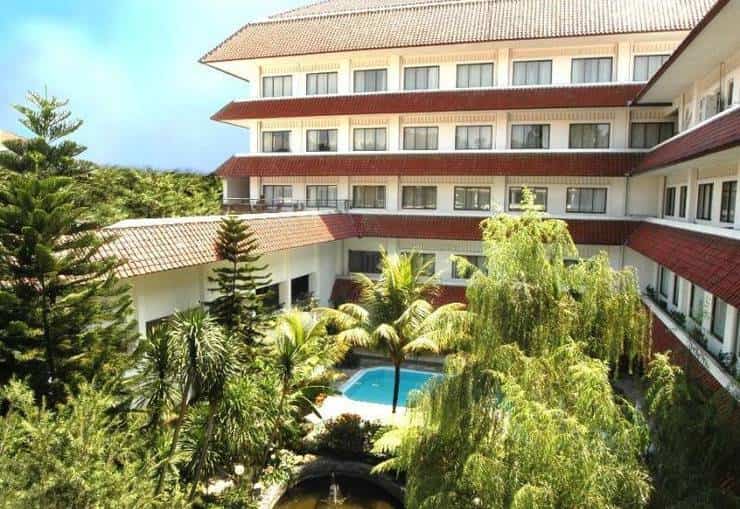
The architectural blueprint of the hotel heavily reflects the neoclassical and tropical Indies architectural styles favored by the Dutch during the 19th century. High ceilings, wide corridors, large arched windows, and symmetrical facades were engineered to maximize airflow and combat the tropical heat, features that remain remarkably well-preserved to this day.
The trajectory of the property shifted dramatically during the turbulence of World War II. Following the expansion of the Japanese Empire into Southeast Asia and the subsequent invasion of the Dutch East Indies in 1942, the colonial hotel was requisitioned by the Imperial Japanese military forces. Throughout the occupation period, the historic building functioned as a strategic military headquarters, temporarily stripping away its hospitality identity to serve the operational needs of the wartime regime.
Following the collapse of the Japanese occupation and the subsequent declaration of Indonesian independence in 1945, the property underwent a profound national transition. The hotel was nationalized and eventually passed into local ownership, shedding its colonial moniker to become known simply as Hotel Salak. Over the subsequent decades, the property underwent various phases of modernization and expansion to meet the rigorous demands of contemporary hospitality, culminating in its current iteration as Hotel Salak The Heritage—a modern four-star establishment that meticulously balances historical preservation with contemporary luxury.
Architectural and Facility Infrastructure
Today, Hotel Salak The Heritage seamlessly marries 19th-century European aesthetics with 21st-century hospitality standards. The sprawling property encompasses 140 meticulously designed rooms and suites, alongside 16 state-of-the-art meeting and conference rooms. The accommodations are structured to cater to both leisure travelers seeking a nostalgic retreat and corporate clients requiring professional event infrastructure.
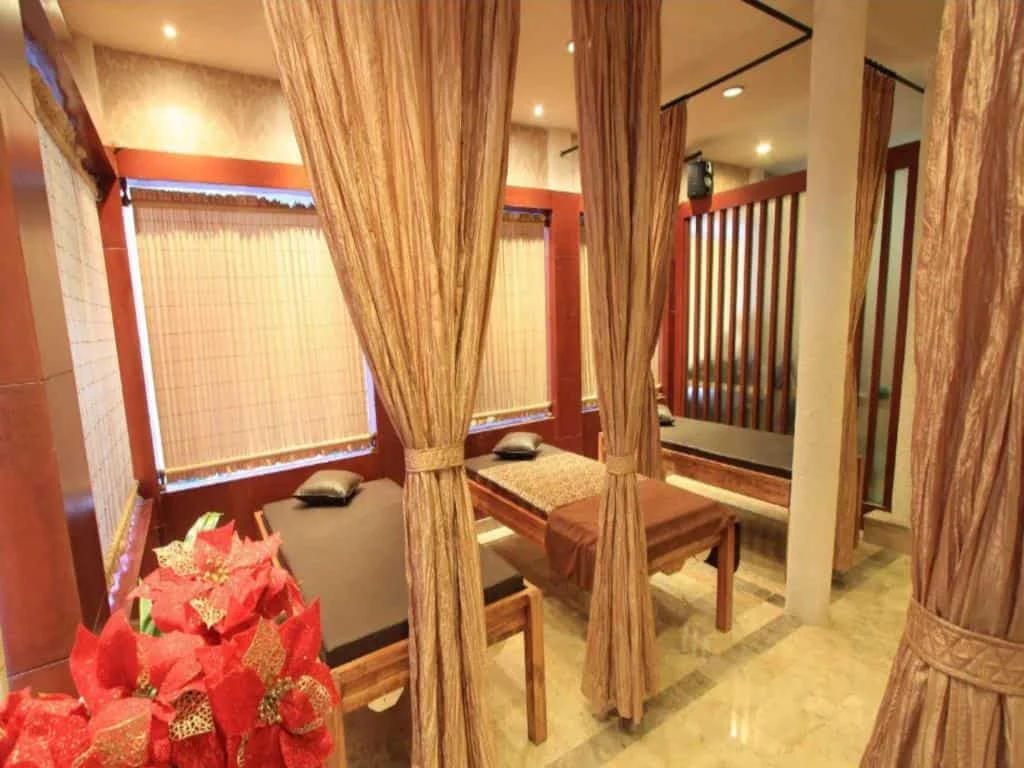
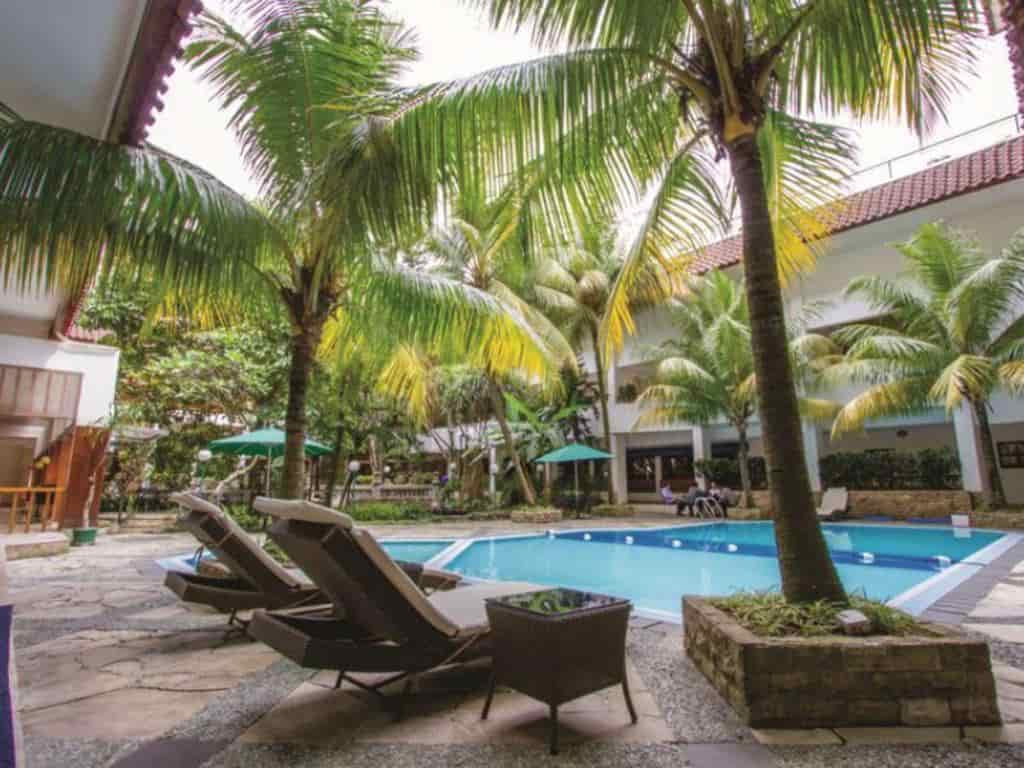
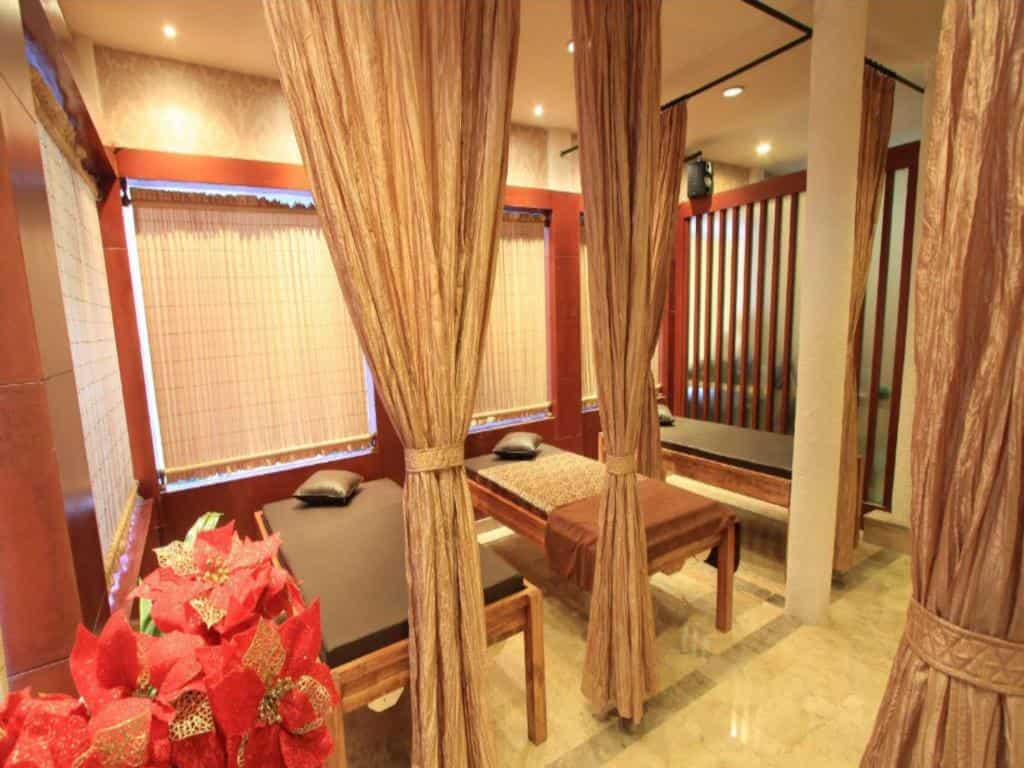
The range of amenities available on-site reflects the comprehensive nature of a modern four-star urban resort. For physical well-being and recreation, the hotel features a fully equipped fitness center, a specialized spa offering traditional Indonesian wellness treatments, an outdoor swimming pool, and a dedicated library. Leisure options extend to recreational facilities such as a karaoke lounge and billiard tables.
Culinary offerings are similarly diverse, housed within multiple dining venues including an upscale restaurant, a sophisticated bar, and a traditional coffee house. To ensure seamless connectivity and operational efficiency for modern travelers, high-speed Wi-Fi is accessible throughout the property, complemented by a 24-hour front desk service. Additionally, the management provides convenient airport shuttle services for out-of-town guests upon request for a nominal additional fee. Market pricing for accommodations generally begins around IDR 509,171 per night, varying according to seasonal demand and room tier.
International Recognition and Diplomatic Significance
Despite multiple changes in ownership, nomenclature, and structural updates over its long history, Hotel Salak The Heritage has consistently maintained a reputation for elite service standards. This commitment to operational excellence gained international recognition in November 2006, when the hotel hosted high-profile diplomatic delegations.
During a state visit to Indonesia in 2006, United States President George W. Bush met with then-Indonesian President Susilo Bambang Yudhoyono in Bogor. Owing to its impeccable security infrastructure, proximity to the Bogor Palace, and world-class hospitality standards, Hotel Salak was selected to accommodate support personnel and facilitate crucial logistical operations for the visiting American delegation. In recognition of the exceptional security, operational precision, and hospitality delivered during this high-stakes diplomatic mission, the hotel was awarded a prestigious Certificate of Appreciation from the White House Communications Agency.
Economic and Cultural Implications for Bogor
The enduring presence of Hotel Salak The Heritage serves as a vital economic and cultural anchor for the city of Bogor. As heritage tourism gains momentum across Southeast Asia, properties that successfully integrate historical narratives into their business models provide significant economic value to local municipalities. By drawing domestic and international tourists interested in colonial-era architecture and historical continuity, the hotel contributes directly to regional employment, hospitality skill development, and the promotion of secondary destinations outside of Jakarta.
Furthermore, the hotel acts as a physical archive of Bogor’s urban evolution. In a rapidly modernizing nation where historical buildings are frequently demolished to make way for contemporary commercial developments, the preservation and adaptive reuse of Hotel Salak The Heritage demonstrate a viable model for heritage conservation. It highlights how historical properties can remain economically viable commercial entities while safeguarding the architectural heritage of Indonesia’s colonial past for future generations.