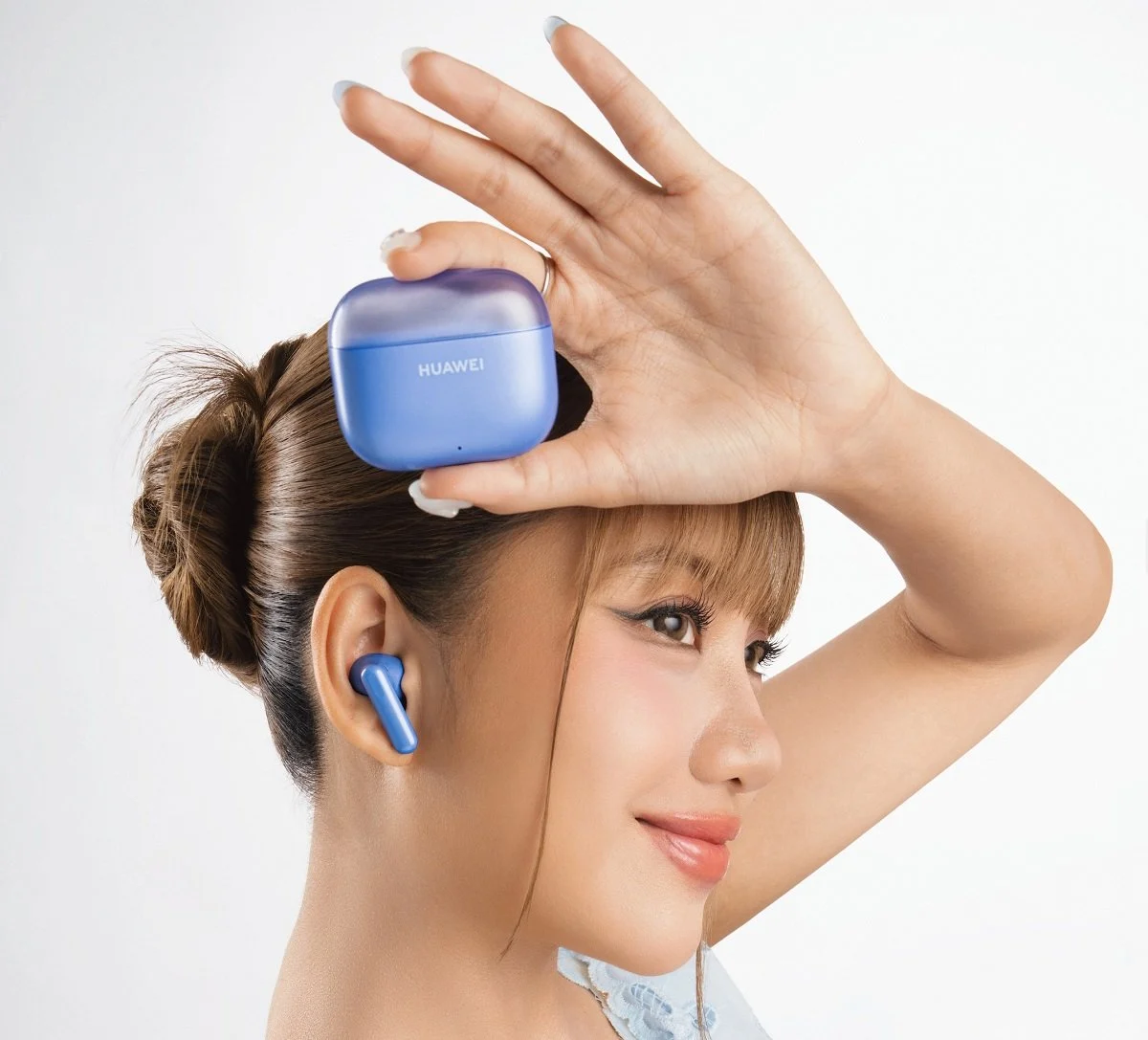
Huawei has officially expanded its audio product portfolio in Indonesia with the launch of the Huawei FreeBuds SE 5 MAX, a true wireless stereo (TWS) device designed to bring high-end features to the entry-to-mid-range market. Priced at approximately Rp459,000, the device aims to bridge the gap between budget-friendly audio accessories and professional-grade noise-canceling hardware. By integrating advanced Active Noise Cancellation (ANC) technology and high-resolution audio codecs, Huawei is signaling a shift in its strategy to capture a larger share of the competitive Southeast Asian consumer electronics sector.
A New Standard for Accessible Audio
The introduction of the FreeBuds SE 5 MAX comes at a time when consumer demand for high-fidelity portable audio is at an all-time high. Historically, TWS devices priced under the Rp500,000 mark were often characterized by basic connectivity and compromised sound quality. However, the FreeBuds SE 5 MAX seeks to disrupt this segment by incorporating a 10mm dynamic driver and support for the LDAC codec.
The LDAC codec is a critical inclusion for audiophiles. Capable of transmitting data at speeds of up to 990 kbps, it allows for a significantly higher bitrate than standard Bluetooth audio streaming, ensuring that users can experience "Hi-Res Audio" with minimal loss in detail. This technical integration suggests that Huawei is betting on the growing sophistication of the average Indonesian consumer, who increasingly prioritizes sound resolution over simple brand aesthetics.
Technological Prowess: Multi-Mode ANC and Sound Customization
The core value proposition of the FreeBuds SE 5 MAX lies in its robust noise-cancellation capabilities. The device features Multi-Mode ANC, which boasts a maximum reduction threshold of 52 dB. This is a significant leap for a budget-tier product, effectively placing it in direct competition with more expensive premium models currently saturating the market.
The ANC implementation is split into four distinct, intelligent modes:
- Ultra Mode: Designed for extremely noisy environments such as public transport, airplanes, or busy city streets.
- General Mode: A balanced setting for everyday office or indoor environments.
- Cosy Mode: Intended for quiet spaces where users still want to filter out low-frequency hums, such as air conditioning or distant traffic.
- Adaptive Mode: A real-time monitoring system that uses internal microphones to scan the ambient environment and adjust the noise-cancellation intensity automatically.
In addition to ANC, Huawei has placed a heavy emphasis on sound personalization. Through the Huawei Audio Connect application, users can navigate four distinct EQ presets: Default, Bass Boost, Treble Boost, and Voices. For those seeking even more granular control, the device offers 10 custom sound effect profiles, allowing users to tailor the frequency response to their specific musical preferences.
Communication and Durability in External Environments
Modern TWS usage is rarely limited to music playback; the rise of remote work and mobile-first communication has made microphone quality a primary concern. To address this, the FreeBuds SE 5 MAX utilizes a Triple-Mic AI Call Noise Cancellation system. By employing directional pickup algorithms, the internal software can isolate the user’s voice from background noise, ensuring clarity during calls even in chaotic environments.
Furthermore, the inclusion of "Wind Noise Reduction" technology provides a practical solution for users who frequently utilize their earbuds during outdoor activities or while commuting on motorcycles. By mitigating the turbulence generated by wind across the microphone ports, the device ensures that voice calls remain intelligible regardless of environmental factors.
The Strategic Context of the Indonesian Market
The launch of the FreeBuds SE 5 MAX is not an isolated event but rather a continuation of Huawei’s broader regional strategy. In recent years, Huawei has pivoted away from its smartphone-centric model toward a "1+8+N" ecosystem approach, where wearables and audio devices serve as critical nodes for user retention.
Indonesia represents a key market for this strategy. As one of the world’s largest mobile-first populations, the demand for affordable, feature-rich consumer electronics has grown steadily. According to industry analysts, the TWS market in Indonesia has seen a compound annual growth rate (CAGR) of over 15% in the last three years. By positioning the FreeBuds SE 5 MAX at an aggressive price point of Rp459,000, Huawei is positioning itself to capture the "value-conscious professional" demographic.
Chronology of the Product Line
The FreeBuds SE series has historically been Huawei’s answer to the mass market. The previous iterations focused primarily on battery longevity and ergonomic comfort. With the introduction of the "MAX" suffix in the 5th generation, the company is signaling that it is no longer satisfied with mere utility. This shift represents a transition toward "democratized technology," where features previously reserved for flagship models—such as adaptive ANC and high-bitrate codecs—are now standard in lower-cost tiers.
Market Implications and Competitive Landscape
The release of the FreeBuds SE 5 MAX places immediate pressure on both domestic Indonesian brands and international competitors. Brands that rely on high-volume, low-margin sales will now need to justify their price points against a device that offers professional-grade noise cancellation and Hi-Res certification at an entry-level price.
Industry observers suggest that this move could trigger a price war in the TWS segment. "When a tier-one manufacturer like Huawei introduces a 52 dB ANC solution at this price, it forces every other player in the ecosystem to re-evaluate their component sourcing and pricing strategy," noted one market analyst.
Moreover, the integration with the Huawei Audio Connect ecosystem creates a "walled garden" effect. While the earbuds function with any Bluetooth-enabled device, the full range of customization and EQ settings is optimized for the Huawei ecosystem, incentivizing users to remain within the brand’s sphere of hardware.
Future-Proofing the Audio Experience
Beyond the immediate hardware specs, the focus on AI-driven call clarity indicates the direction in which the industry is heading. The use of directional pickup algorithms is a move away from passive noise cancellation toward active, software-driven signal processing. As these algorithms improve through over-the-air (OTA) updates, the FreeBuds SE 5 MAX is likely to retain its relevance in the market longer than its predecessors.
The inclusion of an intelligent adaptive mode also addresses one of the most common complaints among TWS users: the need to constantly switch settings. By automating the noise-canceling experience, Huawei is targeting a user base that prioritizes convenience alongside quality.
Conclusion
The Huawei FreeBuds SE 5 MAX represents a comprehensive effort to bring high-end functionality to the budget-conscious consumer. With its combination of LDAC support, a 52 dB noise-cancellation rating, and AI-enhanced microphone technology, the device is well-positioned to become a dominant player in the Indonesian audio market.
As the device becomes available through major retail channels and online marketplaces, its performance in real-world conditions will be the ultimate test. However, based on the specifications and the strategic pricing deployed by Huawei, the FreeBuds SE 5 MAX is poised to set a new benchmark for what consumers should expect from an affordable TWS headset in 2026. Whether this will successfully shift market sentiment remains to be seen, but the clear commitment to hardware innovation at this price point is an undeniable win for the end-user.