
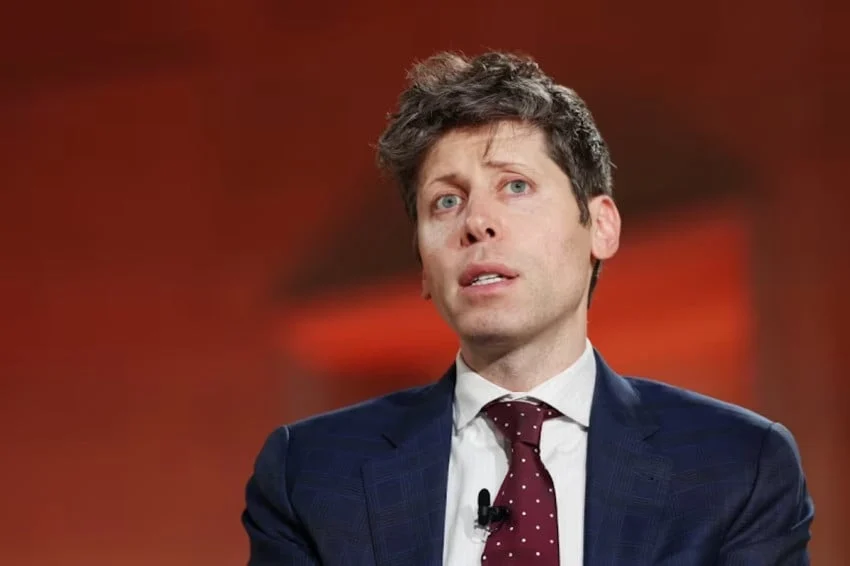
SAN FRANCISCO – The tranquility of Sam Altman’s San Francisco residence was shattered in the early hours of Friday, April 13th, 2026, when an assailant hurled a Molotov cocktail at his property. The incendiary device ignited at the exterior gate, creating a brief but alarming blaze before the perpetrator fled the scene. Fortunately, no injuries were reported during the incident, and the fire was quickly contained.
Law enforcement responded swiftly to the disturbance, and within a short period, a 20-year-old male suspect was apprehended in connection with the attack. The individual now faces a severe battery of charges, including attempted murder and arson of property. Subsequent investigations have revealed a disturbing potential link between the suspect and anti-artificial intelligence sentiments, with preliminary findings suggesting his past involvement in a Discord server associated with the "PauseAI" movement.
The PauseAI group, however, has publicly distanced itself from the direct actions of the alleged perpetrator. In a formal statement, the organization asserted that the individual’s activity within their server was minimal, consisting of only 34 messages over a two-year span, and crucially, that he never advocated for or incited violence. "Violence is contrary to our principles," the group emphasized, seeking to underscore their commitment to non-violent opposition to AI development.
Despite PauseAI’s disavowal, the incident has undeniably amplified existing concerns and ignited a broader conversation about the escalating global tensions surrounding the rapid advancement of artificial intelligence. The attack, while criminal in nature, serves as a stark, albeit extreme, manifestation of the deep-seated anxieties that the burgeoning power of AI has engendered worldwide.
The Rise of OpenAI and the Dawn of Generative AI
The emergence of OpenAI as a dominant force in the technological landscape has been meteoric, particularly since the public unveiling of its groundbreaking chatbot, ChatGPT, in November 2022. This event marked a pivotal moment, democratizing access to sophisticated language models and showcasing the transformative potential of generative AI to a global audience. OpenAI, under the leadership of Sam Altman, has since pushed the boundaries of machine capabilities with the development of increasingly powerful models, such as the anticipated GPT-5.4, often referred to as "frontier AI." These advancements, while hailed for their innovation, have simultaneously fueled widespread apprehension.
Roots of the Conflict: Fear and Uncertainty Surrounding AI
The anxieties surrounding AI are multifaceted and deeply rooted in both immediate and speculative concerns. One of the most prominent areas of worry revolves around the potential displacement of human workers across various sectors. As AI systems become more adept at performing tasks previously exclusive to human intellect and labor, fears of mass unemployment and economic disruption are increasingly voiced. Reports from organizations like the World Economic Forum have consistently highlighted the transformative impact of AI on the future of work, predicting significant shifts in labor market demands and skill requirements. For instance, a 2023 WEF report estimated that AI could automate up to 85 million jobs globally by 2025, while simultaneously creating new roles requiring different skill sets.
Beyond economic implications, profound ethical dilemmas are at the forefront of public discourse. Questions surrounding data privacy, algorithmic bias, and the potential for AI to perpetuate or even amplify societal inequalities are critical. The development of AI systems trained on vast datasets, which may contain inherent biases, can lead to discriminatory outcomes in areas such as hiring, loan applications, and even criminal justice. Ensuring fairness, transparency, and accountability in AI development and deployment remains a significant challenge.

Furthermore, the potential for the malicious use of AI technology casts a long shadow. Concerns range from the proliferation of sophisticated disinformation campaigns and deepfakes, which can erode trust in institutions and manipulate public opinion, to the development of autonomous weapons systems that raise complex questions about human control and responsibility in warfare. The very notion of artificial general intelligence (AGI) – AI that possesses human-like cognitive abilities – also evokes existential fears about humanity’s future and the potential loss of control over its own creations.
Chronology of Escalating AI Sentiments
The incident at Sam Altman’s home did not occur in a vacuum. It is the culmination of a growing wave of public sentiment, both positive and negative, surrounding AI.
- November 2022: OpenAI launches ChatGPT, sparking widespread public fascination and a surge in AI adoption and development.
- Early 2023: The rapid advancement of AI models, including OpenAI’s GPT-4, leads to increased media attention and public debate about AI’s capabilities and implications.
- Mid-2023: Concerns about AI’s impact on jobs, ethics, and security begin to gain significant traction in mainstream discourse. Online communities and activist groups dedicated to AI safety and regulation start to proliferate.
- Late 2023 – Early 2024: Governments and international bodies begin to seriously consider AI regulation, with various proposals and frameworks emerging globally. Discussions around the potential risks of "superintelligence" and existential threats intensify.
- Early 2024: The formation and visibility of groups like "PauseAI," advocating for a halt or significant slowdown in AI development, indicate a more organized and vocal opposition. Their online presence and messaging, while professing non-violence, contribute to the broader narrative of AI apprehension.
- April 13, 2026: The Molotov cocktail attack on Sam Altman’s home occurs, bringing the abstract fears surrounding AI into a tangible and alarming reality.
Supporting Data and Expert Analysis
The concerns fueling such extreme reactions are not unfounded, according to numerous studies and expert analyses. Research from institutions like the McKinsey Global Institute consistently points to the disruptive potential of AI on labor markets, estimating that by 2030, between 400 million and 800 million individuals globally may need to switch occupations due to automation.
Ethical considerations are equally pressing. A 2025 report by the AI Ethics Institute highlighted that a significant percentage of AI systems in use exhibited biases related to race, gender, and socioeconomic status, underscoring the urgent need for more robust ethical guidelines and auditing mechanisms. The proliferation of AI-generated disinformation, a phenomenon that has already demonstrably influenced political discourse and public perception, presents a formidable challenge to democratic societies. According to a study published in the journal Nature, the sophistication of deepfake technology has reached a point where distinguishing between real and AI-generated content is becoming increasingly difficult for the average user.
Official Responses and Broader Implications
While the immediate focus of law enforcement is on apprehending and prosecuting the individual responsible for the attack, the incident has prompted broader reflections from the tech industry and policymakers. Representatives from major AI development companies, while condemning the violence, have acknowledged the importance of addressing public concerns. There is an increasing recognition within the industry that responsible innovation must be coupled with proactive engagement with societal anxieties.
This attack, however isolated, serves as a potent symbol of the deep divisions and anxieties that AI is generating. It underscores the critical need for a more nuanced and inclusive dialogue about the future of artificial intelligence. This dialogue must involve not only technologists and policymakers but also the broader public, ensuring that the development of AI aligns with human values and societal well-being.
The implications of this event extend beyond the immediate legal proceedings. It highlights the potential for fringe sentiments to escalate into violent acts when fueled by widespread public apprehension. It also places a spotlight on the responsibility of technology leaders and organizations to not only innovate but also to actively communicate, educate, and collaborate with society to mitigate fears and build trust. As AI continues its relentless march forward, ensuring that its development is guided by ethical principles, societal benefit, and robust safety measures will be paramount in preventing future incidents and fostering a more harmonious integration of artificial intelligence into our lives. The incident at Sam Altman’s home, while a criminal act, serves as a stark reminder that the future of AI is not solely a technological challenge, but a deeply human one.
