
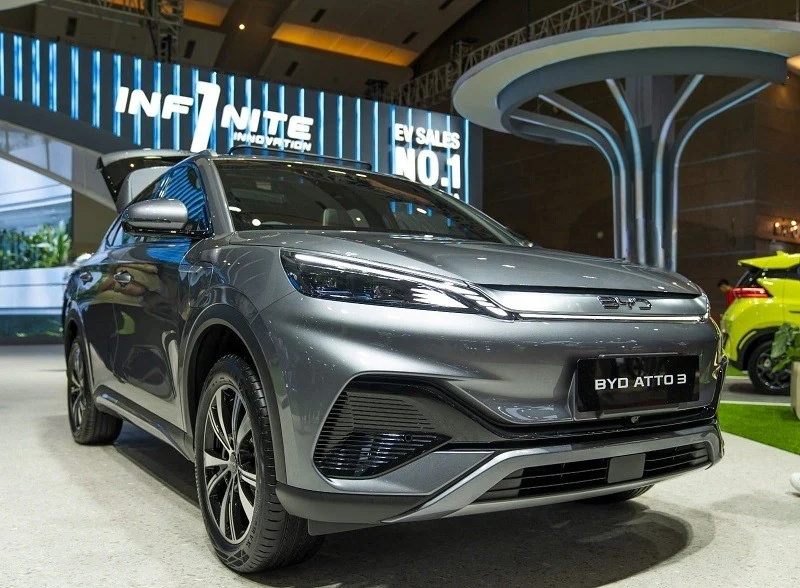
The Indonesian automotive industry, while experiencing a modest growth of approximately 3%, is witnessing a dramatic surge in the electric vehicle (EV) segment. Amidst this wave of electrification, BYD, a prominent manufacturer from China, has emerged as the undisputed leader, capturing an impressive market share of around 60%. This dominance is underscored by remarkable sales figures, with the company selling approximately 5,200 units in January 2026 alone, a nearly five-fold increase compared to the same period in the previous year. This translates to six out of every ten new electric cars hitting Indonesian roads in early 2026 being a BYD product.
BYD’s Meteoric Rise in the Archipelago
BYD’s significant market penetration did not occur overnight. The company has strategically positioned itself as a frontrunner in Indonesia’s burgeoning EV landscape. Its presence at recent exhibitions was not merely to participate but to emphatically declare its leadership. The reported 60% market share signifies a profound consumer trust in BYD’s technological prowess and product quality. This trust, according to Luther Panjaitan, Head of Public and Government Relations at PT BYD Motor Indonesia, is a direct result of the company’s commitment to innovation, a comprehensive product portfolio, and competitive pricing strategies.
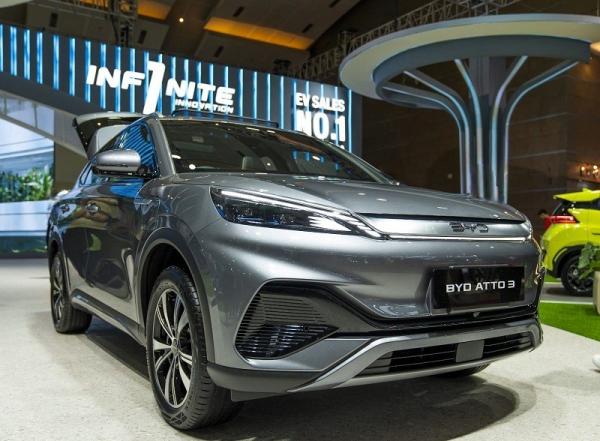
The January 2026 sales data paints a compelling picture of BYD’s accelerated growth. This surge of nearly 400% year-on-year highlights a significant shift in consumer preference towards electric mobility and BYD’s success in capitalizing on this trend. This rapid adoption rate suggests that BYD has effectively addressed key consumer concerns, such as range anxiety, charging infrastructure accessibility, and affordability, which have historically been barriers to EV adoption in many developing markets.
Strategic Pillars of BYD’s Success
BYD’s strategy in Indonesia appears to be multifaceted, focusing on several key areas:
- Technological Innovation: BYD is globally recognized for its advanced battery technology, particularly its Blade Battery. The introduction of the second generation of this technology, which boasts an impressive 97% charge in just 9 minutes, addresses a critical pain point for EV owners – charging time. This commitment to cutting-edge battery solutions provides a significant competitive advantage.
- Product Diversification: The company has introduced a range of EV models catering to different market segments and price points. This includes popular models like the BYD Dolphin, BYD Atto 3, and the BYD Seal, offering consumers choices that align with their specific needs and budgets. This broad appeal has allowed BYD to capture a wider customer base.
- Competitive Pricing: In a market sensitive to price, BYD has managed to offer its EVs at competitive price points, making electric mobility more accessible to a larger segment of the Indonesian population. This strategy has been instrumental in driving sales volume and achieving market dominance.
- Expanding Charging Infrastructure: Recognizing the importance of a robust charging network, BYD has been proactive in establishing its presence. Recent reports indicate that BYD is preparing for the anticipated surge in electric vehicle usage during the 2026 mudik (annual homecoming travel) season by deploying fast-charging posts at strategic locations across the country. This forward-thinking approach demonstrates a commitment to supporting EV owners and alleviating potential range anxiety during long journeys.
Contextualizing the EV Boom in Indonesia
Indonesia’s push towards electric vehicles is part of a broader national agenda to reduce carbon emissions and reliance on fossil fuels. The government has been implementing various policies and incentives to encourage EV adoption, including tax breaks and subsidies. However, the success of BYD suggests that while governmental support is crucial, market-driven factors like product offering, technological advancement, and consumer appeal play an equally, if not more, significant role in driving adoption.

The Indonesian automotive market has historically been dominated by internal combustion engine (ICE) vehicles, with a strong preference for Japanese brands. The rapid ascent of a Chinese EV manufacturer like BYD signifies a significant disruption in this established order. It reflects a growing global trend where Chinese automotive brands are increasingly competing on a global stage, not just on price, but also on technology and quality.
Anticipating Future Trends and Challenges
BYD’s current market leadership positions it strongly for future growth. However, the Indonesian EV market is dynamic and highly competitive. Established global automakers are also increasing their investment in EVs and are expected to launch new models and expand their charging infrastructure in Indonesia.
Potential Implications of BYD’s Dominance:

- Accelerated EV Adoption: BYD’s success is likely to further accelerate the overall adoption of EVs in Indonesia, encouraging more consumers to consider electric alternatives.
- Increased Competition: The strong performance of BYD will undoubtedly spur greater competition, leading to more innovation and potentially lower prices for consumers in the long run.
- Development of Local Ecosystem: The increased presence of EVs will necessitate the development of a robust local ecosystem, including charging infrastructure, battery maintenance, and skilled technicians. BYD’s proactive approach to charging infrastructure is a step in this direction.
- Shift in Automotive Manufacturing: If current trends continue, Indonesia could see a significant shift in its automotive manufacturing landscape, with a greater focus on electric vehicle production and components.
BYD’s Commitment to the Indonesian Market
The company’s engagement goes beyond mere sales. BYD’s investment in establishing a strong presence, including its commitment to expanding charging facilities, signals a long-term vision for the Indonesian market. The company’s ability to adapt its offerings and marketing strategies to local consumer preferences has been a key factor in its rapid ascent.
The "Baca Juga" (Read Also) links embedded within the original article provide further insight into BYD’s ongoing initiatives and technological advancements. The mention of "Antisipasi Lonjakan Kendaraan Listrik di Mudik 2026 BYD Kerahkan Posko Fast Charging di Sejumlah Titik" highlights their preparedness for peak travel periods, a crucial consideration for any automotive manufacturer in Indonesia. Similarly, the "BYD Kenalkan Blade Battery Generasi Kedua Isi Daya 97 Persen Hanya 9 Menit" points to their continuous pursuit of technological superiority, directly addressing consumer concerns about charging times.
As Indonesia continues its journey towards a more sustainable transportation future, BYD’s current market dominance serves as a powerful indicator of the evolving automotive landscape. The company’s strategic approach, characterized by technological innovation, diverse product offerings, and competitive pricing, has firmly established it as the frontrunner in the nation’s rapidly expanding electric vehicle sector. The coming years will be crucial in observing how BYD maintains its lead and how the competitive landscape shapes the future of electric mobility in Indonesia.
