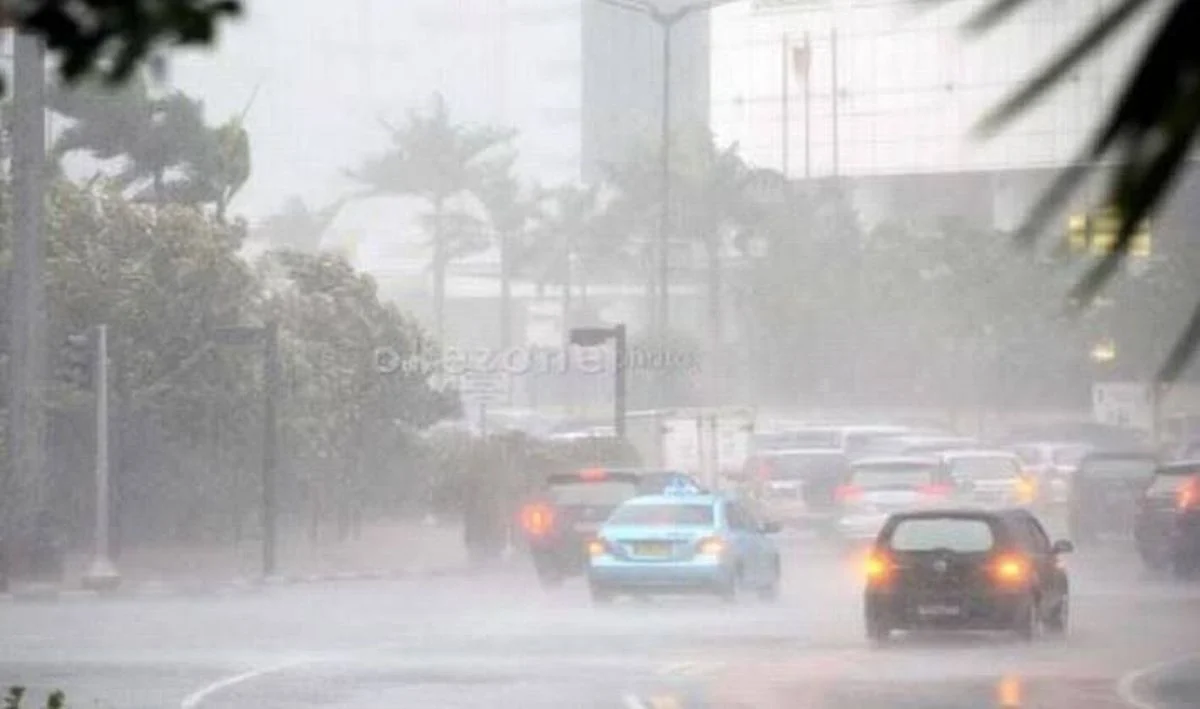
The Meteorology, Climatology, and Geophysics Agency (BMKG) has issued a weather forecast for Jakarta on Tuesday, September 22, 2026, indicating a mixed meteorological outlook characterized by localized light rainfall across several administrative regions, while coastal areas remain under partly cloudy conditions. Residents and commuters are advised to prepare for intermittent precipitation throughout the day as the city experiences a period of transition in its seasonal patterns.
Regional Weather Breakdown
According to the latest bulletin from the BMKG, the meteorological conditions across the six administrative regions of Jakarta exhibit variations in temperature and humidity levels. The forecast suggests that while the capital will generally remain within a comfortable temperature range of 25 to 32 degrees Celsius, the presence of atmospheric instability will likely trigger light rain in specific zones.
In Central Jakarta, light rain is anticipated, with temperatures fluctuating between 26 and 31 degrees Celsius and humidity levels ranging from 60 to 91 percent. Similar conditions are expected in West Jakarta, South Jakarta, and East Jakarta, all of which face the likelihood of light showers. West Jakarta, in particular, may see temperatures peaking at 32 degrees Celsius, with humidity levels reaching up to 93 percent, creating a somewhat humid environment.
Conversely, the coastal areas of North Jakarta and the Kepulauan Seribu (Thousand Islands) are projected to remain mostly cloudy. North Jakarta is expected to see temperatures between 26 and 30 degrees Celsius, while the Kepulauan Seribu will experience slightly cooler conditions, ranging from 28 to 29 degrees Celsius. The absence of rain in these northern zones is attributed to localized coastal wind patterns that often differ from the convective rain clouds that typically form over the inland metropolitan areas.
Understanding Meteorological Dynamics in Jakarta
The current weather pattern in Jakarta is reflective of the complex tropical climate that defines the region. During the month of September, Jakarta is often in a transitional phase as it moves toward the end of the dry season, leading to periods where solar heating of the land surface creates strong updrafts. These updrafts, when combined with sufficient atmospheric moisture, frequently result in the formation of cumulonimbus clouds, which are the primary drivers of the light-to-moderate rainfall observed today.
Meteorologists emphasize that humidity is a critical factor in these forecasts. With humidity levels reaching as high as 96 percent in parts of South Jakarta, the "feels-like" temperature may exceed the actual thermometer reading. This high moisture content is a typical feature of the Indonesian maritime continent, where sea-surface temperatures play a significant role in influencing the intensity and frequency of precipitation.
Safety Precautions and Public Advisory
The BMKG has issued a standard advisory for the public to remain vigilant, particularly for those engaged in outdoor activities. While the anticipated rainfall is categorized as "light," the agency warns that sudden changes in weather are possible in tropical climates. Urban areas like Jakarta are particularly sensitive to localized rainfall due to the high density of concrete surfaces, which can lead to rapid runoff and minor pooling in low-lying areas.

The agency recommends that citizens monitor real-time weather updates through official channels, including the BMKG mobile application or their verified social media platforms. For commuters, particularly those relying on motorcycles, the light rain can create slippery road conditions, which historically correlate with an increase in traffic accidents. Authorities suggest that motorists maintain a safe distance and reduce speed when navigating through areas experiencing active rainfall.
Broader Implications: Urban Infrastructure and Climate
The consistency of these weather events highlights the ongoing challenges of urban water management in Jakarta. As the city continues to navigate the complexities of rapid urbanization and climate change, the ability of its drainage systems to handle even minor, consistent rainfall remains a point of focus for municipal planners.
Historically, the period leading into the latter months of the year marks a shift in wind direction and moisture influx. The current forecast is consistent with long-term data for late September, which often shows a gradual increase in rainfall frequency as the region prepares for the onset of the monsoon season. Experts note that while the current light rain does not pose a significant flood risk, the cumulative effect of soil saturation is an important consideration for long-term disaster mitigation strategies.
The Role of Data-Driven Forecasting
The accuracy of these daily forecasts relies on a sophisticated network of automated weather stations, satellite imagery, and numerical weather prediction models. By providing granular data for each of the six administrative regions—Central, West, South, East, North, and the Thousand Islands—the BMKG enables city authorities to manage public services more effectively. This data is essential not only for the general public but also for sectors such as aviation, maritime transport, and logistics, all of which are highly sensitive to sudden weather shifts in the Jakarta metropolitan area.
The integration of video briefings and digital alerts represents a modern approach to public safety, ensuring that information reaches residents as quickly as possible. As the day progresses, the BMKG will continue to track cloud formations and wind patterns to determine if any upgrades to the weather warning status are required.
Conclusion and Outlook
As Jakarta navigates this Tuesday, the prevailing weather condition remains manageable, yet necessitates a degree of caution. With the potential for light rain across the majority of the city, residents should ensure they have appropriate rain gear if they plan to be outdoors.
The interplay between the urban heat island effect—where the city center remains significantly warmer than the outskirts—and the natural humidity of the region continues to shape the daily weather experience for millions of residents. While the forecast for September 22, 2026, does not suggest extreme weather events, the routine monitoring provided by the BMKG serves as a vital tool for maintaining the continuity of daily life in one of the world’s most populous and dynamic metropolitan regions.
The public is encouraged to stay informed and prioritize safety, recognizing that in the tropical climate of Indonesia, environmental conditions can shift rapidly, requiring constant awareness and readiness. By following official guidance and remaining attentive to the local atmospheric developments, the residents of Jakarta can mitigate the minor inconveniences posed by the current weather cycle.