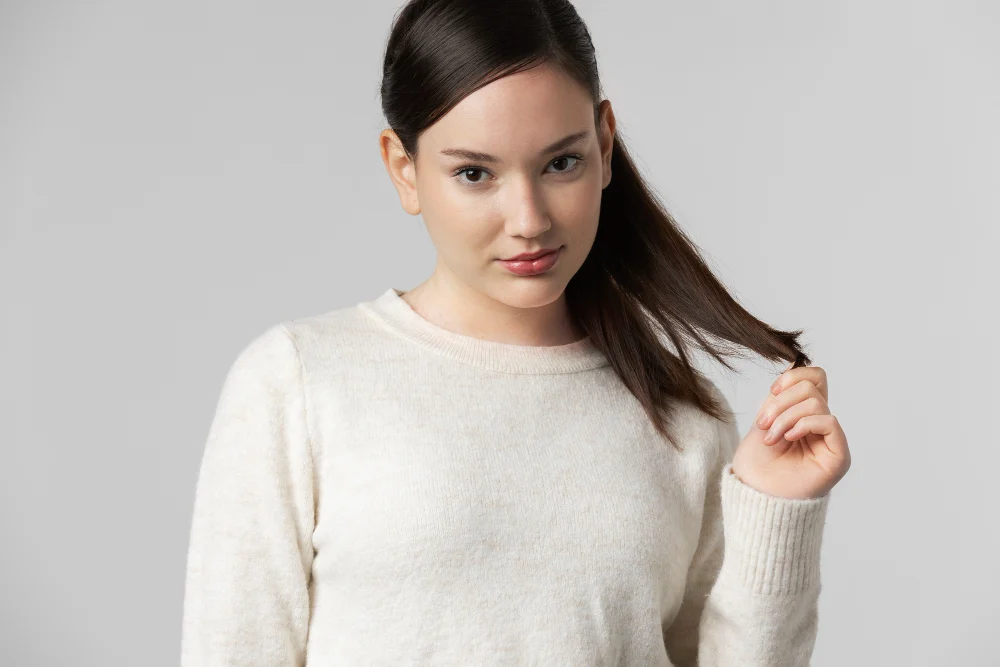
Finding the perfect hairstyle often involves a delicate balance between personal preference and facial structure. For individuals with a broader forehead, the goal is frequently to achieve visual equilibrium, ensuring that the hair acts as a frame that enhances rather than exposes the area they wish to soften. While beauty standards continue to evolve, the psychological impact of feeling confident in one’s appearance remains a constant factor in consumer behavior, driving the multi-billion dollar hair styling industry.
The Psychology and Aesthetics of Facial Framing
According to aesthetic experts and hair stylists, the perceived width of a forehead is often a result of the hairline’s placement and the overall shape of the face—be it oval, round, heart-shaped, or square. When the forehead is a prominent feature, the objective of a haircut is typically to introduce "visual breaks" or softness.
Recent industry data from global beauty research firms suggests that inquiries regarding "face-framing" hairstyles have seen a 25% increase over the last three years. This trend is largely attributed to the rise of social media filters and video conferencing, where facial proportions are magnified, prompting individuals to seek professional advice or DIY styling techniques that can mitigate self-consciousness.
1. The Strategic Use of Half-Up Half-Down Styles
The half-up, half-down hairstyle serves as a functional and aesthetic bridge between a formal updo and the casual freedom of loose hair. For those with a wider forehead, the key to this style lies in the "curtain effect." By pulling only the crown section of the hair back and leaving the sides to cascade forward, the wearer effectively narrows the perceived width of the face.
Incorporating side-swept bangs into this style is a technique often recommended by celebrity stylists. Unlike blunt, heavy bangs that can sometimes create a harsh line across the face, side-swept bangs create an diagonal line. This diagonal line draws the eye downward, rather than horizontally across the forehead, effectively balancing the facial proportions.
2. Utilizing Texture: The Power of Waves and Volume
Flat, straight hair often acts as a spotlight on the hairline, whereas wavy or curly hair introduces texture that distracts the eye. From a stylistic perspective, volume is the primary tool for managing facial proportions. When hair has body—whether through natural texture, heat styling, or volumizing products—it occupies more space around the temples and cheeks.

This shift in volume ensures that the widest point of the hairstyle aligns with the cheekbones or jawline rather than the forehead. By using a curling wand or sea salt spray, one can create soft waves that frame the face. When paired with a strategic side part, the volume creates an asymmetrical silhouette that is universally flattering, as it breaks the symmetry that might otherwise emphasize a high or wide hairline.
3. Mastering the Updo with Softening Elements
There is a common misconception that individuals with broader foreheads should avoid updos. However, the secret lies in how the hair is gathered. A tight, slicked-back ponytail or bun can indeed emphasize a wider forehead, but an "undone" or "soft" updo offers a sophisticated alternative.
The modern updo for this face shape involves pulling the hair back loosely and allowing tendrils to fall naturally around the temples. These wispy pieces of hair, often referred to as "face-framing layers," act as a soft border. When combined with light, airy bangs, the updo transitions from a functional necessity to an intentional, high-fashion statement. This style is frequently seen in runway aesthetics, where the focus is on creating an ethereal, effortless appearance.
4. The Geometry of the Center Part with Layers
While side parts are traditionally recommended for balancing features, the center part—when executed with precision—can be highly effective for those with a wider forehead, provided it is paired with long, face-framing layers. The center part creates two vertical lines that frame the sides of the forehead, effectively "cutting" the width of the skin area.
By incorporating layers that begin at the chin or cheekbone, the focus of the face is shifted downward. This technique is a staple in professional hair styling because it provides a clean, modern aesthetic that is both versatile and low-maintenance. The key is to ensure the layers are blended seamlessly to avoid a boxy appearance, which would counteract the goal of slimming the forehead.
5. Curtain Bangs: The Modern Standard
While not explicitly detailed in every basic styling guide, curtain bangs have become the industry-standard solution for forehead management. These are long, parted bangs that sweep toward the ears, effectively covering the outer corners of the forehead. Because they are longer than traditional bangs, they are easier to grow out and require less frequent maintenance, making them a practical choice for the modern, busy professional.
Industry Perspectives on Hair Health and Styling
Professional stylists emphasize that the best hairstyle is one that maintains the integrity of the hair. Heat styling, while effective for achieving waves or volume, should always be accompanied by thermal protection. Over-styling can lead to breakage, which may result in thinning hair around the hairline, ironically exacerbating the very issue one is trying to camouflage.

"The approach to hair styling is holistic," notes a lead stylist at a prominent London-based salon. "We don’t just look at the forehead; we look at hair density, texture, and the client’s lifestyle. If someone has a wide forehead, we often suggest a combination of long layers and strategic coloring, such as highlights around the face, to create depth."
The Chronology of Styling Trends
The history of hair styling as a tool for facial correction dates back decades. In the 1960s, the "Bouffant" was used to draw attention to the height of the hair rather than the forehead. In the 1990s, the "Rachel" cut utilized heavy layering to frame the face, effectively setting a trend that remains popular today.
We are currently seeing a move toward "effortless" beauty. The emphasis is no longer on hiding features but on "harmonizing" them. This shift reflects a broader societal move toward body positivity, where the objective is to feel comfortable and confident in one’s natural shape, using styling as an enhancement rather than a mask.
Broader Implications for the Beauty Sector
The implications of these styling techniques extend beyond personal aesthetics; they influence the development of hair care products. Market analysis indicates a significant rise in demand for "texturizing" sprays and "root lifters," as consumers seek tools that allow them to replicate professional results at home.
Furthermore, the rise of digital consultations in the hair industry means that individuals can now access professional advice on how to frame their faces without the barrier of physical salon visits. This democratization of expertise has empowered consumers to take a more proactive role in their grooming routines.
Conclusion
Ultimately, having a broad forehead is a common physical trait that offers a versatile canvas for various hairstyles. Whether through the strategic use of side-swept bangs, the addition of volume via waves, or the clever placement of layers, individuals have numerous options to achieve their desired look. By focusing on techniques that draw the eye toward the eyes, cheekbones, or lips, one can effectively achieve a balanced and confident appearance. The most important factor remains selecting a style that aligns with one’s hair texture and maintenance capabilities, ensuring that the final result is as sustainable as it is stylish. As the beauty industry continues to evolve, the focus on personalization and healthy styling practices will remain the cornerstone of effective hair management for all.