Jakarta (ANTARA) – Her Majesty Queen Máxima of the Netherlands has just concluded a significant working visit to Indonesia, spanning from Monday, November 24, to Thursday, November 27, 2025. The visit underscored her dedicated efforts in her capacity as the United Nations Secretary-General’s Special Advocate (UNSGSA) for Inclusive Finance for Development, rather than as the Queen of the Netherlands. This distinction highlights her profound commitment to advancing global financial health and well-being, focusing on the critical role of accessible and responsible financial services in fostering sustainable development. Her itinerary was meticulously crafted to engage with various stakeholders, observe local initiatives, and promote strategic dialogues on financial inclusion and the financial health of communities across the archipelago.
Queen Máxima’s mandate as UNSGSA, a role she assumed in 2009, involves advocating for universal access to affordable, effective, and safe financial services. These services are crucial for empowering individuals, households, and small businesses, enabling them to manage their finances, invest in their futures, and cope with economic shocks. Her work with the UN emphasizes financial inclusion as a cornerstone of poverty reduction, gender equality, food security, and overall economic stability, aligning directly with several Sustainable Development Goals (SDGs). Indonesia, with its vast and diverse population, rapid digitalization, and ongoing efforts to bridge economic disparities, serves as a crucial partner and a vibrant laboratory for innovative financial inclusion strategies.
This recent visit marked Queen Máxima’s fifth trip to Indonesia, reflecting a sustained and deepening engagement with the nation’s financial inclusion agenda. Her previous visits as UNSGSA took place in 2012, 2016, and 2018, each building upon prior discussions and witnessing the progress made in the intervening years. In 2020, she accompanied King Willem-Alexander during a state visit, where discussions also touched upon broader economic cooperation, including aspects related to sustainable finance. Her recurring presence underscores Indonesia’s strategic importance in the global financial inclusion landscape and the consistent progress the country has demonstrated in expanding access to financial services for its citizens.
Born on May 17, 1971, Queen Máxima Zorreguieta Cerruti married King Willem-Alexander in 2002 in Amsterdam. Before her royal duties, she had a distinguished career in international finance, bringing a wealth of expertise and practical understanding to her advocacy work. This background has equipped her with a unique perspective, allowing her to engage with policymakers, financial institutions, and beneficiaries alike with profound insight and empathy.
A Comprehensive Itinerary: Fostering Financial Health Across Indonesia
The three-day working visit, from Tuesday, November 25, to Thursday, November 27, 2025, was designed to provide Queen Máxima with a comprehensive overview of Indonesia’s financial inclusion ecosystem, from grassroots initiatives to high-level policy discussions. Her journey took her through various regions, including Sragen and Solo in Central Java, Jakarta, and Bekasi in West Java, showcasing the geographical and demographic breadth of Indonesia’s efforts.
Tuesday, November 25: Engaging with Communities and Local Innovations
Queen Máxima commenced her visit in Central Java, a region known for its vibrant micro, small, and medium enterprises (MSMEs) and rich cultural heritage. Her first stop was a garment factory in Sragen Regency. The choice of a manufacturing facility was strategic, allowing her to observe firsthand the financial lives of factory workers. Discussions likely centered on wage payment systems, access to digital financial services for remittances and savings, and the importance of financial literacy programs for blue-collar employees. Such visits provide valuable insights into how formal financial services can improve the economic stability of industrial workers, often a segment susceptible to informal lending practices.
Following this, Queen Máxima traveled to Kampung Batik Laweyan in Solo, a historic center for batik production. Here, the focus shifted to MSMEs and traditional craftspeople. She engaged with artisans and small business owners to discuss their experiences with financial health. The conversations likely explored challenges in accessing formal credit, the role of digital payments in their businesses, and the impact of financial literacy on their entrepreneurial endeavors. Batik artisans, often operating on thin margins, stand to benefit significantly from tailored financial products that support production, marketing, and expansion.
The day concluded with Queen Máxima’s participation in a Women’s World Banking event at the majestic Pura Mangkunegaran in Solo. Women’s World Banking is a global non-profit dedicated to designing and advocating for financial services for low-income women. At this event, Queen Máxima engaged in candid conversations with young people, university students, and entrepreneurs. The dialogue provided a platform for these individuals to share their personal experiences with various financial products and services, including mobile banking, micro-loans, and insurance. The discussions likely highlighted the specific barriers women face in accessing finance, such as lack of collateral, limited financial literacy, and social norms, while also showcasing successful interventions that empower women economically. The focus on youth and entrepreneurs underscored the importance of fostering financial resilience from an early age and supporting the engine of economic growth.
Wednesday, November 26: High-Level Dialogues and Innovative Housing Solutions
The second day of the visit moved to Jakarta, the nation’s capital, for a series of high-level meetings. Queen Máxima began her day at the local United Nations office, where she participated in a roundtable discussion with various development organizations. This gathering served as a crucial forum for exchanging insights on the current state of financial inclusion initiatives in Indonesia, identifying gaps, and strategizing collaborative approaches to accelerate progress. The collective expertise of these organizations, ranging from poverty alleviation to gender empowerment, offered a holistic perspective on the challenges and opportunities.
Next, she visited the International Finance Corporation (IFC), a member of the World Bank Group, which focuses on private sector development in emerging markets. The discussions with IFC officials revolved around the development of loans and financial products that specifically contribute to economic growth and financial health. This segment likely explored how private capital can be leveraged to scale up financial inclusion efforts, particularly in areas like SME financing, green finance, and digital infrastructure that supports financial services. The IFC’s role in de-risking investments and fostering innovative financial solutions is critical for sustainable development.
In the afternoon, Queen Máxima traveled to Kabupaten Bekasi, West Java, to visit the Gran Harmoni Cibitung subsidized housing complex. This visit highlighted an innovative approach to providing low-emission housing for low- and middle-income communities, addressing a critical need in a rapidly urbanizing country. She toured a resident’s home and interacted with representatives of first-time homebuyers, gaining direct insight into their aspirations and the financial mechanisms that enable homeownership.
A particularly noteworthy aspect of this visit was the inspection of a "waste bank" system, presented as an alternative method for residents to pay their housing installments. This innovative model, often facilitated by local banks or community initiatives, allows residents to deposit recyclable waste in exchange for monetary value, which can then be credited towards their home loan payments. This "waste-to-finance" model not only promotes environmental sustainability and waste management but also provides a flexible and accessible payment mechanism, especially for those with irregular incomes. Queen Máxima also observed the process of signing purchase agreements for dozens of prospective homeowners, symbolizing the tangible impact of accessible housing finance.
Concluding her busy day, Queen Máxima visited Deloitte Indonesia in Jakarta. Here, she engaged with employers to discuss their role in contributing to the financial health of their employees and clients. This session likely explored corporate wellness programs, employee financial literacy initiatives, and how businesses can foster a financially resilient workforce, recognizing that employee financial stress can impact productivity and overall well-being. The private sector plays a vital role in integrating financial health considerations into employment practices and client relationships.
Thursday, November 27: Policy Dialogues and Presidential Engagement
The final day of Queen Máxima’s visit was dedicated to high-level policy dialogues and a crucial meeting with Indonesia’s head of state. She began by participating in a comprehensive financial literacy agenda alongside key Indonesian financial authorities: Otoritas Jasa Keuangan (OJK – Financial Services Authority), Bank Indonesia (BI – Central Bank), and the Ministry of Finance (Kemenkeu). This collaborative session focused on strategies to enhance financial literacy across the Indonesian population, a foundational element for effective financial inclusion. Discussions likely covered national financial literacy campaigns, digital literacy initiatives, and the regulatory frameworks required to protect consumers and promote responsible financial behavior. OJK, BI, and Kemenkeu collectively play a pivotal role in shaping Indonesia’s financial landscape, and their engagement with Queen Máxima underscores the nation’s commitment to these critical areas.
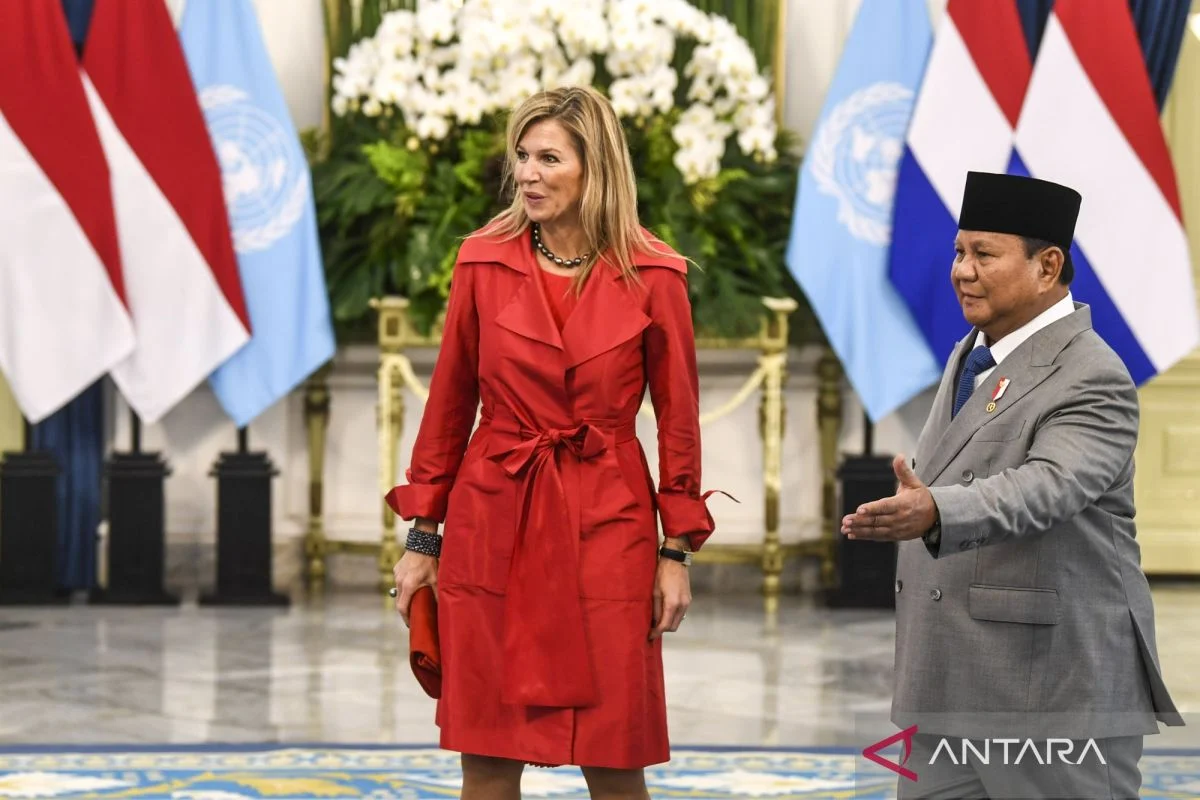
The pinnacle of her visit was a meeting with President Prabowo Subianto at the Merdeka Palace in Jakarta. This encounter, which included a private one-on-one discussion and a luncheon, provided Queen Máxima with the opportunity to convey her key findings, observations, and impressions from her extensive engagements throughout the visit. She likely shared insights on the progress Indonesia has made, highlighted areas for further development, and offered recommendations based on global best practices in financial inclusion. President Prabowo, in turn, would have reiterated Indonesia’s steadfast commitment to expanding financial access and ensuring the financial well-being of its citizens, emphasizing the government’s National Strategy for Financial Inclusion (SNKI) and its alignment with the broader economic development agenda. This high-level exchange reinforces the strong bilateral relationship between the Netherlands and Indonesia and the shared vision for a more inclusive global financial system.
Supporting Data and Indonesia’s Financial Inclusion Journey
Indonesia has made significant strides in financial inclusion over the past decade. According to the Financial Inclusion Index, the percentage of adults with access to financial services has steadily increased. In 2022, data indicated that approximately 74% of adults had an account at a financial institution or with a mobile money provider, up from around 36% in 2011. This progress is largely attributed to government policies, digital transformation, and the expansion of branchless banking services. However, challenges persist, particularly in remote areas, among women, and for micro, small, and medium-sized enterprises (MSMEs). The gender gap in financial access, while narrowing, still requires targeted interventions.
MSMEs are the backbone of the Indonesian economy, contributing significantly to GDP and employment. Yet, many struggle to access formal credit, relying instead on informal and often high-cost lending. Digital financial services (DFS), including mobile payments and online lending platforms, have emerged as powerful tools to bridge this gap, especially for the youth and those in underserved regions. The government, through OJK and BI, has actively promoted digital transformation and regulatory sandboxes to foster innovation while ensuring consumer protection.
The focus on "financial health" during Queen Máxima’s visit goes beyond mere access to services; it encompasses the ability of individuals to manage their daily finances, cope with financial shocks, and achieve their long-term financial goals. This holistic approach is crucial, as simply having a bank account does not guarantee financial well-being without accompanying literacy and appropriate product offerings.
Official Reactions and Broader Implications
While specific statements from Indonesian officials during this particular 2025 visit are inferred, it is customary for such high-profile engagements to elicit strong positive reactions. Indonesian authorities, including the President, would likely express profound appreciation for Queen Máxima’s continued advocacy and the international recognition it brings to Indonesia’s financial inclusion efforts. Officials from OJK, BI, and the Ministry of Finance would likely underscore their commitment to implementing the National Strategy for Financial Inclusion (SNKI), which aims to reach 90% financial inclusion by 2024 (a target that would likely be updated or reaffirmed for 2025 and beyond). They would also highlight ongoing initiatives to promote digital financial literacy, protect consumers, and foster a robust and inclusive financial ecosystem.
The visit carries significant implications:
- Policy Reinforcement: Queen Máxima’s recommendations and observations often serve as a catalyst for policy refinement and acceleration. Her insights, backed by global best practices, can help shape future regulatory frameworks and national strategies.
- International Collaboration: The visit strengthens Indonesia’s position as a key player in global financial inclusion efforts and reinforces international partnerships with the UN and other development agencies. It also highlights the potential for bilateral cooperation with the Netherlands in financial innovation.
- Visibility and Awareness: The high-profile nature of the visit draws national and international attention to the importance of financial inclusion, encouraging greater public and private sector engagement.
- Empowerment of Vulnerable Groups: By directly engaging with women entrepreneurs, low-income housing residents, and factory workers, the visit shines a spotlight on the specific needs of vulnerable populations and the tailored solutions required to empower them financially. The "waste-to-finance" model, for instance, offers a tangible example of innovative solutions for sustainable livelihoods.
- Sustainable Development: The emphasis on financial health contributes directly to several SDGs, including poverty alleviation (SDG 1), gender equality (SDG 5), decent work and economic growth (SDG 8), and reducing inequalities (SDG 10).
In conclusion, Queen Máxima’s fifth visit to Indonesia as UNSGSA was more than a diplomatic engagement; it was a deeply impactful working tour designed to foster financial resilience and accelerate progress towards comprehensive financial inclusion. Her engagements across diverse sectors and regions of Indonesia, from traditional batik villages to modern housing complexes and high-level policy forums, underscore a holistic approach to financial health. The visit not only showcased Indonesia’s commendable strides but also provided a renewed impetus for collaborative efforts to ensure that every Indonesian, regardless of their background or location, has access to the financial tools necessary to build a secure and prosperous future. The insights gained and dialogues initiated during this pivotal visit are expected to leave a lasting imprint on Indonesia’s ongoing journey toward a truly inclusive financial landscape.