The Piaggio MP3 marks two decades of transformative engineering in the global scooter market, representing a significant shift in how personal urban mobility is perceived and utilized. Since its inception in 2006, the Italian manufacturer has consistently pushed the boundaries of traditional motorcycle design by integrating sophisticated automotive-grade technology into a three-wheeled platform. What began as an experimental solution to urban stability has matured into a sophisticated flagship model, now featuring advanced radar-based safety systems, Euro 5+ compliant powertrains, and a refined chassis architecture that continues to set industry standards for commuters seeking both safety and agility.
A Legacy of Innovation: The 2006 Genesis
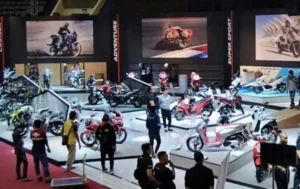
The debut of the Piaggio MP3 at the 2006 Milan Motorcycle Show was met with significant industry skepticism followed by rapid commercial success. At the time, the concept of a "tilting three-wheeler" was largely confined to niche engineering prototypes. Piaggio’s decision to mass-produce the MP3 (an acronym for Moto Piaggio a 3 ruote) signaled a strategic pivot toward addressing the inherent instability of two-wheeled vehicles on slick or uneven urban surfaces.
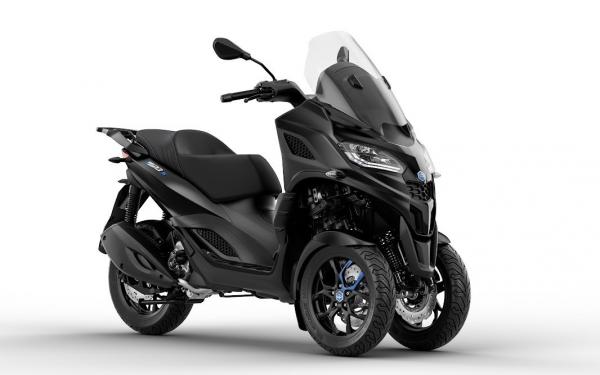
The cornerstone of this innovation is the parallelogram-based front suspension system. This mechanical linkage allows the two independent front wheels to tilt in unison with the vehicle, mirroring the natural geometry of a standard motorcycle while providing twice the tire contact patch. This dual-wheel configuration fundamentally changed the dynamics of cornering and braking. By increasing the mechanical grip, the MP3 offered riders a significant reduction in the risk of front-wheel washouts—a common hazard in wet, oily, or poorly maintained metropolitan streets.
Chronology of Engineering Milestones
The history of the Piaggio MP3 is a testament to iterative development. Between 2006 and the present, the company has navigated several distinct phases of growth:
- 2006–2008: The Pioneer Era. The initial launch utilized a 250cc engine. Within two years, Piaggio recognized the potential for larger displacement, introducing the 400cc model to accommodate long-distance commuters who required higher top speeds and sustained cruising capability.
- 2010–2014: Diversification and Refinement. During this period, the lineup expanded to include the 125cc "Yourban" models for entry-level riders and the high-performance 500cc variants. This era marked the transition from basic utility to a premium lifestyle product.
- 2018–2021: Digital Transformation. Piaggio introduced comprehensive digital dashboards and improved electronic management systems. The focus shifted toward rider comfort, including improved ergonomics and larger storage capacities.
- 2022–Present: The Era of ARAS. The modern MP3, particularly the 530cc flagship, now incorporates the Advanced Rider Assistance System (ARAS). This technology, developed in collaboration with automotive technology partners, utilizes 4D imaging radar to provide blind-spot detection, lane-change assist, and forward collision warnings—features once exclusive to luxury automobiles.
The Technical Architecture: Bridging Two and Four Wheels
The modern Piaggio MP3 is defined by its ability to integrate automotive safety paradigms into a motorcycle form factor. The most recent iteration of the suspension system has been refined for higher precision, utilizing lighter materials to reduce unsprung mass, which improves the vehicle’s agility despite its heavier physical footprint compared to a traditional scooter.
The integration of the 4D radar system is perhaps the most significant technical leap in the product’s twenty-year history. Unlike traditional sensors that only detect objects within a narrow field of view, 4D radar tracks the position, velocity, and trajectory of surrounding vehicles. This allows the MP3 to alert the rider to potential hazards before they are visible in the mirrors. For urban commuters in dense traffic, this provides a critical layer of safety that remains largely unavailable in the broader scooter segment.
Furthermore, the powertrain evolution has kept pace with stringent global environmental regulations. The current lineup—which includes the 310cc, 400cc, and 530cc engines—represents the pinnacle of Piaggio’s "HPE" (High Performance Engine) technology. These engines are designed to maximize thermodynamic efficiency, resulting in lower CO2 emissions and improved fuel economy, fully satisfying the Euro 5+ standards that define the modern European market.

Economic and Market Implications
The success of the Piaggio MP3 has effectively created a sub-segment of the motorcycle market. By appealing to a demographic of professionals who might otherwise opt for a car, the MP3 has played a vital role in urban decongestion strategies across Europe and Asia. Its design allows for a "car-like" stability that lowers the barrier to entry for novice riders while providing a sophisticated commuting tool for veterans.
Market analysis indicates that the MP3 demographic is unique. While traditional sportbike owners prioritize weight-to-power ratios and aggressive handling, MP3 owners prioritize reliability, safety, and all-weather utility. Piaggio’s ability to capture this market segment has allowed the company to maintain premium pricing, justifying the cost of developing sophisticated features like ABS (Anti-lock Braking System) and ASR (Anti-Slip Regulation) as standard equipment across the range.
Official Perspectives and Future Trajectory
In recent corporate communications, Piaggio leadership has emphasized that the MP3 is no longer just a "scooter," but a "smart mobility platform." The incorporation of connectivity features, such as the Piaggio MIA multimedia system, allows for seamless smartphone integration, turn-by-turn navigation, and call management, further cementing the vehicle’s role as an extension of the rider’s digital life.
Engineering experts at Piaggio have hinted that the next decade will likely focus on electrification and further autonomous integration. As urban centers in Europe move toward "zero-emission zones," the development of an all-electric MP3 is widely considered the logical next step. While the current 530cc internal combustion engine remains the performance benchmark, the chassis is already designed to accommodate alternative battery architectures, ensuring that the MP3 concept remains relevant in a post-fossil-fuel future.

Comparative Analysis: Why Three Wheels?
When compared to two-wheeled competitors, the MP3 occupies a distinct space. A standard 500cc scooter may offer higher power-to-weight performance, but it lacks the "parking lock" capability of the MP3. The electronic suspension locking system allows the rider to bring the vehicle to a stop without putting their feet on the ground, a feature that significantly reduces fatigue during heavy traffic stop-and-go cycles.
The added stability of the front end also translates to superior braking performance. Because the vehicle uses two front discs instead of one, the stopping distance is significantly shorter than that of most conventional motorcycles, a fact backed by empirical testing in various road conditions. This mechanical advantage, paired with the psychological comfort afforded by the stable front end, has been the primary driver of the MP3’s long-term retention rate among its user base.
Conclusion: A Foundation for Modern Mobility
As the Piaggio MP3 enters its third decade, it stands as a testament to the idea that radical engineering, when executed with precision, can change the landscape of personal transportation. From the early experiments in 2006 to the radar-equipped technological marvels of 2026, the vehicle has remained true to its founding mission: to make the world’s crowded cities more accessible, safer, and more efficient.
The integration of 4D radar and advanced electronic aids suggests that the future of motorcycling will be increasingly assisted. As manufacturers continue to battle for the commuter’s attention, Piaggio’s twenty-year head start in the three-wheeled segment provides them with a unique advantage. The MP3 is no longer a curiosity; it is a mature, essential component of the global urban mobility ecosystem, bridging the gap between the vulnerability of two wheels and the safety of four. Through continuous innovation, Piaggio has ensured that the MP3 remains a relevant, high-performance, and safety-conscious choice for the modern rider.