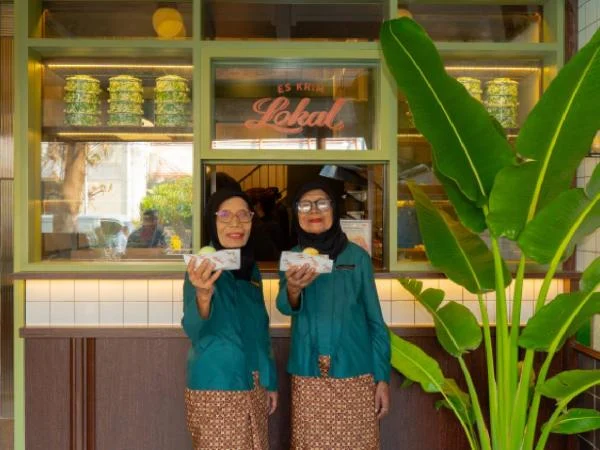
Three years after making its debut in the bustling Blok M district of South Jakarta, Uma Oma Cafe has officially unveiled a revitalized interior and updated facility, marking a significant milestone in its journey as a unique social enterprise. Known primarily for its pioneering business model that employs senior citizens—fondly referred to as "Oma"—as its primary service staff, the cafe has successfully navigated the competitive Jakarta dining scene while maintaining a distinct emotional connection with its patrons. This renovation, completed in November 2026, represents more than just a structural facelift; it serves as a testament to the sustainability of an inclusive labor model in the modern hospitality sector.
A Concept Rooted in Warmth and Community
The core identity of Uma Oma Cafe has always been its deliberate effort to evoke the atmosphere of a grandmother’s home. By staffing the establishment with elderly employees, the management has effectively bridged the gap between traditional service and genuine hospitality. The "Oma" staff members are not merely servers; they are the heart of the establishment, offering a level of warmth and personal interaction that is increasingly rare in the fast-paced, tech-driven service environments common in major metropolitan areas like Jakarta.
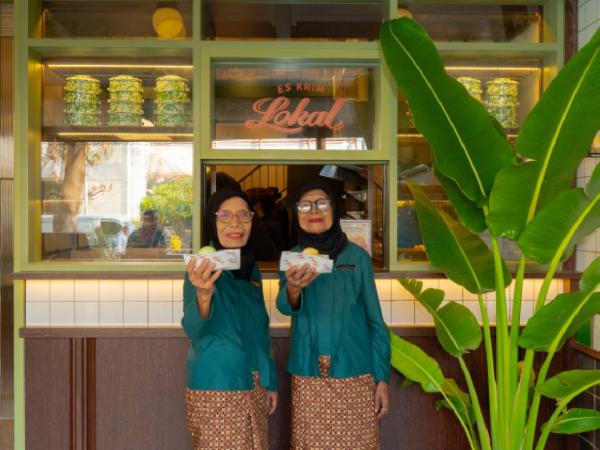
When the cafe first opened, the inclusion of senior workers was viewed by many market analysts as a bold social experiment. As Indonesia grapples with an aging population and the associated challenges of elderly labor force participation, Uma Oma Cafe has emerged as a practical case study for how businesses can integrate older generations into the workforce, providing them with both financial independence and a sense of purpose.
Chronology of Evolution: From Startup to Local Icon
The trajectory of Uma Oma Cafe has been closely intertwined with the resurgence of the Blok M area. Over the past three years, Blok M has undergone a significant transformation, evolving from a traditional transit hub into a vibrant cultural and lifestyle destination.
- 2023: The inception phase. Uma Oma Cafe launches with a core team of four to five senior staff members. The cafe captures public imagination almost immediately, trending on social media for its unique concept and the genuine kindness of its staff.
- 2024: Consolidation and brand building. The cafe establishes its presence, proving that the novelty of the concept could translate into long-term operational success. It becomes a favorite for those seeking comfort food and a nostalgic environment.
- 2025: Market adaptation. As Jakarta’s culinary scene continues to modernize, the cafe begins planning for its expansion and facility upgrade to accommodate higher traffic without compromising the "homey" aesthetic.
- November 2026: The official unveiling. Following a period of renovation, the cafe reopens with updated infrastructure. A key highlight of this expansion is the growth of its staff, which now includes eight senior employees, doubling the original workforce.
The Economics of Senior Employment
The decision to expand the senior workforce from four to eight individuals carries significant weight in the context of the Indonesian labor market. According to recent data from Statistics Indonesia (BPS), labor force participation among the elderly remains a critical area for policy development. While many seniors in urban settings face social isolation or financial instability, initiatives like Uma Oma Cafe provide a structured, supportive environment that accommodates the physical needs of older workers while valuing their life experience.

From an operational standpoint, the management team, led by founder Junadi Salat, has emphasized that the integration of seniors is not a charitable act but a business strategy built on service quality. The seniors bring a level of patience, mentorship, and hospitality that has proven to be a competitive advantage in a market saturated with automated or purely transactional service models.
Leadership Vision and Strategic Growth
Junadi Salat, the visionary behind the Uma Oma Group, noted that the renovation was a necessary step to align with the evolving landscape of Blok M. "For us, Uma Oma Cafe is not just a place to enjoy a meal; it is a space for building connections and creating memories," Salat stated in a press release on November 4, 2026. "Over these three years, we have grown alongside Blok M, and we have observed how this district has developed rapidly into a center of gravity for Jakarta’s youth and families alike."
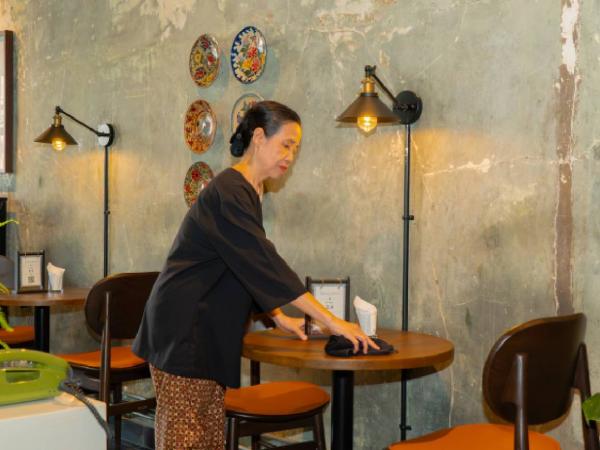
The strategy behind the renovation was to preserve the "emotional architecture" of the cafe—the specific design choices, lighting, and layout that make visitors feel at home—while upgrading the kitchen and customer service technology to handle higher volumes of patronage. By maintaining the intimate environment while increasing operational capacity, the group aims to ensure the longevity of the brand.

The Broader Impact on the Hospitality Industry
The success of Uma Oma Cafe offers several key takeaways for the hospitality industry, particularly regarding social responsibility and human resources.
- Differentiated Customer Experience: In an era where many businesses are moving toward self-ordering kiosks and contactless service, Uma Oma Cafe has doubled down on human interaction. This "high-touch" service model has become a primary driver of customer loyalty.
- Multigenerational Engagement: The cafe serves as a bridge between generations. It provides a workplace for seniors and a destination for younger generations, including Gen Z and Millennials who frequent the Blok M area. This intergenerational exchange is a rare feature in modern dining.
- Sustainability of the Business Model: By successfully scaling the number of senior staff, the cafe has demonstrated that age-inclusive hiring can be scaled effectively. This provides a blueprint for other SMEs (Small and Medium Enterprises) that may wish to implement similar social impact programs.
Addressing the Future of Urban Dining
As Jakarta continues to modernize, the challenge for establishments like Uma Oma Cafe is to remain relevant without losing the character that defined them. The renovation reflects an understanding that while infrastructure must be modern, the "soul" of the service must remain consistent.
The increased staff count of eight employees is expected to reduce the strain on individual workers, allowing for more flexible scheduling and ensuring that the high standard of service—which often includes personal greetings and attentive care—is maintained even during peak hours. Furthermore, the updated facility is better equipped to host events and community gatherings, potentially expanding the cafe’s role from a simple eatery to a neighborhood hub.
Challenges and Outlook
Despite the success, the model is not without its challenges. Managing a workforce of senior citizens requires specific considerations, including ergonomic workspace design, healthcare support, and specialized training that respects their life experience while teaching modern service protocols. The management of Uma Oma Cafe has invested in these areas to ensure that the work environment is both safe and empowering.
Looking ahead, the success of this model in Blok M raises the question of scalability. Can the "Uma Oma" concept be replicated in other parts of Jakarta or even other cities? Industry observers suggest that the success of the brand is highly dependent on the "human element" and the specific culture cultivated by the founders. Expanding too quickly could dilute the very qualities that made the cafe a success. However, the current strategy of steady, organic growth appears to be working in their favor.
Conclusion
The evolution of Uma Oma Cafe stands as a beacon for what is possible when businesses prioritize human-centric values alongside commercial growth. By honoring the elderly through meaningful employment and providing the community with a space that prioritizes warmth over efficiency, the cafe has solidified its place in the heart of Jakarta. As Blok M continues to grow, Uma Oma Cafe remains a vital part of the district’s social fabric, proving that a cup of coffee served with care is a timeless commodity that never goes out of style. Through its recent expansion and renovation, the cafe has not only secured its physical space in the district but has also reinforced its commitment to a future where seniors remain active, valued, and essential members of society.