The evolution of telecommunications is undergoing a profound transformation as mobile network operators transition from legacy infrastructures to pure next-generation architectures. Among the most critical advancements in this domain is 5G Standalone, commonly referred to as 5G SA. Unlike its predecessor, 5G Non-Standalone (5G NSA)—which relies heavily on existing 4G LTE core networks to anchor its connections—5G SA operates entirely independently. By leveraging a dedicated 5G Core and 5G New Radio (NR) technology, 5G SA unlocks the true potential of fifth-generation mobile networks, paving the way for advanced industrial applications, ultra-low latency communication, and enhanced network customization.
To fully grasp the significance of 5G SA, it is essential to distinguish between network generations and network architectures. Standalone is not a new iteration of cellular technology, such as 5.1G or 5.5G. Rather, it is a structural configuration deployed by telecom operators to deliver the fifth-generation standard in its most complete and uncompromised form. While early 5G rollouts prioritized broad coverage by piggybacking on mature 4G infrastructure through NSA configurations, the long-term vision for 5G has always centered on the independent operation made possible by the 5G Core.
Mechanics of 5G Standalone: How It Operates
The operational framework of 5G SA eliminates the reliance on older network layers. When a compatible smartphone connects to a 5G SA network, the radio link is established via 5G New Radio, and the entire session is managed directly by the 5G Core. This specialized core handles crucial functions, including device authentication, session management, mobility tracking, and data traffic routing, entirely bypassing the 4G Evolved Packet Core.
For the end user, the transition between 5G SA and NSA is largely seamless, as smartphones automatically negotiate the best available architecture based on operator configuration and signal availability. However, accessing 5G SA requires more than just a 5G-enabled device. The smartphone must house a modern modem capable of supporting SA protocols, operate on the specific frequency bands deployed by the local operator, and feature the necessary software updates from the manufacturer. Consequently, possessing a 5G phone does not automatically guarantee access to a standalone network unless the device hardware, software stack, and local carrier infrastructure are fully synchronized.
Advanced Capabilities and Technological Advantages
The deployment of a dedicated 5G Core introduces several powerful capabilities that transform how data is processed, managed, and delivered. One of the most transformative features of 5G SA is Network Slicing. This technology enables operators to partition a single physical network infrastructure into multiple virtual networks, each customized to meet specific performance requirements. For instance, an operator can carve out a high-bandwidth slice for high-definition video broadcasting alongside a separate, ultra-low-latency slice dedicated to mission-critical automation.

Furthermore, 5G SA facilitates the integration of Multi-access Edge Computing (MEC). By bringing data processing closer to the network edge, MEC significantly reduces round-trip times, dropping latency to levels previously unattainable on 4G-reliant architectures. This capability is vital for real-time applications such as industrial automation, autonomous vehicle guidance, and remote robotic surgery.
In addition to data enhancements, 5G SA introduces Voice over New Radio (VoNR), which enables high-definition voice and video calls to be transmitted natively over the 5G network. This stands in contrast to 5G NSA, which typically falls back to 4G LTE for voice calls via Voice over LTE (VoLTE). Finally, the architecture provides robust support for massive Machine-Type Communications (mMTC), serving vast ecosystems of Internet of Things (IoT) sensors and smart city infrastructure with high reliability and energy efficiency.
Chronology and Implementation Timeline in Indonesia
The commercial and industrial deployment of 5G SA in Southeast Asia, particularly in Indonesia, represents a strategic milestone for national digital transformation. The trajectory of this rollout highlights a gradual shift from consumer-facing trials to targeted enterprise and industrial applications.
The foundational groundwork for 5G in Indonesia began with initial spectrum auctions and NSA deployments by major telecommunications providers. However, the definitive shift toward 5G SA gained official momentum in August 2024. Aligning with the commemoration of the 79th Independence Day of the Republic of Indonesia, major telecommunications provider Telkomsel officially launched early implementations of 5G SA across three strategic regions: the Nusantara Capital City (IKN) project in East Kalimantan, the island of Bali, and North Maluku.
This rollout was executed in strategic collaboration with global infrastructure vendors, including Ericsson, Huawei, and ZTE. Each deployment region was selected to showcase specific industrial use cases tailored to regional economic and developmental priorities:
- Nusantara Capital City (IKN): The new administrative capital served as a primary showcase for smart city initiatives. 5G SA was utilized to power 5G live broadcasts, connect the IKN Smart City Command Center, facilitate the use of augmented reality Smart Glasses, and support high-bandwidth media transmission during national independence ceremonies.
- Bali: Implementation centered on maritime logistics and tourism modernization, specifically at Benoa Port. Here, 5G SA powers artificial intelligence-driven video analytics to monitor harbor activities in real time, enhancing operational efficiency and security.
- North Maluku: The technology was deployed to support heavy industry sectors, specifically empowering workers in Halmahera with 5G Smart Helmets. These connected devices allow industrial workers to transmit real-time video feeds to centralized command posts, maintain constant voice communication, and receive immediate safety alerts in hazardous environments.
Industry Implications and Future Outlook
The broader implications of 5G SA extend far beyond faster download speeds for mobile web browsing. From an economic and industrial perspective, the architecture serves as the digital backbone for Industry 4.0, enabling enterprises to transition toward fully automated, data-driven ecosystems. The deterministic performance parameters offered by 5G SA—such as guaranteed bandwidth, predictable latency, and high connection density—provide enterprises with the reliability traditionally associated with wired local area networks, but with the flexibility of wireless mobility.
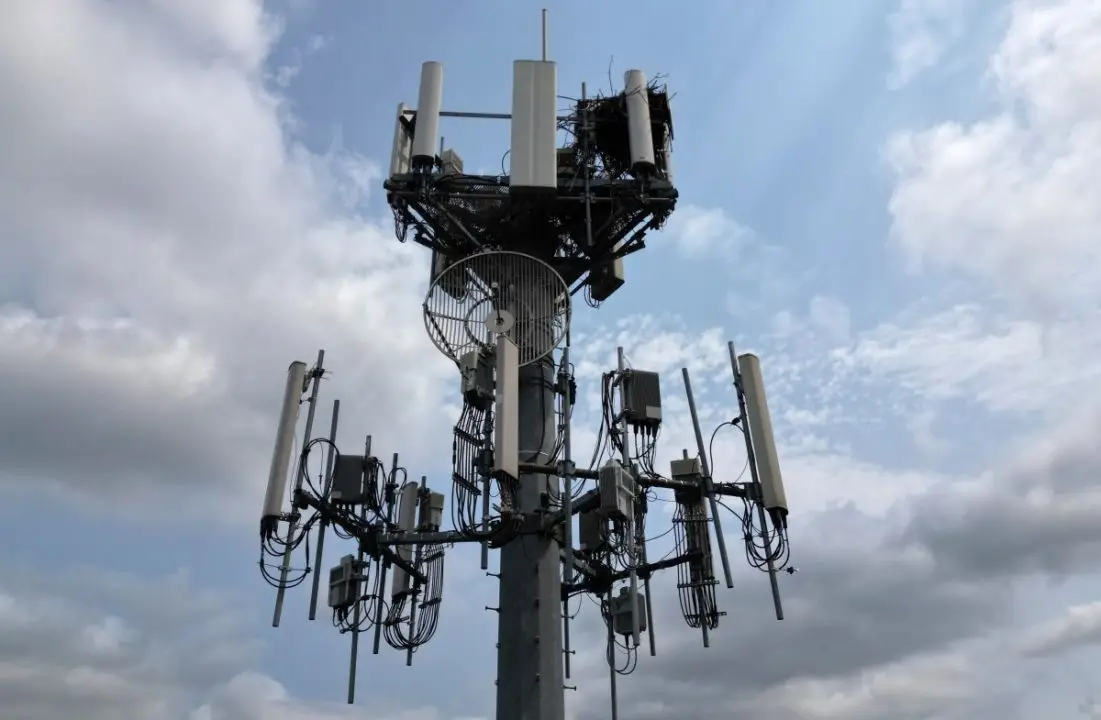
Despite these advantages, widespread consumer adoption of 5G SA faces practical hurdles. Telecommunications analysts note that transitioning an entire national network to a standalone core requires substantial capital expenditure by operators, involving comprehensive upgrades to radio access networks and core data centers. Consequently, operators are likely to maintain hybrid NSA and SA environments for an extended transitional period, deploying standalone architecture selectively in high-density urban centers and targeted industrial zones where demand for advanced capabilities justifies the investment.
In conclusion, 5G Standalone represents the ultimate technological realization of the fifth-generation mobile standard. By severing ties with legacy 4G core infrastructure, 5G SA unleashes the full suite of native 5G capabilities, including network slicing, edge computing integration, and ultra-reliable low-latency communication. As early implementations in Indonesia demonstrate, the technology is rapidly evolving from a theoretical networking standard into a practical catalyst for smart cities, industrial automation, and next-generation enterprise connectivity.